Sucre Bolivia: Best Attractions, Cafés and Cultural Experiences
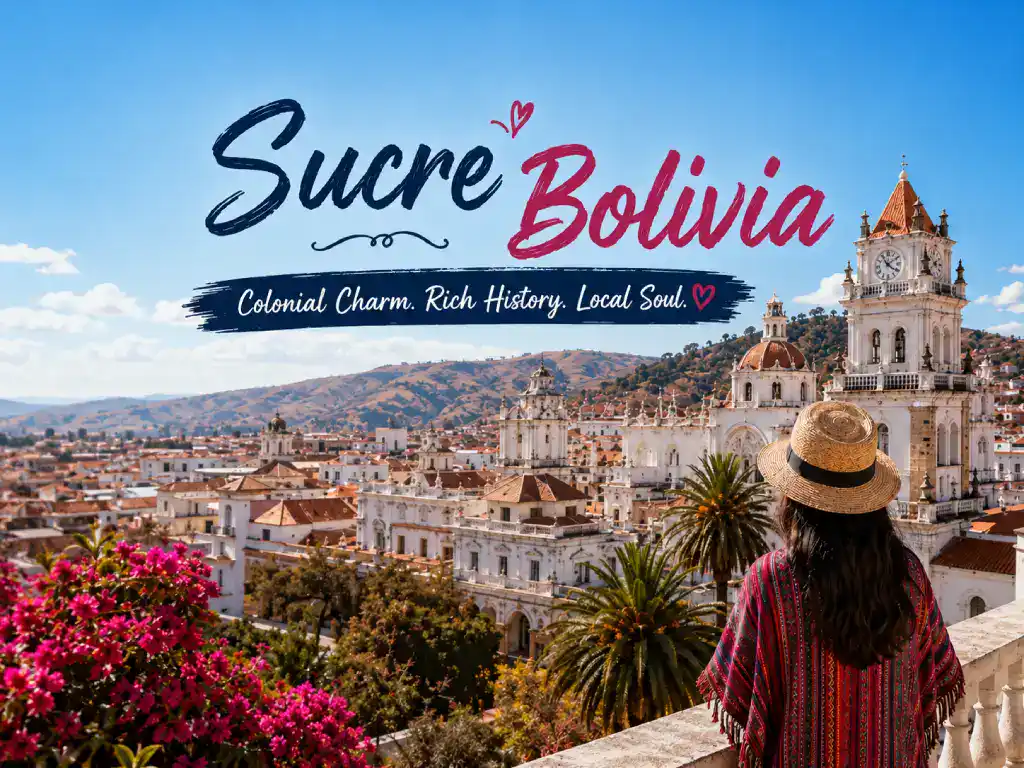
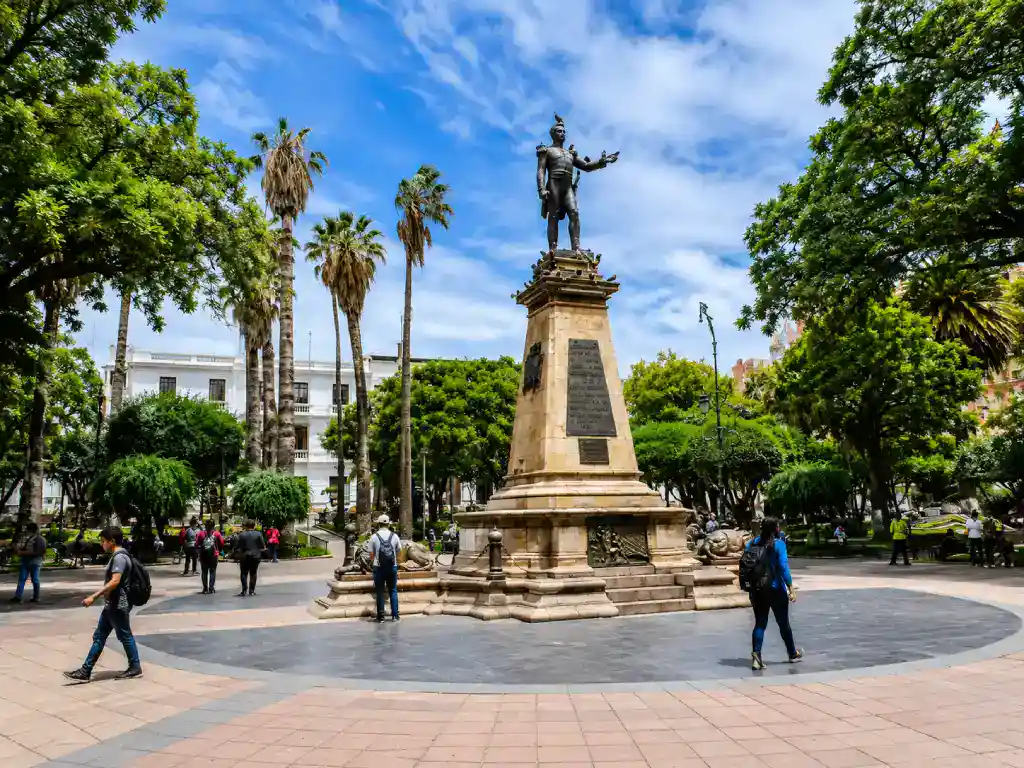
The hotel room barely got a look in once I arrived in Sucre Bolivia. I dropped my bag, went back outside and started walking without paying much attention to direction. A florist was arranging flowers, the newspaper boy nearby stacked newspapers and another turning looked worth taking. Somehow Plaza 25 de Mayo found me before I found it.
At first, I’d expected Sucre to be somewhere I’d pass through. Many travellers pair Sucre with nearby Potosí, but the two cities leave very different impressions. It didn’t take long before I realised it was becoming one of my favourite places to visit in Bolivia. By the end of the visit, I wasn’t especially interested in leaving. It wasn’t because there was always another famous attraction waiting around the corner. The city simply made it easy to slow down. I’d leave the hotel intending to visit one place, only to spend the next hour watching ordinary life unfold before remembering where I was supposed to be going. Those small detours quickly became part of every day. That seems to happen to a lot of travellers following the usual backpacking route through Bolivia.
Why Visit Sucre Bolivia?
The map stayed in my pocket most of the time. I’d set off towards one place, notice another street that looked quieter and wander off without thinking twice. I realised I was finding my way around without trying very hard. It also felt like one of the easiest cities in Bolivia to explore on foot during the day. Streets that had looked unfamiliar on the first afternoon now seemed to join together naturally.
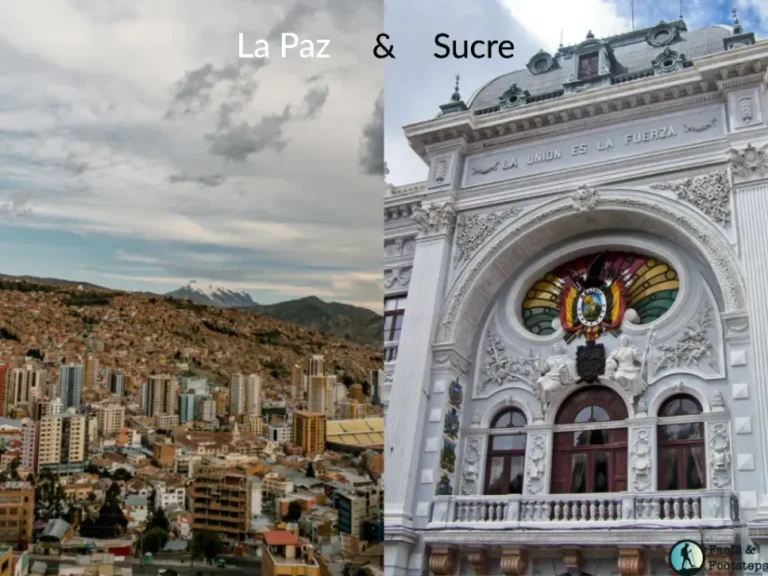
As I paused near the square, a guide told another visitor that Sucre is Bolivia’s constitutional capital, something many travellers find surprising because Bolivia actually has two capitals. Even a few basic Spanish phrases made those conversations feel much easier to follow. I’d read the same thing before leaving home, although it stayed with me more after hearing it there. A few minutes later I was watching a butcher chat with a regular customer while grandma watered plants outside the next doorway. Somehow those everyday moments stayed with me more than the facts I’d learned beforehand.
Best Things to Do in Sucre Bolivia
It took me a while to realise how often I was crossing the same square.
Not because I kept getting lost, but because so many streets seemed to meet there. Some afternoons I barely slowed down. Other days I waited while traffic passed, glanced at the noticeboards or watched shopkeepers opening their doors before carrying on. After a while the route became automatic.
A free bench usually seemed like a good enough excuse to stop for a few minutes. I’d sit there until I felt ready to move again, then head off without giving it much thought. Before long it had become part of the day.
Wander Around Plaza 25 de Mayo
I had enough time for a short wait before the museum opened. The newspaper seller was deep in conversation with someone he clearly knew, a teenage boy and his father passed by with a birthday cake and two elderly men seemed determined to settle an argument about the buses. I stayed where I was until the first visitors began going inside.
Visit Casa de la Libertad Sucre Bolivia
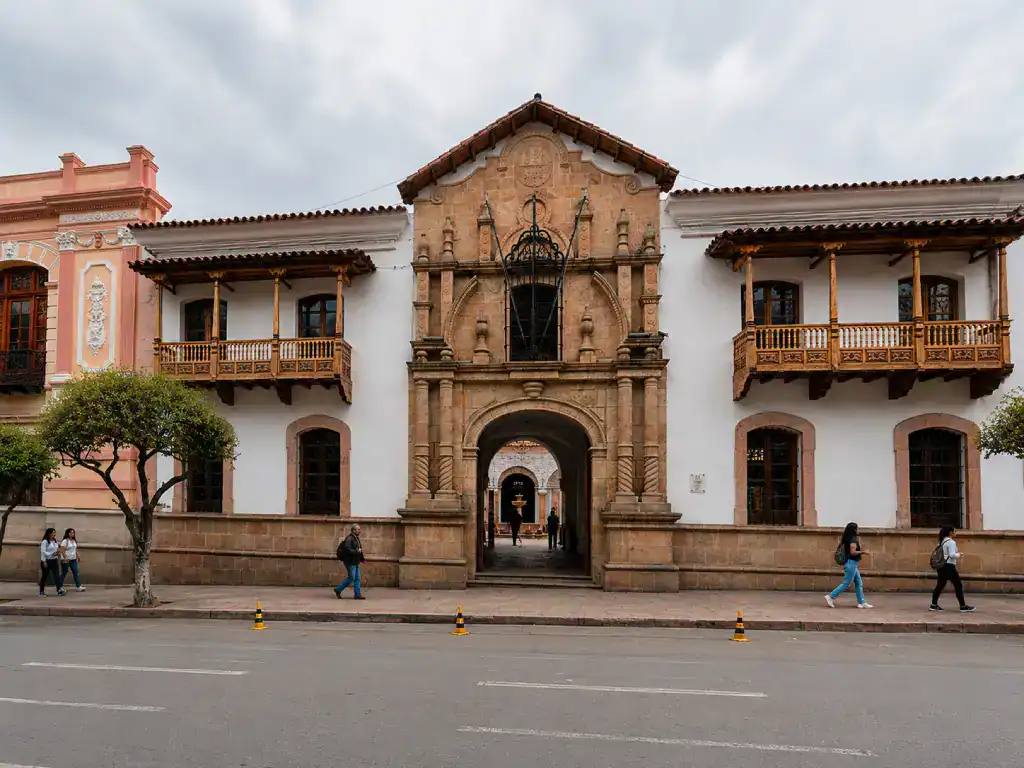
The tour slowed down every few rooms. Experiences like this showed me that some guided visits add far more context than exploring alone. Someone would ask a question; the guide would tell another story, and we’d all end up standing there longer than expected. I was still thinking about one of the stories as I stepped back outside. Around the square, lunchtime had taken over and the cafés were filling a little more with each passing minute.
Walk the White Streets of the Historic Centre
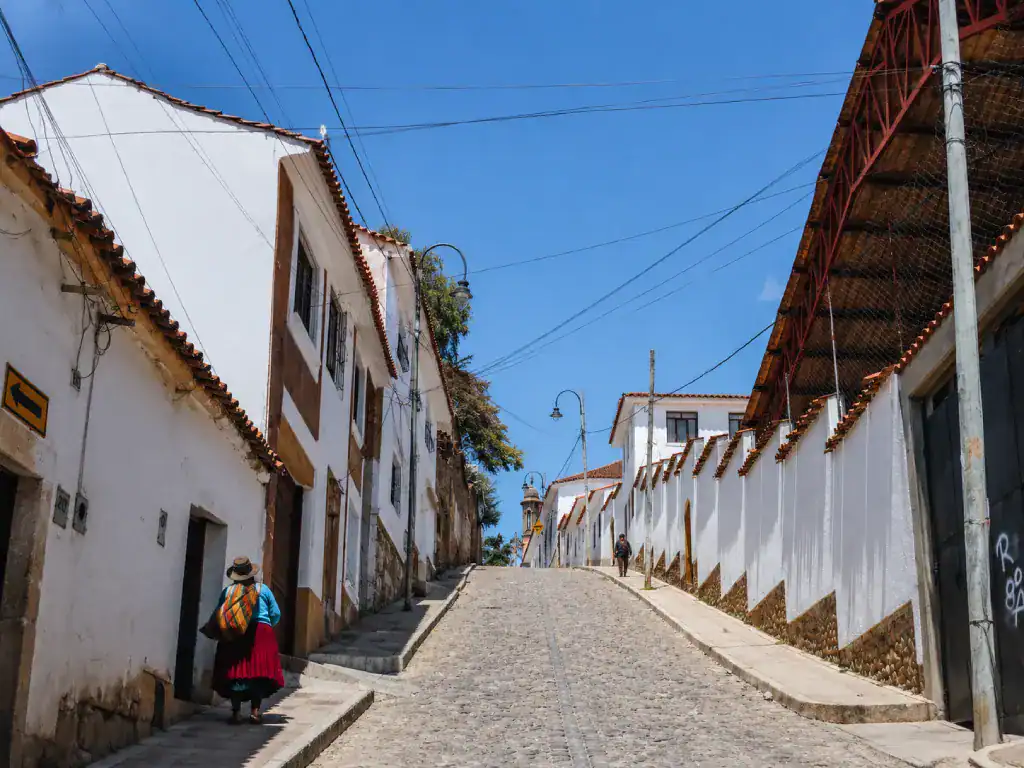
A bag of oranges split open right in front of me. Within seconds half a dozen people had crouched down to help gather them before quietly disappearing back into their own afternoons. I headed off until a little stationery shop caught my eye, then stood nearby while someone patiently painted an old wooden door. The afternoon seemed happy to keep interrupting itself.
Visit Recoleta and the Viewpoint
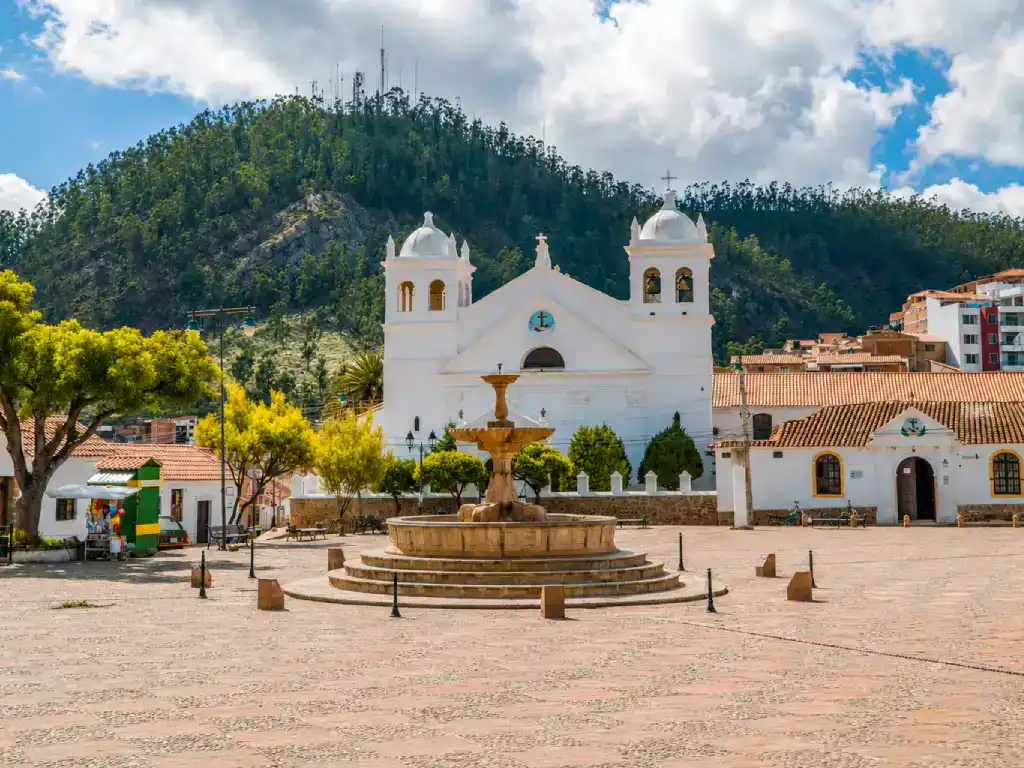
I reached the top and almost sat down straight away. A group nearby were sharing ice creams, a man sat reading on a bench and another couple unfolded a paper map they clearly didn’t need anymore. The rooftops of Sucre stretched away beyond them, but I spent as much time watching the square as I did the skyline. Eventually I wandered back through streets that felt surprisingly familiar.
Browse Mercado Central
For a while I stood beside one of the aisles without moving. People drifted past carrying shopping bags, stallholders called out to familiar customers and a woman carefully wrapped fresh herbs in newspaper. Before long I moved on, bought the bottle of water I’d come for and stepped back outside.
When I walked back outside, the market was carrying on exactly as before. Someone was choosing bread for dinner, another customer paused to talk with a stallholder and a few tourists wandered through without drawing much attention. I stood there for a moment, then headed off while the afternoon carried on behind me.
Visit the ASUR Textile Museum
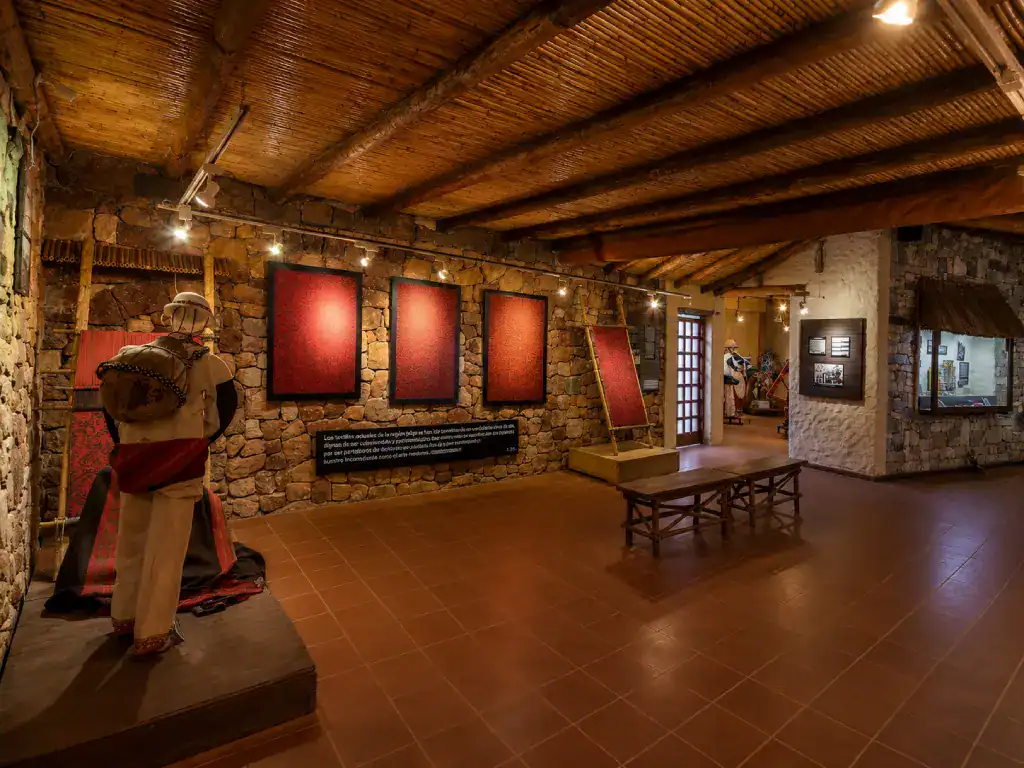
I almost walked through the ASUR Textile Museum more quickly than I should have. Then one woven pattern caught my eye, followed by another with completely different colours and symbols. The displays explained how weaving traditions have been passed between generations in communities across Bolivia, and I found myself lingering much longer than I’d planned. When I walked back outside, someone pushed a cart piled with fruit towards the market while the nearby cafés filled with afternoon customers. The city carried on exactly as before, although I looked at the colourful fabrics being sold in shop windows a little differently afterwards.
Once I’d seen how much meaning could be woven into each design, I started spotting similar patterns elsewhere around the city. It made the museum feel connected to the streets outside rather than like a completely separate experience.
Enjoy Sucre’s Cafés and Local Food
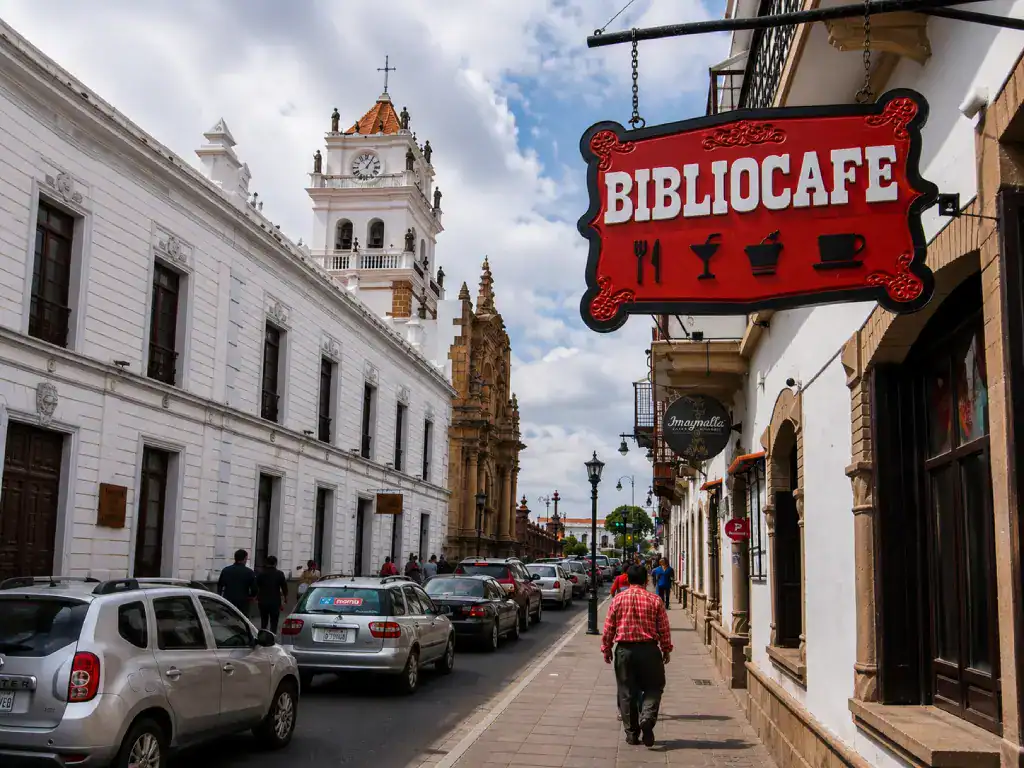
One café seemed to find me every afternoon. I’d stop after a long walk, order coffee and whatever pastry happened to be behind the glass that day, then sit by the window watching people cross the square outside. Some tables emptied while others filled with students finishing classes or friends meeting after work. It wasn’t difficult to understand why some people end up staying in Sucre much longer than they originally planned. Later on, I usually picked a small restaurant nearby, where salteñas, mondongo and sopa de maní appeared on the menu alongside other Bolivian favourites. By the time I stepped outside again, the streets had settled into another easy evening walk.
Watch the City Slow Down in the Evening
The evening changed without me really noticing when it happened. A restaurant kitchen grew quieter, voices from a nearby balcony drifted away and the music coming from an open doorway stopped as the shopkeeper pulled the door shut. I paused for a few seconds, then kept going before the silence settled any further.
Helpful Things to Know Before Visiting Sucre
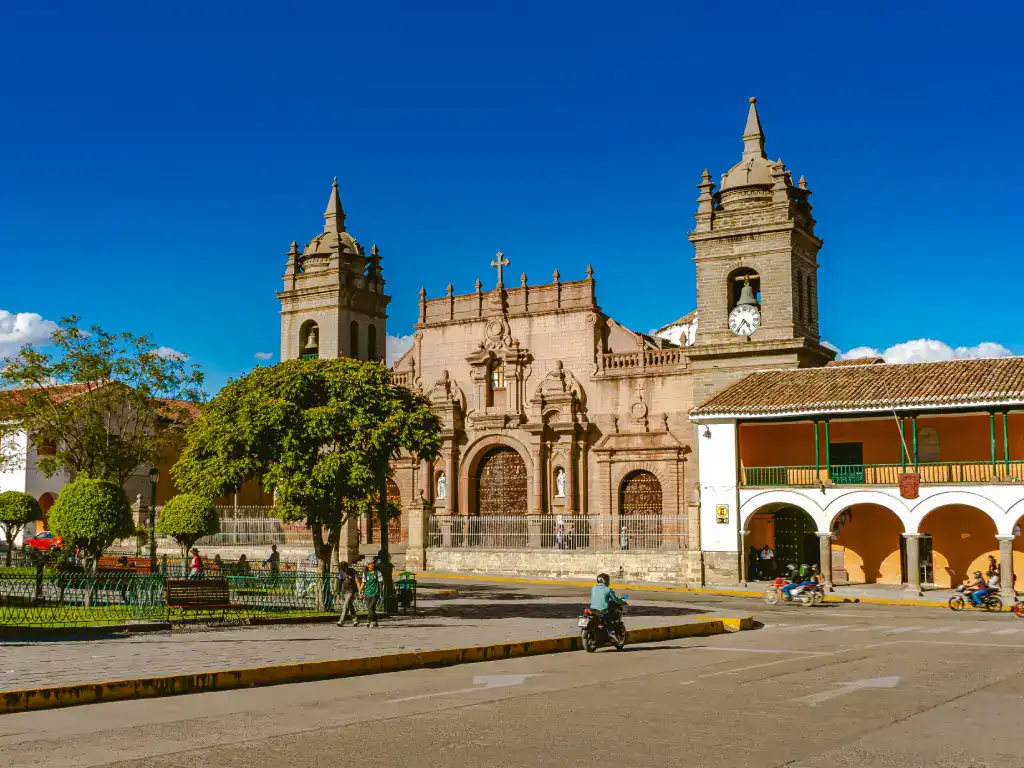
The practical side of travelling in Sucre turned into habit surprisingly quickly. I stopped checking directions, carried enough cash for the smaller places and laced up the same shoes every morning without giving it much thought. At about 2,800 metres, the Sucre Bolivia altitude encouraged an easier pace during my first day, but that feeling soon passed. The Sucre Bolivia weather rarely caused any surprises either, apart from evenings when the temperature dropped just enough to make a light jumper worthwhile.
Most days settled into the same easy routine. I’d head out after breakfast, spend several hours exploring on foot, stop somewhere for lunch or coffee and keep walking until the afternoon quietly drifted into evening. Sucre never felt like somewhere that demanded careful planning.
Why Sucre Stays with You
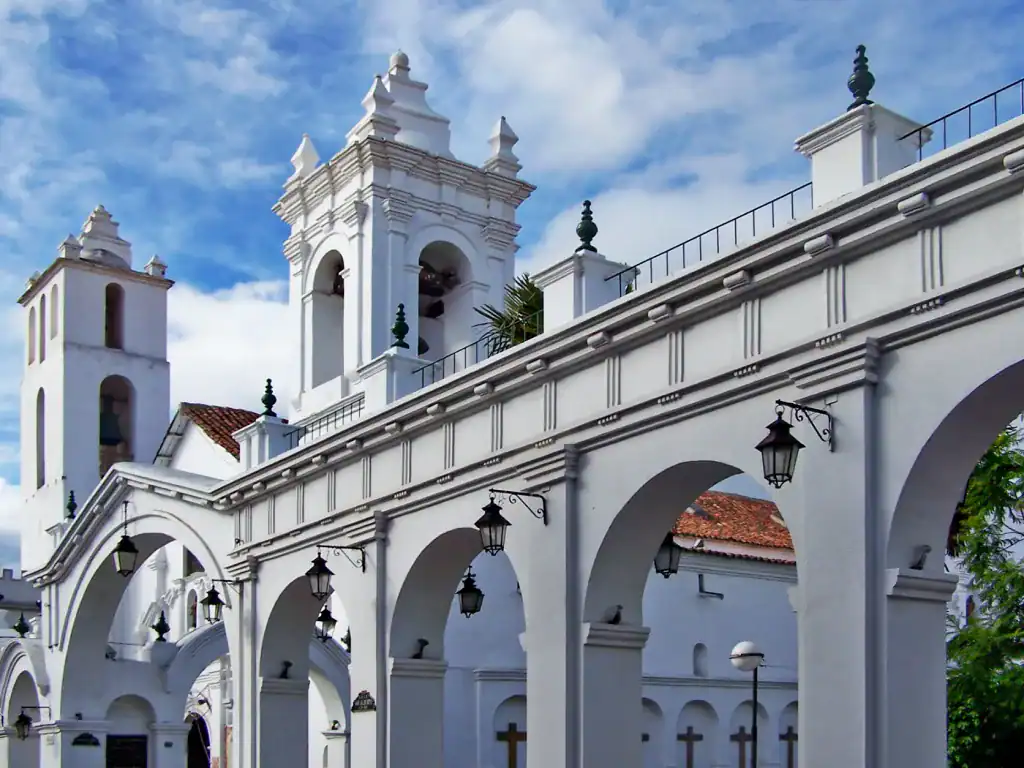
The landmarks were easy enough to find. The time between them turned out to be much harder to plan. One stop lasted longer than expected, another walk took me somewhere I’d already been and an afternoon disappeared without anything particularly important happening. A few days in Sucre gave those moments enough room to happen naturally instead of feeling like I was constantly moving on.
I arrived expecting a beautiful colonial city and left remembering something slightly different. I remembered familiar cafés, evening walks through streets I’d stopped checking on a map and afternoons that quietly disappeared between museums, markets and plazas. Those ordinary moments turned out to be the reason I’d happily return.
Happy Travels!