Drones in Salar de Uyuni: Rules, Tours and Flying Conditions
Researching drones in Salar de Uyuni made the trip seem fairly predictable.
Then the trip started. Conditions changed, schedules shifted, and some of the most memorable parts of the experience had very little to do with flying at all.
Most of the information I found before travelling focused on what the rules said. Much less was written about what actually happens once travellers arrive and try to fly.
Bringing Drones into Bolivia
The journey to Bolivia often creates more questions than Bolivia itself.
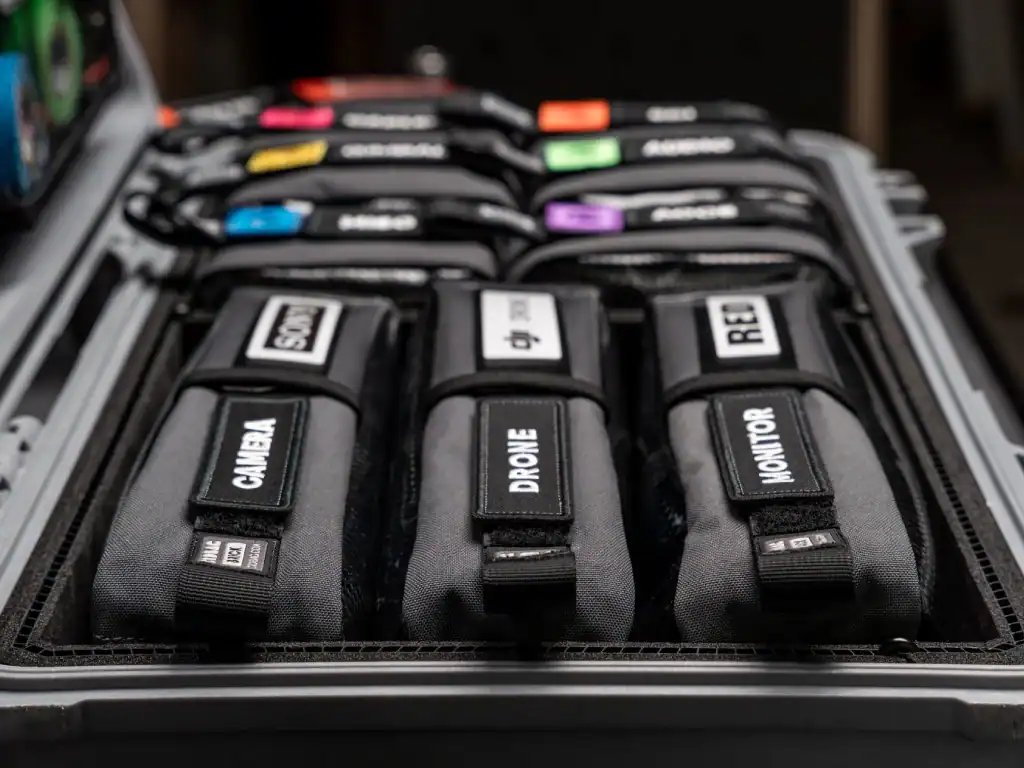
Most airlines are accustomed to seeing drones in travellers’ bags, so carrying one is not particularly unusual. Batteries are where things become slightly more specific. Rules vary from one carrier to another, which makes checking requirements before flying a sensible precaution rather than an afterthought.
Airline Rules Matter More Than Bolivia
Many people focus heavily on Bolivian regulations before travelling. In practice, airline battery restrictions are often the first hurdle.
The drone itself is rarely the problem. Batteries usually receive far more attention during airport security checks, especially on international flights.
Customs Is Usually Uneventful
Most travellers bringing consumer drones into Bolivia do not encounter major customs issues. For many travellers, the bigger questions actually come before they arrive, particularly if they are moving between countries overland.
That does not mean questions are impossible, but drones are hardly unusual travel equipment these days. Cameras, action cameras, and drones are common enough that many visitors arrive carrying them. That is especially true among longer-term travellers who work remotely while moving between destinations.
What Are the Drone Rules in Bolivia?
Unlike airline battery rules, which are usually explained quite clearly, Bolivia’s drone regulations can feel a little less transparent when researching a trip.
That does not necessarily make them restrictive. It simply means travellers sometimes have to piece information together from several sources. Regardless of the details, sensitive areas such as airports, military sites, and government buildings are generally best left off any flying plans.
Most people researching drones in Salar de Uyuni start with Bolivia’s drone rules, although the experience on the salt flats often feels quite different from flying in cities.
Flying Drones in Salar de Uyuni Is Very Different
I think the biggest surprise was how open everything felt.
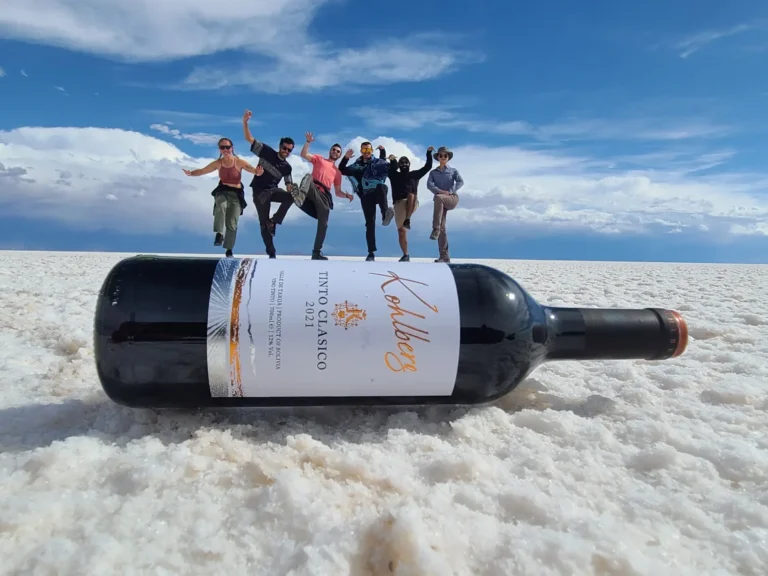
I had spent so much time thinking about regulations and restrictions that I almost forgot how enormous the salt flats actually are. Once out there, the amount of space becomes difficult to ignore, particularly compared to cities where something always seems to be nearby.
The open landscape also makes it easier to appreciate how different drone photography can feel compared to shooting from ground level.
Rules And Reality Are Not Always Identical
By the end of the trip, the things I remembered most were rarely the things I had researched beforehand.
Instead, it was the smaller moments in between that seemed to linger. A conversation, an unexpected change of plans, or a detail that barely registered at the time often ended up becoming part of the story afterwards. Even simple conversations can end up shaping the experience more than people expect once they arrive.
What Using Drones in Salar de Uyuni Is Actually Like
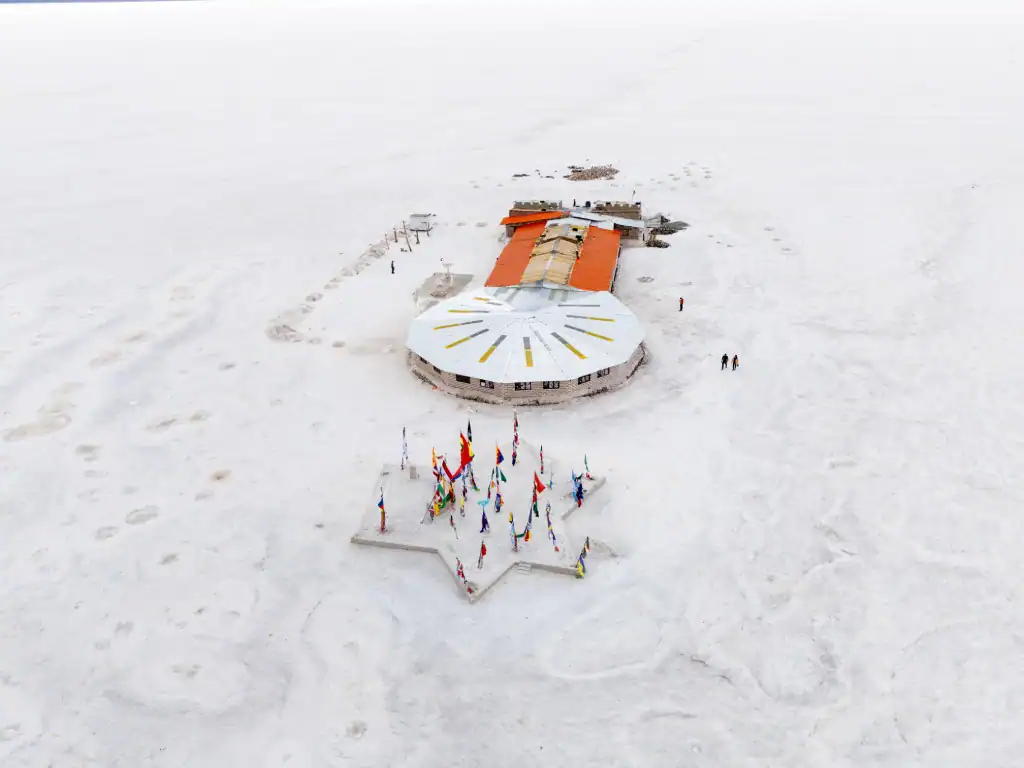
This was the part that surprised me most. I imagined perfectly calm conditions, unlimited space, and effortless drone footage. The reality was a little messier.
Salar de Uyuni is huge, but it is also exposed.
Wind Can Be the Biggest Challenge
One thing I noticed was how quickly the environment could change without much warning.
A location that felt calm and predictable in the morning sometimes felt very different later on. After a while, I found myself checking the conditions far more often than I ever checked anything related to regulations.
The Scale Is Difficult to Capture
I assumed the drone would solve the problem of scale.
Instead, it made me realise how difficult that scale is to communicate in the first place. The landscape seemed endless when standing in the middle of it, yet even aerial photographs struggled to recreate that same feeling afterwards.
Tour Companies and Drones in Salar de Uyuni
At first, I kept thinking about how much time I wanted at each stop.
As the trip went on, that became less important. The tour had its own pace, and some of my favourite moments happened when I stopped trying to plan every flight around an ideal schedule.
If you’re planning to use drones in Salar de Uyuni on a group tour, it’s worth remembering that the itinerary always comes first.
Not Every Guide Loves Drones
The guides I encountered were generally practical about the whole thing.
What seemed to matter most was whether the drone fitted naturally into the stop rather than disrupting it. When there was plenty of time, nobody seemed particularly concerned. When the schedule felt tighter, priorities understandably shifted elsewhere.
That balance became easier to recognise as the tour progressed.
Group Tours Require a Bit More Flexibility
Travelling independently gives people more freedom to stop whenever conditions look ideal.
Group tours work differently. Everyone follows the same schedule, which means drone opportunities often depend on where and when the group stops rather than personal preference. Sometimes that works perfectly. Sometimes it does not.
Challenges Travellers Do Not Always Expect
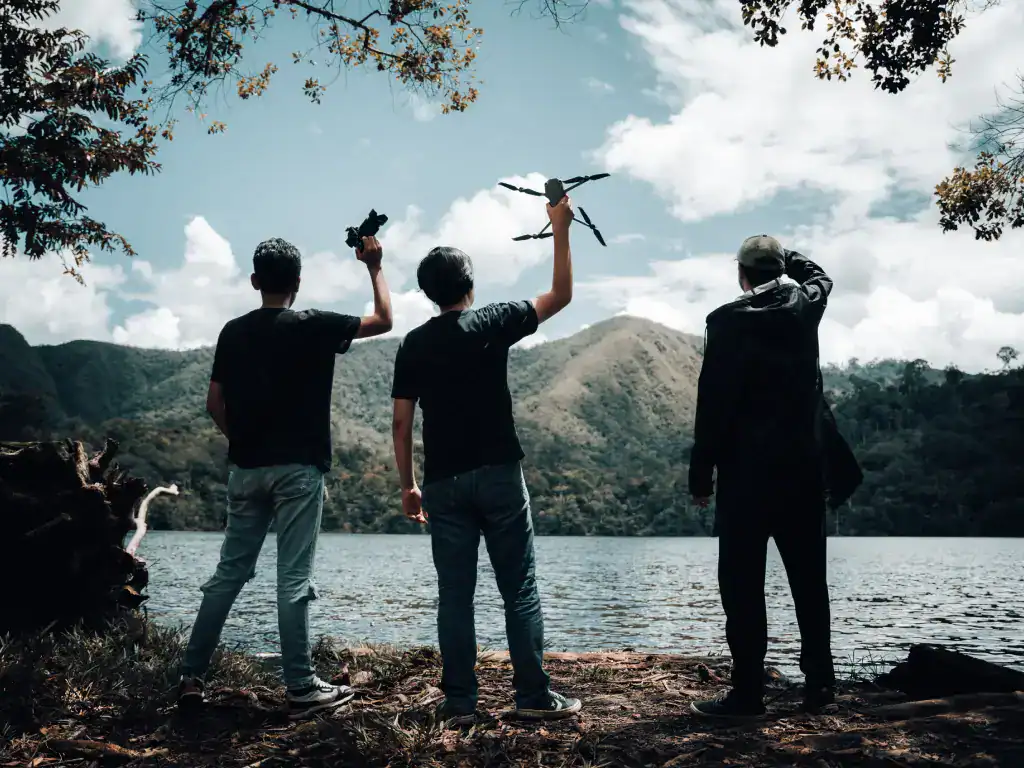
I expected to spend far more time thinking about regulations than I actually did.
Once the trip was underway, my attention drifted towards other things instead. Conditions, timing, and the practical realities of using a drone seemed to occupy far more space in my mind than any of the research I had done beforehand.
Conditions change throughout the day. Wind appears unexpectedly. Batteries drain faster than anticipated. Tour schedules move quicker than expected. The more time I spent at Salar de Uyuni, the less the experience felt like a checklist of places to fly.
Some moments seemed perfect on paper but never quite came together. Others appeared unexpectedly and ended up producing my favourite footage of the trip. Those were usually the moments I remembered most afterwards.
Dust Can Be a Problem
The salt flats themselves are not especially dusty during certain conditions, but surrounding areas can be.
Vehicles moving across dry terrain sometimes create fine dust that is not ideal for drone equipment. Keeping gear protected during transport helps more than many people initially realise.
Battery Performance Can Change
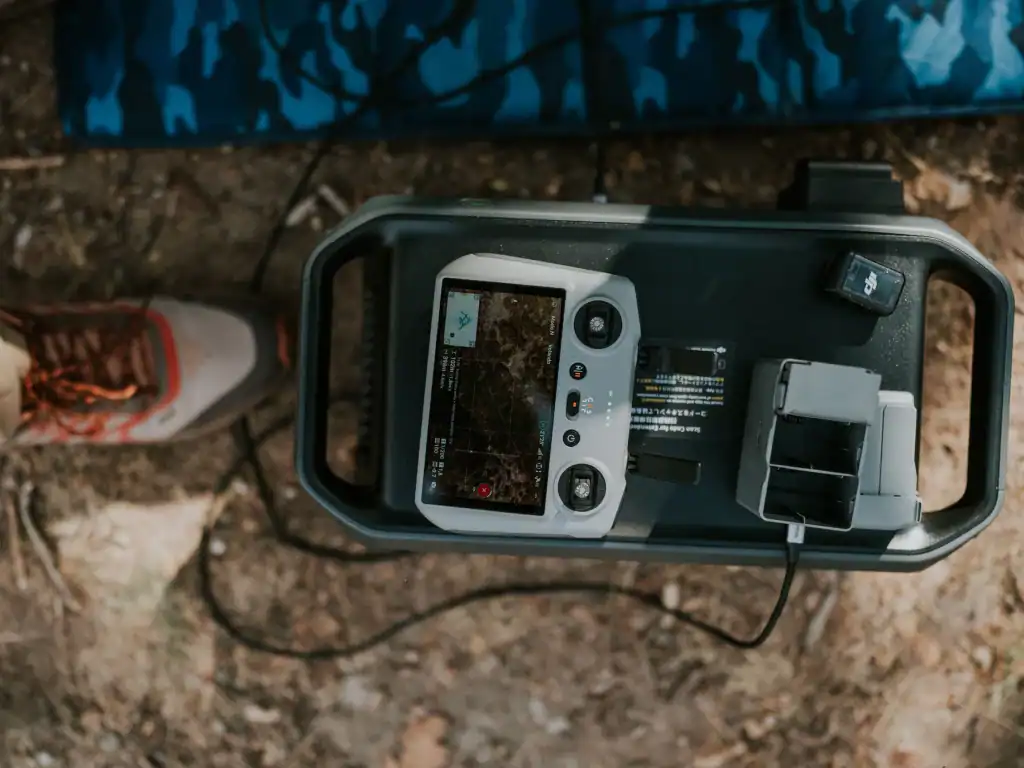
Most travellers notice the altitude fairly quickly after arriving in Bolivia.
The environment occasionally seemed to affect the equipment as well. Cooler temperatures and high elevations became part of the overall experience, especially during mornings when everything felt a little slower to get going.
Other Travellers Want Photos Too
What stood out to me was how differently people experienced the same landscape.
Some were focused entirely on photography. Others spent more time looking at the scenery than taking pictures. A few were flying drones, while many were simply standing quietly and taking everything in. The variety of experiences made the salt flats feel more interesting than I had expected.
Are Drones in Salar de Uyuni Worth Bringing?
I arrived expecting the drone to play a bigger role than it eventually did.
Not because it was disappointing, but because the landscape often became the focus instead. Some of the footage turned out exactly as I had hoped. Other moments stayed with me for reasons that had nothing to do with cameras or flying.
The Best Footage Usually Requires Patience
I assumed the drone would do most of the work. Instead, timing seemed to matter just as much.
Some locations looked impressive immediately. Others only came together after waiting for the light to change or the conditions to settle. The landscape rarely felt static, which meant the experience was constantly evolving throughout the day.
A Drone Is Not Essential
There were plenty of moments when the drone stayed in the bag.
That was not because the landscape became less interesting. If anything, the opposite was true. Some scenes felt impressive enough without worrying about cameras, settings, or flight time. The experience never seemed dependent on having a drone in the air.
Final Thoughts
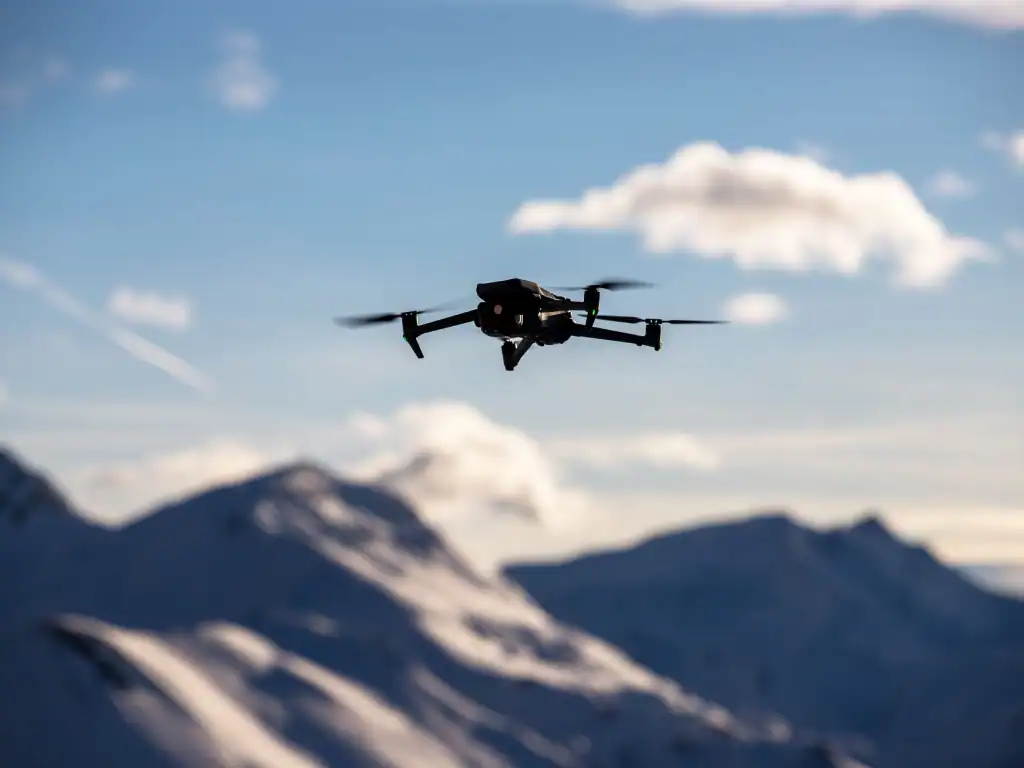
Looking back, bringing a drone to Salar de Uyuni felt worthwhile. Using drones in Salar de Uyuni turned out to be less about getting perfect footage and more about responding to whatever the landscape and conditions offered on the day.
The practical side of travelling with it turned out to be fairly manageable. What stayed with me afterwards was not the process of flying, but the landscape itself. The salt flats had a way of drawing attention away from equipment and back towards the experience unfolding around it.
That ended up being true of Bolivia more broadly as well. Some of the most memorable experiences had very little to do with cameras and everything to do with simply being there.
Happy Travels!