Bolivia Digital Nomad Guide: Is Bolivia Good for Remote Work?
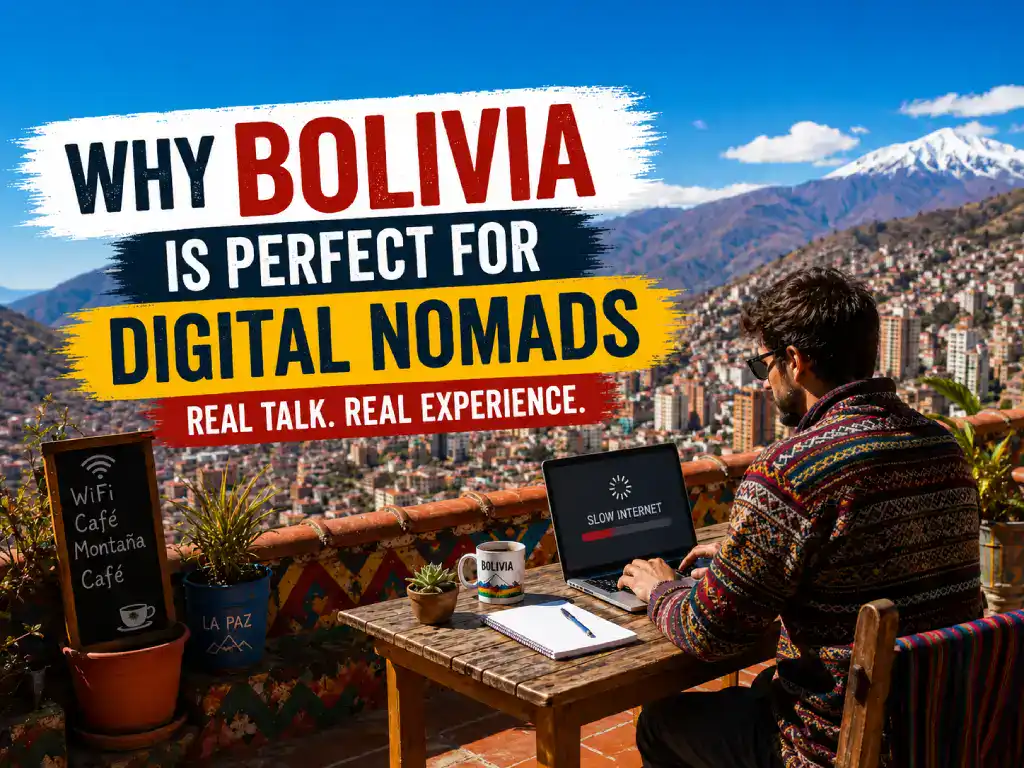
Whether Bolivia feels good for digital nomads depends a lot on someone’s expectations before arriving. Some remote workers enjoy the slower pace, lower costs, and less commercial atmosphere quite a bit. A lot of people also end up staying longer than planned once they start exploring Bolivia beyond the main backpacker route. Others struggle once unreliable internet, inconsistent infrastructure, and the lack of established digital nomad systems start affecting daily work routines.
That difference is usually what shapes people’s opinions of Bolivia as a digital nomad destination.
Bolivia Is Much Cheaper Than Many Digital Nomads Expect
Living costs in Bolivia still catch some remote workers off guard in a good way. Food, buses, accommodation, and everyday travel expenses are often noticeably lower than in nearby countries where digital nomad culture feels more developed.
That lower cost is one of Bolivia’s biggest advantages for slower travel.
Daily Costs Stay Relatively Low
For many travellers, Bolivia allows budgets to stretch much further than places with more established remote-work scenes. That affordability does have trade-offs though, especially once internet reliability, transport systems, or everyday convenience start becoming important.
Comfort Levels Change the Budget Quickly
Someone living simply in hostels or local apartments may spend far less than remote workers wanting premium apartments, private transport, imported food, or highly reliable workspaces.
Internet Quality Is the Biggest Limitation
This is usually the first thing digital nomads notice in Bolivia.
Most larger cities in Bolivia do have internet access that remote workers can use reasonably well day to day. The experience just feels less consistent than in more established digital nomad destinations. Some days everything runs smoothly. Other days, slower speeds or unstable calls start interrupting work unexpectedly.
Larger Cities Usually Work Better
In cities like La Paz, one of Bolivia’s two capitals, and Santa Cruz, remote work generally feels manageable enough for most people doing writing, marketing, admin, coding, or lighter online work.
Heavy upload work, constant Zoom calls, large media transfers, or highly technical remote jobs sometimes become more frustrating though.
Coworking Spaces Feel Limited
The remote-work setup in Bolivia feels less centered around coworking communities than in more established digital nomad destinations. A lot of travellers end up building routines around cafés, accommodation, and hostel internet simply because those options feel more common overall. Some cafés work perfectly well for laptop sessions. Others struggle once several people connect at the same time.
That inconsistency is part of daily remote work life in Bolivia.
La Paz And Santa Cruz Feel Completely Different
La Paz often feels much more physically demanding than travellers expect before arriving. The altitude affects energy levels quickly, while the colder climate, traffic, and crowded streets make the city feel fairly chaotic during the first days. Many backpackers still end up enjoying the mountain scenery and stronger traveller atmosphere though.
La Paz Feels More Intense
Some remote workers enjoy the energy of La Paz quite a lot.
Others struggle with productivity there initially because of the altitude, traffic, and physical exhaustion that sometimes appears during the first days.
Santa Cruz Feels Easier for Long Stays
Santa Cruz feels flatter, warmer, and more modern by comparison. Internet and infrastructure sometimes feel slightly more stable there too.
A lot of longer-term foreigners and business travellers base themselves around Santa Cruz rather than La Paz for that reason.
Altitude Affects Productivity More Than People Expect
Working online in La Paz often feels harder at first than many remote workers expect beforehand. Altitude can affect sleep, hydration, energy levels, and concentration fairly quickly, particularly during the first week after arrival.
Some Travellers Adjust Quickly
Some people adjust within days and continue working normally afterwards. Others continue feeling physically slower for much longer than expected.
Daily Routines Usually Change
That does not necessarily make Bolivia bad for remote work. It just changes the daily experience more than some travellers anticipate beforehand.
Many remote workers slow down schedules slightly during the adjustment period.
Bolivia Is Better for Slow Travel Than Fast Productivity
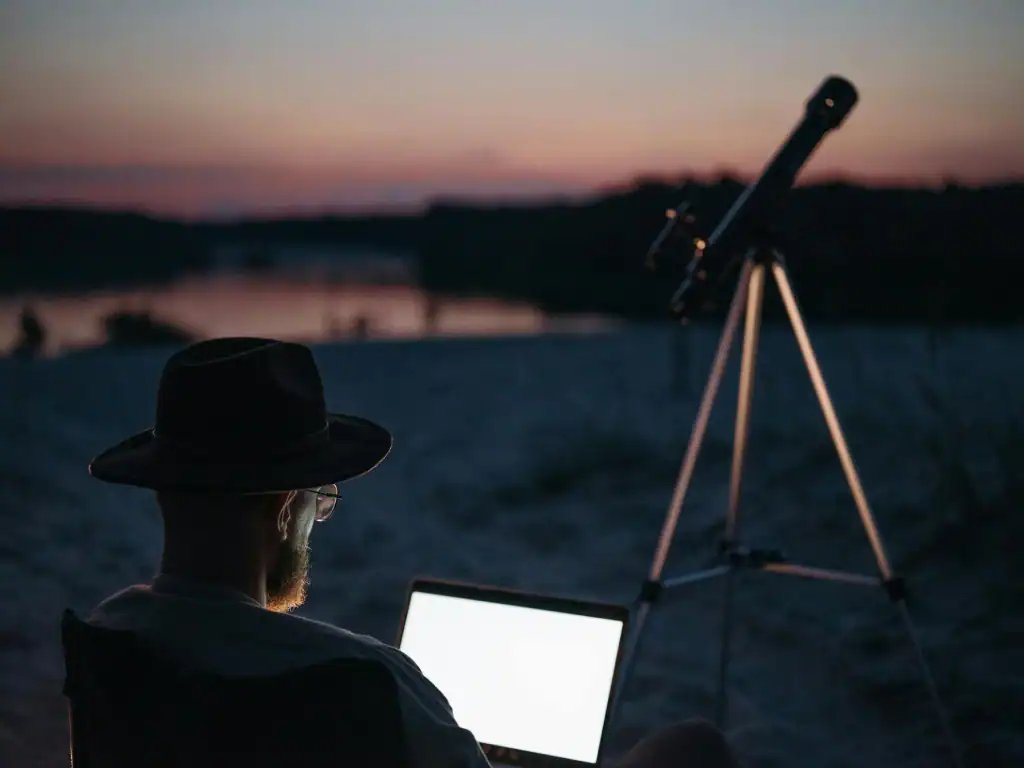
People expecting a highly efficient digital nomad setup sometimes become disappointed in Bolivia. Transport delays happen. Internet occasionally drops. Bureaucracy can feel slow. Power cuts still happen in certain areas.
Flexible Schedules Work Better
Things often work, though not always quickly or smoothly. For slower travellers, that rhythm sometimes becomes part of the appeal instead.
Structured Productivity Can Feel Harder
Bolivia generally works better for remote workers who prefer flexible schedules rather than extremely structured productivity routines every day. That difference affects how enjoyable long-term stays feel.
Daily Costs Stay Fairly Low
This is still one of Bolivia’s strongest advantages for remote workers trying to manage long-term budgets. Meals at local restaurants are often inexpensive. Public transport costs very little.
Local Living Is Affordable
Many remote workers manage to travel through Bolivia relatively cheaply because buses between cities still remain affordable compared to regional flights elsewhere in South America. Accommodation prices also stay manageable in many areas, particularly outside the busiest travel periods.
Imported Comforts Cost More
Bolivia stops feeling especially cheap once someone starts chasing more international comfort standards. Imported groceries, premium apartments, upscale cafés, international restaurants, private drivers, or stronger internet setups usually increase costs fairly quickly. Card payments and ATM access can also feel less consistent once travellers move outside the larger cities.
Social Life Depends Heavily on the City
Bolivia feels much less built around digital nomad culture compared to cities already known for remote work communities. Social connections still happen fairly easily though, especially through hostels, tours, cafés, language exchanges, and the normal backpacker circuit.
Backpacker Culture Is Stronger
The atmosphere usually feels more travel-oriented than remote-work-oriented most of the time. Some remote workers enjoy the more independent atmosphere because it feels less commercialised.
Networking Feels Smaller
Others miss having larger coworking communities and established networking scenes. That difference becomes more noticeable during longer stays.
Safety Is Usually More About Awareness Than Fear
Most remote workers do not find Bolivia constantly unsafe, though basic travel awareness still matters quite a lot in larger cities. Problems for travellers usually involve petty theft, unofficial taxis, poorly lit streets, or phones being taken carelessly rather than serious violent crime.
Local Habits Matter
In larger cities especially, many locals use taxis at night even for short distances. That catches some foreigners off guard initially.
Certain Areas Feel More Comfortable
Daily life in Bolivia can feel very different depending on the neighbourhood someone chooses. In larger cities, some areas feel much quieter and more comfortable for remote work, especially during longer stays.
Long-Term Travel in Bolivia Feels Flexible

A lot of travellers move through Bolivia without relying heavily on organised tours the entire time. Independent travel between cities often works reasonably well, while tours become more helpful later in places where transport or remote logistics feel harder to organise alone.
Independent Travel Works Well
That combination often works well for travellers wanting flexibility without spending excessively. It also suits remote workers surprisingly well!
Slow Travel Feels Easier
A lot of travellers end up moving through Bolivia fairly slowly once remote work becomes part of the routine. Spending several weeks in one city before travelling independently to the next destination often feels easier and cheaper than relying heavily on organised experiences throughout the entire trip.
Bolivia Is Not a Luxury Digital Nomad Destination
This is important to understand before arriving. Bolivia generally feels rougher around the edges compared to polished digital nomad hotspots.
Infrastructure Feels Less Polished
Infrastructure varies. Public systems can feel inconsistent. English is less common outside tourist areas. Convenience levels are lower overall.
Some Travellers Love That Atmosphere
Some travellers absolutely enjoy the slower and less commercial atmosphere. Others leave quickly once the realities of daily life start affecting remote work routines.
So, Is Bolivia Good for Digital Nomads?

Bolivia usually works best for remote workers comfortable with slower travel and a less polished day-to-day experience overall. Some travellers end up enjoying the lower costs, mountain cities, and more independent atmosphere quite a lot. Others eventually find the weaker infrastructure, internet inconsistency, altitude, and slower systems difficult to manage once remote work becomes part of everyday life.
Happy Travels!