Drone Laws in La Paz: Rules, Restrictions and No-Fly Zones
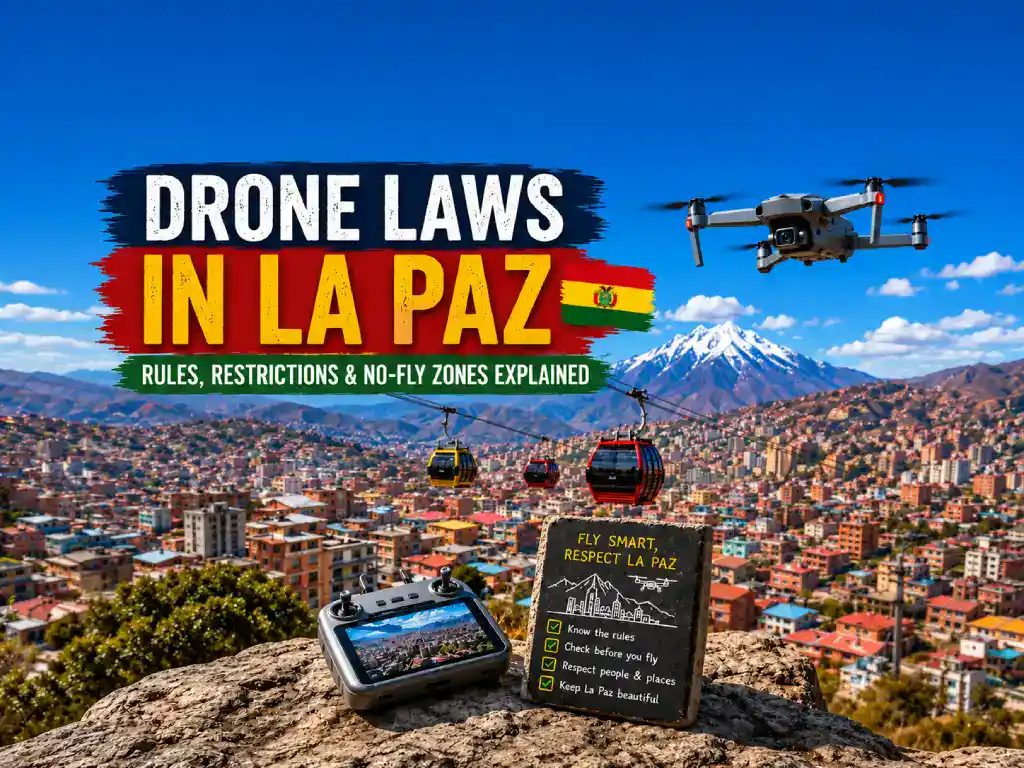
When researching drone laws in La Paz, many people expect to find a simple list of rules and restrictions. La Paz never quite felt that straightforward. Each new perspective seemed to raise another question or reveal another detail. A route that looked straightforward on a map could feel completely different once elevation entered the picture. Neighbourhoods appeared and disappeared behind hillsides. Familiar landmarks occasionally seemed to occupy a different position depending on where I was standing.
What surprised me most was how often first impressions changed. A location that appeared ordinary during one visit sometimes felt much more interesting later. I rarely felt as though I had seen everything a place had to offer.
There was usually another detail waiting somewhere in the background. Sometimes it appeared after taking a different route. Other times it arrived simply because I looked a little longer than I had before.
That sense of discovery stayed with me throughout the trip. The city rarely felt fixed or entirely predictable, which may be part of the reason it remained interesting for so long. There always seemed to be another angle worth exploring. That feeling was not limited to La Paz, one of Bolivia’s two capitals, either. Some of Bolivia’s most memorable places reveal themselves gradually rather than all at once.
Can You Fly a Drone in La Paz?
I found myself revising my opinions quite often.
A location that seemed straightforward during one visit sometimes appeared far more interesting later. Routes I had barely noticed before began making sense, and connections between different parts of the city became easier to see. It was an unusual feeling. The places themselves remained familiar, yet they rarely felt identical to the versions I remembered. The same thing often happens when travelling through Bolivia, where routes that look confusing at first gradually begin to fit together.
Why La Paz Feels Different
The city rarely reveals everything at once.
A viewpoint may seem removed from the activity below. A quiet area can appear disconnected from the surrounding neighbourhoods. Then a different perspective emerges, and the relationship between those places begins to look slightly different. The more time I spent looking around, the more those connections stood out. Conversations with local people often helped make those connections easier to understand as well.
Understanding Drone Restricted Areas
I noticed that some locations seemed straightforward at first.
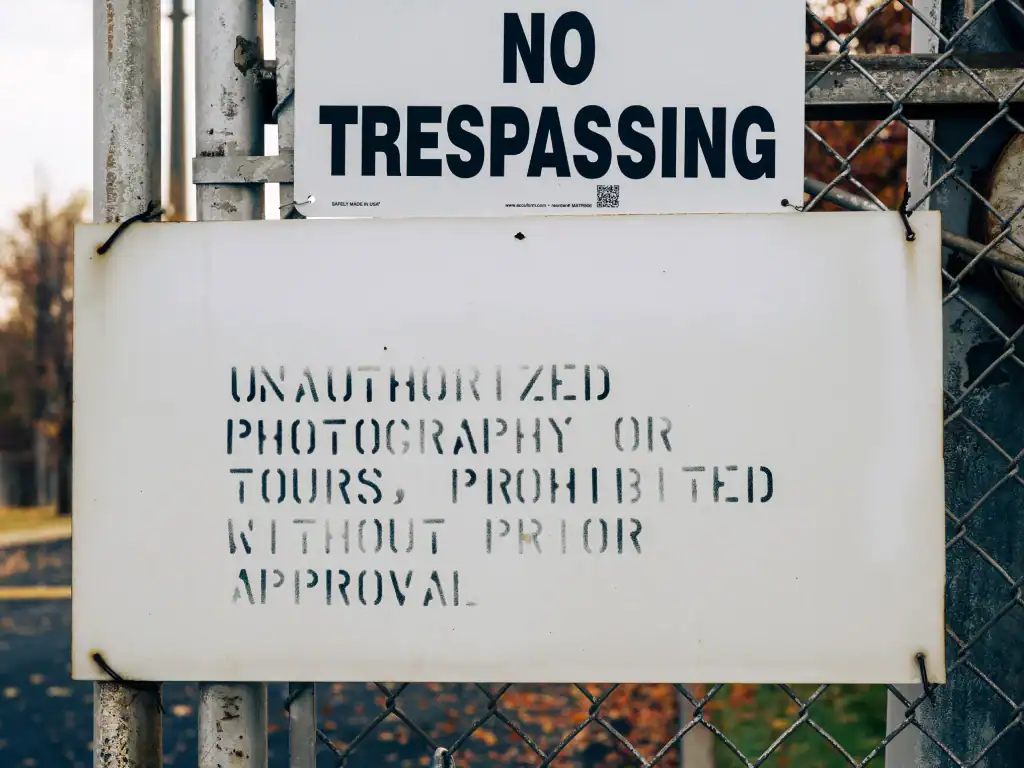
Then something would make me look again. A different road appeared in the distance. A nearby building became more noticeable. What had initially felt simple gradually revealed a few extra layers that I had not considered before.
Those moments rarely announced themselves in advance. They tended to arrive after spending a little more time with a place.
Restricted Areas Are Not Always Obvious
Some locations seem straightforward at first. A large open space looks like a large open space. A quiet road appears completely removed from the activity taking place elsewhere in the city. Then a little more time passes, another street comes into view, or a nearby building suddenly becomes noticeable.
Details that were not obvious at first can begin to change the overall picture. That process is not unique to La Paz. It is simply part of understanding a location before flying.
Urban Environments Create Additional Considerations
The city rarely stays still for long. A street that feels quiet in one moment can feel completely different later. Activity shifts from one area to another, and places that seemed calm earlier in the day sometimes develop a very different atmosphere.
The surroundings continue changing, even when the location itself remains the same.
Popular Viewpoints Are Not Always the Best Launch Sites
Certain viewpoints seem to develop their own rhythm.
There are moments when they feel calm and almost empty. Then the atmosphere shifts. Visitors begin arriving, people pause to admire the view, and the space gradually takes on a different character. Neither version feels unusual. They simply reflect different moments in the life of the city.
Restricted Airspace and No-Fly Zones
I noticed that certain questions kept returning no matter where the conversation started.
A viewpoint would lead to one discussion. A neighbourhood would raise another. Then, sooner or later, attention seemed to drift towards the areas in between. The city felt connected in ways that were not always obvious at first glance. Places that appeared separate from one another occasionally turned out to have more in common than I initially realised. That was something I found myself thinking about more often as I explored.
Airports Deserve Special Attention
Certain details stay in the background until something draws attention to them.
A different viewpoint. A map. A route through an unfamiliar part of the city. Then a place that seemed separate from everything around it suddenly feels connected to a much wider landscape. The city begins looking slightly different, even though nothing has actually changed. That happened to me more than once in La Paz.
No-Fly Zone Maps Can Be Useful
Some connections are easier to notice from a distance. A road that seemed to disappear around a hillside suddenly makes sense. Neighbourhoods that felt separate begin looking more closely linked. Parts of the city that appeared unrelated reveal a relationship that was not obvious before.
Nothing has moved. The perspective has simply changed.
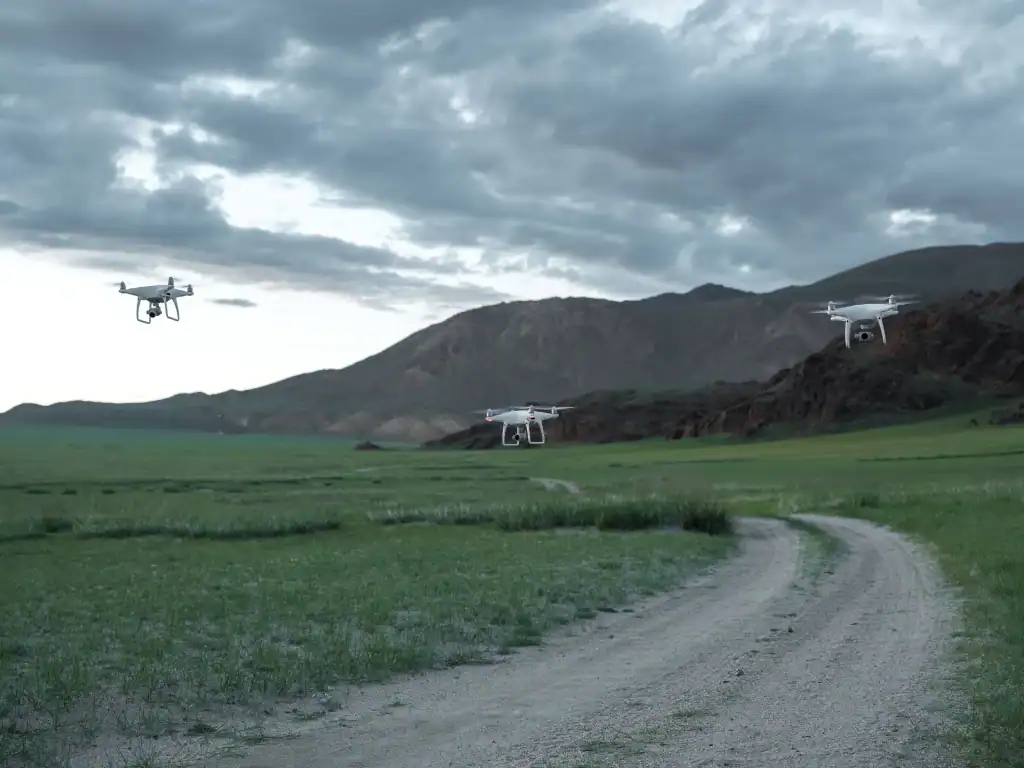
Drone Filming in Urban Areas
Some views stay with you long after you leave. La Paz seemed to produce quite a few of them. A familiar location in the morning could feel surprisingly different later in the day. Shadows moved across the hillsides, colours shifted, and parts of the city that had blended into the background earlier suddenly became much easier to notice. The landscape never felt completely fixed.
That was part of the appeal. Looking at the same place twice rarely felt repetitive. A different hour, a change in the light, or a slightly different position often revealed something that had gone unnoticed before.
The city rewarded patience. The longer I spent observing it, the more details seemed to emerge from the landscape. People spending longer periods in La Paz often notice those gradual changes more than short-term visitors.
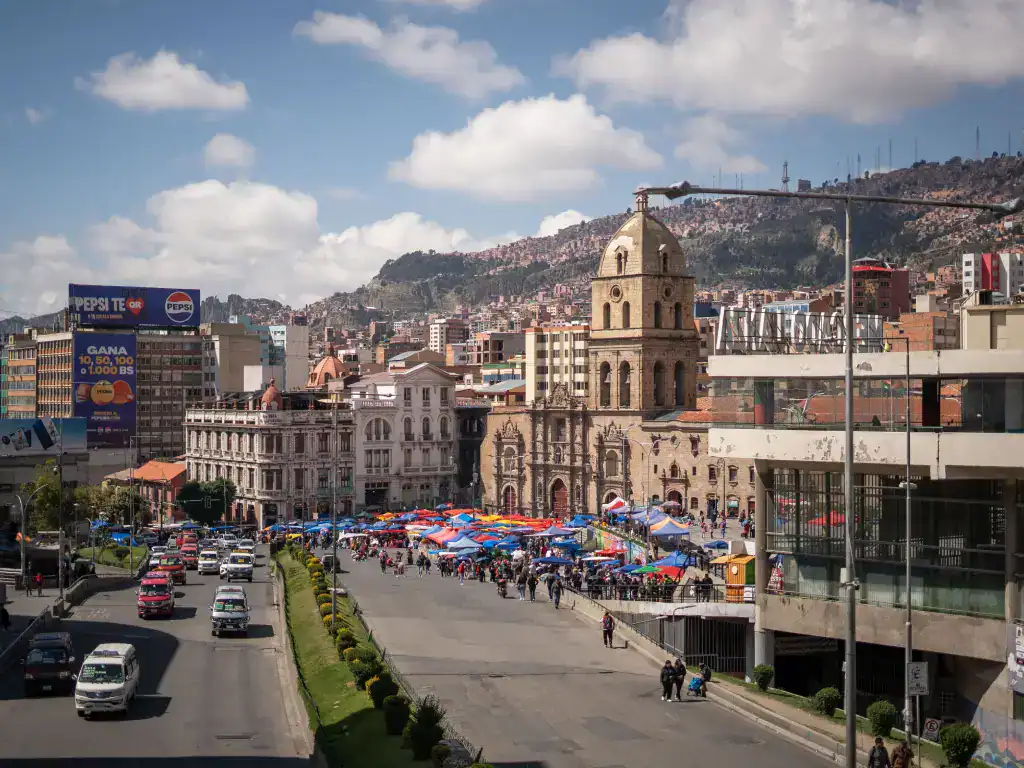
Urban Photography Requires Awareness
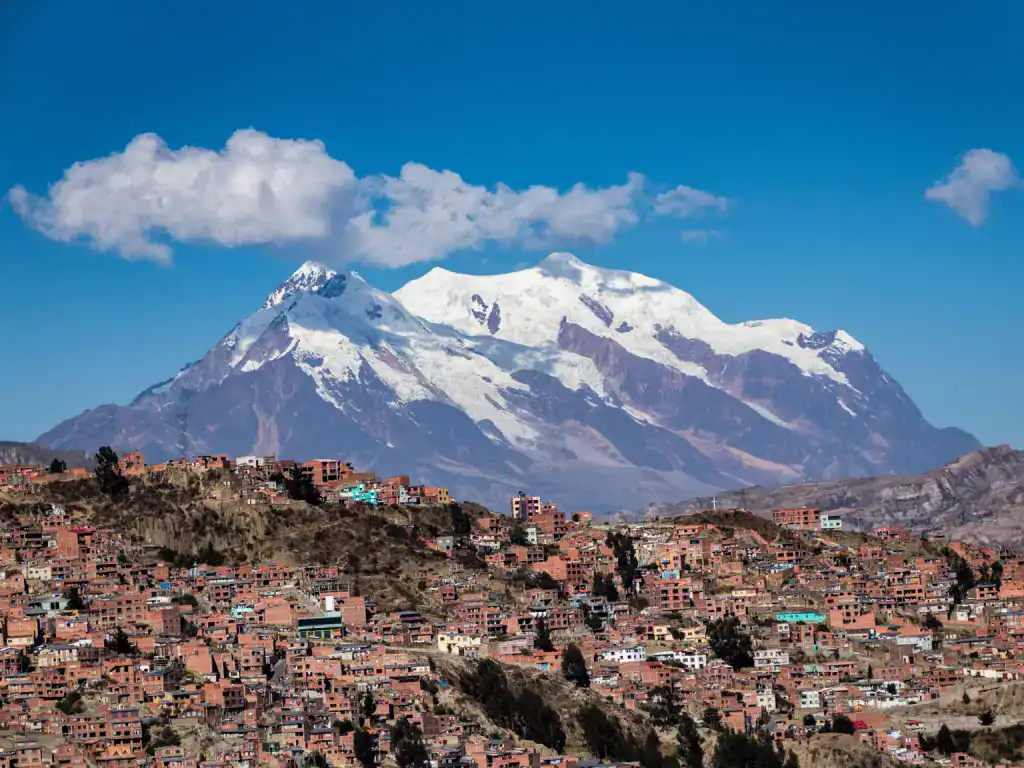
The appeal of urban drone photography is easy to understand. Buildings create patterns. Roads carve through the landscape. Mountains frame the city from almost every direction. Yet those same features can introduce practical considerations that are less obvious when focusing on the view alone.
The best photographs often come from locations that balance visual appeal with responsible flying practices.
The City Changes Constantly
Some locations seemed determined to make a second impression. I would pass through an area once, feel as though I understood it, and then return later to find that it carried a slightly different atmosphere. The streets were the same. The surrounding landscape had not gone anywhere. Yet the overall feeling of the place seemed to have shifted.
Those small changes became easier to notice over time. They were never dramatic, but they often made familiar locations feel worth revisiting.
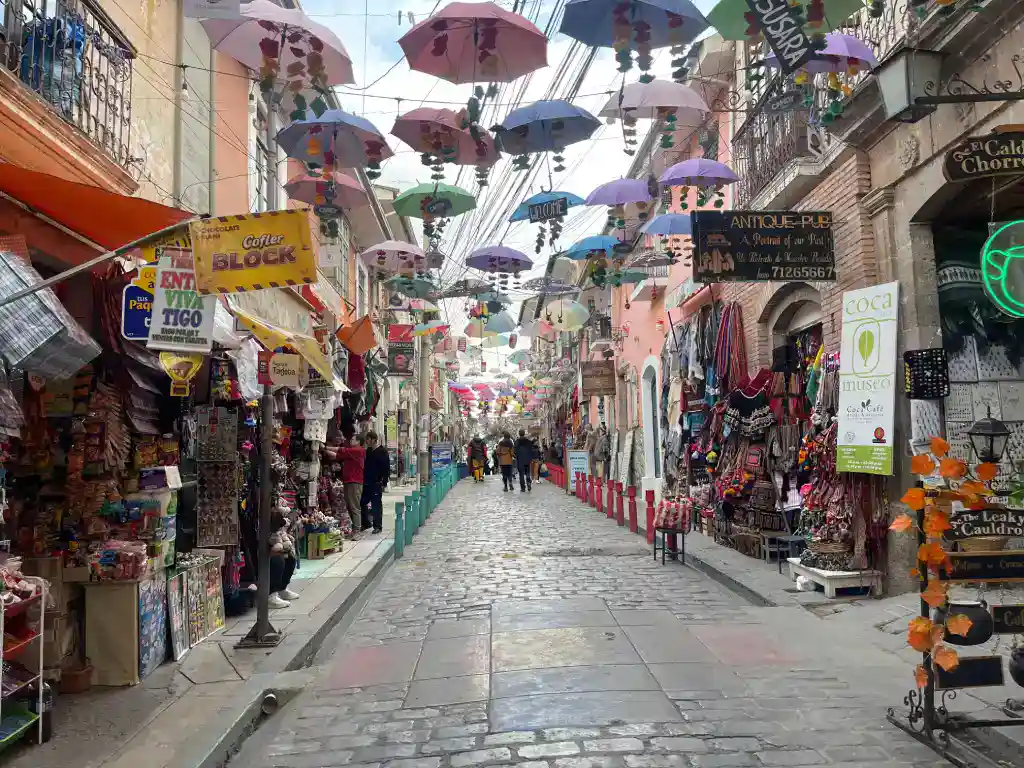
Weather Can Change the Experience
The city never seemed entirely settled.
A clear view in the morning could feel different a few hours later. Light shifted across the hillsides. Clouds drifted through parts of the valley. Areas that looked sharp and defined earlier in the day occasionally took on a completely different appearance.
I found myself stopping more often than expected. Sometimes the view improved while I was standing there. A detail emerged from the landscape, a shadow moved across a neighbourhood, or the atmosphere changed just enough to make the scene feel new again. Those moments rarely followed a schedule.
The places remained the same. The conditions around them continued to evolve.
What About Rural Areas Around La Paz?
Somewhere along the way, the sense of scale began to change.
The city still existed behind me, although it felt slightly more distant with every stop. The landscape seemed larger. The horizon appeared wider. Features that might have gone unnoticed earlier gradually became the main focus. I remember noticing that transition more clearly than any specific location.
Final Thoughts
Somewhere between planning a flight and standing at a viewpoint overlooking the city, the focus often begins to shift. Questions about restrictions, airspace, and no-fly zones remain important. Reviewing Bolivia’s drone regulations before travelling can help avoid confusion once you arrive in a new location.
Yet they gradually share space with something else: understanding the environment itself. Certain places are easy to understand after a short visit. La Paz never quite felt that way.
Each new perspective seemed to raise another question or reveal another detail. The city rarely felt fixed or entirely predictable, which may be part of the reason it remained interesting for so long. There always seemed to be another angle worth exploring.
Happy Travels!