Things to Do in Potosí Bolivia: What Not to Miss
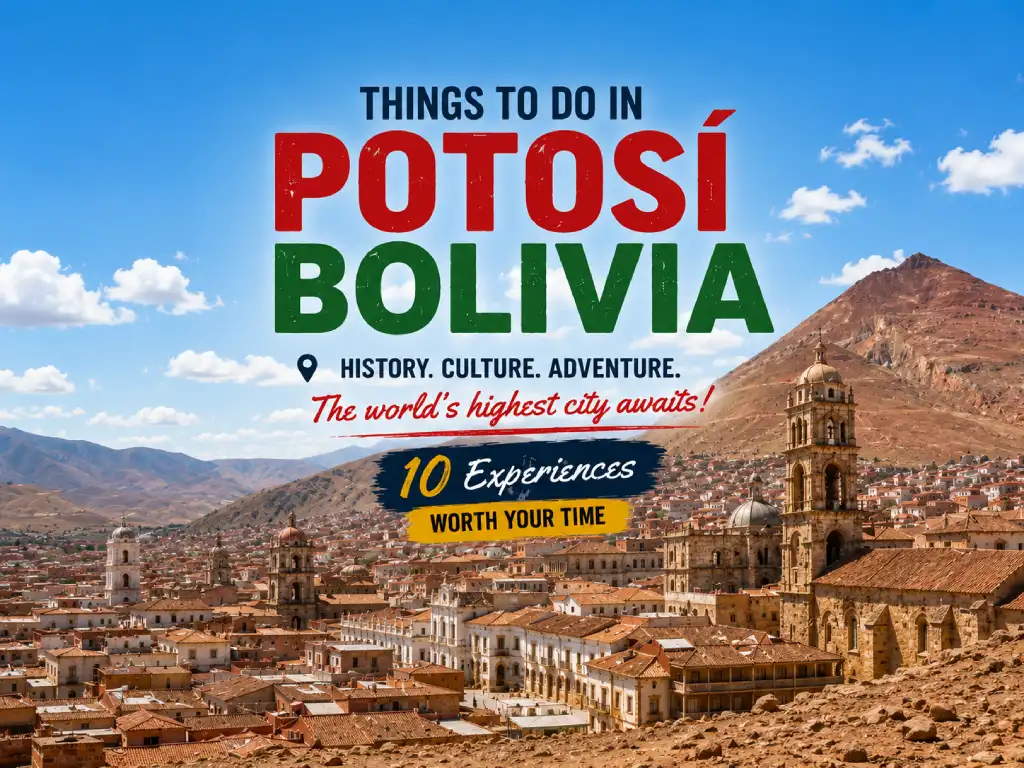
Some places leave an impression the moment you arrive. Potosí isn’t usually one of them. If you’re searching for things to do in Potosí Bolivia, the city has a habit of changing your plans in the best possible way.
The altitude slows things down before anything else. Then Cerro Rico starts appearing above the rooftops, old churches catch your attention, and another quiet street somehow turns into the rest of your afternoon. By the second day, you realise the best things to do in Potosí Bolivia aren’t always the attractions you planned to visit before arriving.
Most people come because of the city’s mining history, but they often leave talking about something else instead. A museum that took longer than expected, a coffee that quietly stretched into an hour, or another old street that looked worth following. Somehow, those are the moments I remember most. Potosí often ends up becoming one of those places that quietly earns a spot on people’s list of favourite experiences in Bolivia.
Why Visit Potosí?
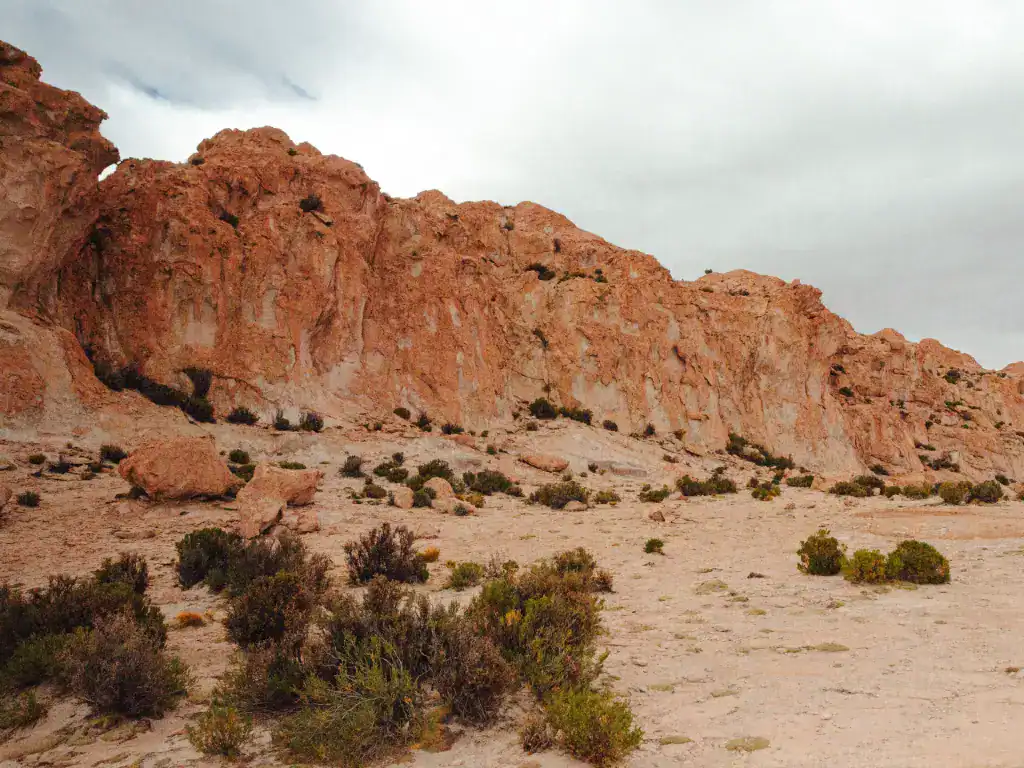
I wasn’t trying to see everything in one go.
That probably helped. I’d head towards one place, get distracted by something else along the way, then realise I was back near Plaza 10 de Noviembre without really meaning to. Cerro Rico kept appearing whenever the streets opened up, quietly reminding me where I was.
Exploring the city felt surprisingly straightforward. I wandered wherever the streets happened to lead, stopping now and then before carrying on without worrying too much about the route. I always felt comfortable wandering through the city during the day, although the usual travel precautions still apply.
Best Things to Do in Potosí Bolivia
Plans seem to change quite easily here. You head towards one attraction, another building catches your eye, then a side street looks interesting enough to follow. Before long, you’ve forgotten where you were heading in the first place.
Potosí doesn’t seem to mind either.
Wander Through the Historic Centre
Most walks around the historic centre start the same way. You pick a direction and keep going. Another church appears, then another museum, then a street that looks worth following just to see where it ends.
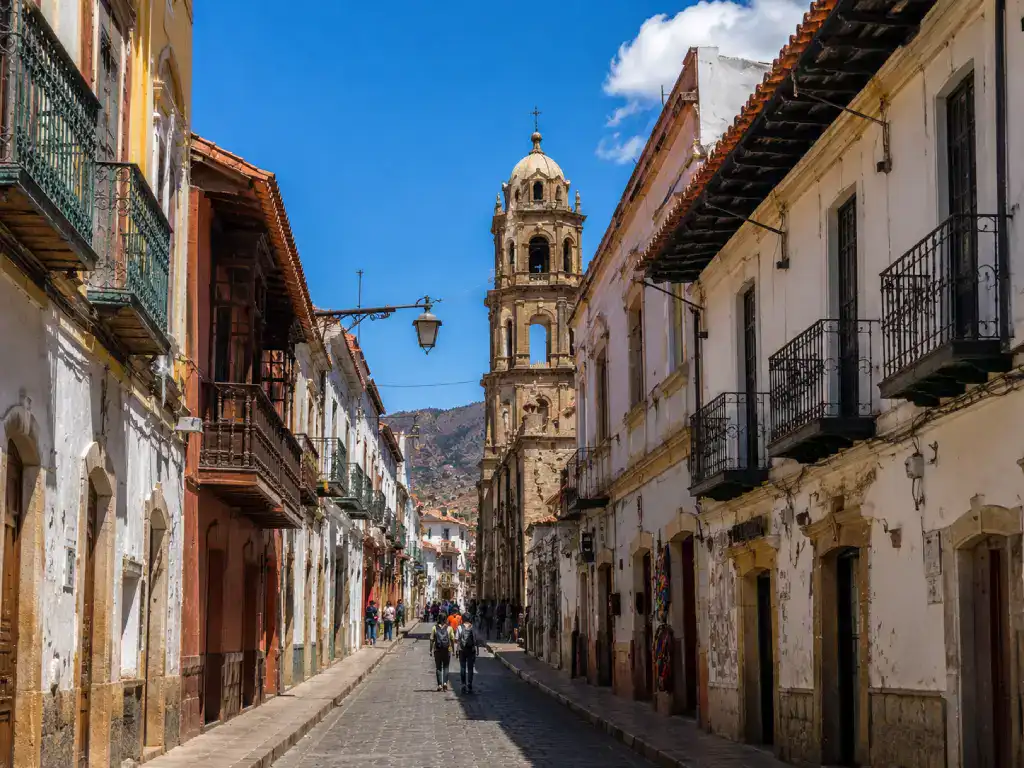
Quite often, it ends back at Plaza 10 de Noviembre. Sit there for a while and the city carries on around you without much fuss.
Visit Casa Nacional de la Moneda
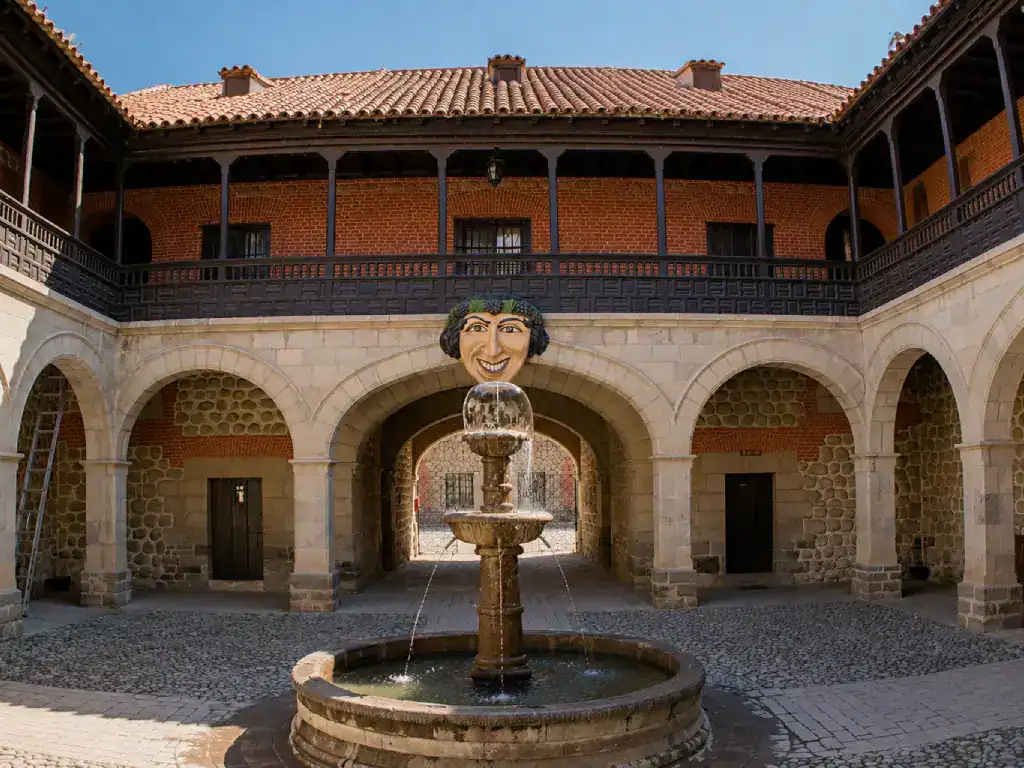
The National Mint Museum rarely feels like a quick stop.You wander from room to room without paying much attention to the time. One gallery focuses on coin production, another on mining, then the city’s history starts fitting together almost without you noticing, including why Bolivia has two capitals today. Old machinery, artwork, and original equipment all help fill in the gaps as you keep walking.
A guide often points out details you’d probably walk straight past on your own.
Take a Cerro Rico Mine Tour
The tour changes once you step inside the mountain. The noise fades, the tunnels become narrower, and before long you’re hearing about the people who still work there every day. Walking through the mine gives the stories you’ve heard around the city a completely different perspective.
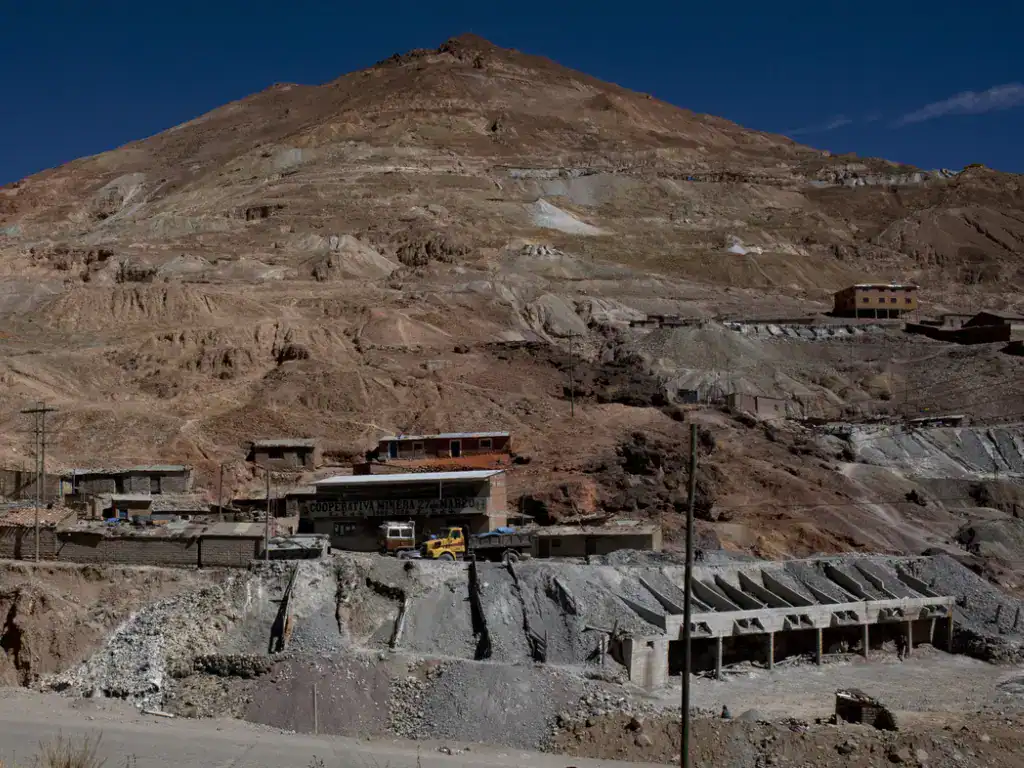
A knowledgeable local guide not only keeps the tour safe but also shares the history and traditions that are easy to overlook without someone explaining them.
Step Inside Historic Churches
Some church doors are simply open, so you step inside for a few minutes before heading back out.
After doing that once or twice, you start noticing how many historic churches are scattered around the city. Most have stood here since Potosí’s wealthiest years.
The Cathedral Basilica and the Church of San Lorenzo are two you’ll hear about time and again. If you’re already exploring the historic centre, it’s easy to call in at both.
Spend Time at Plaza 10 de Noviembre
Most afternoons seem to include a stop here. Sometimes it’s planned. Other times you just find yourself back in Plaza 10 de Noviembre after wandering through the surrounding streets.
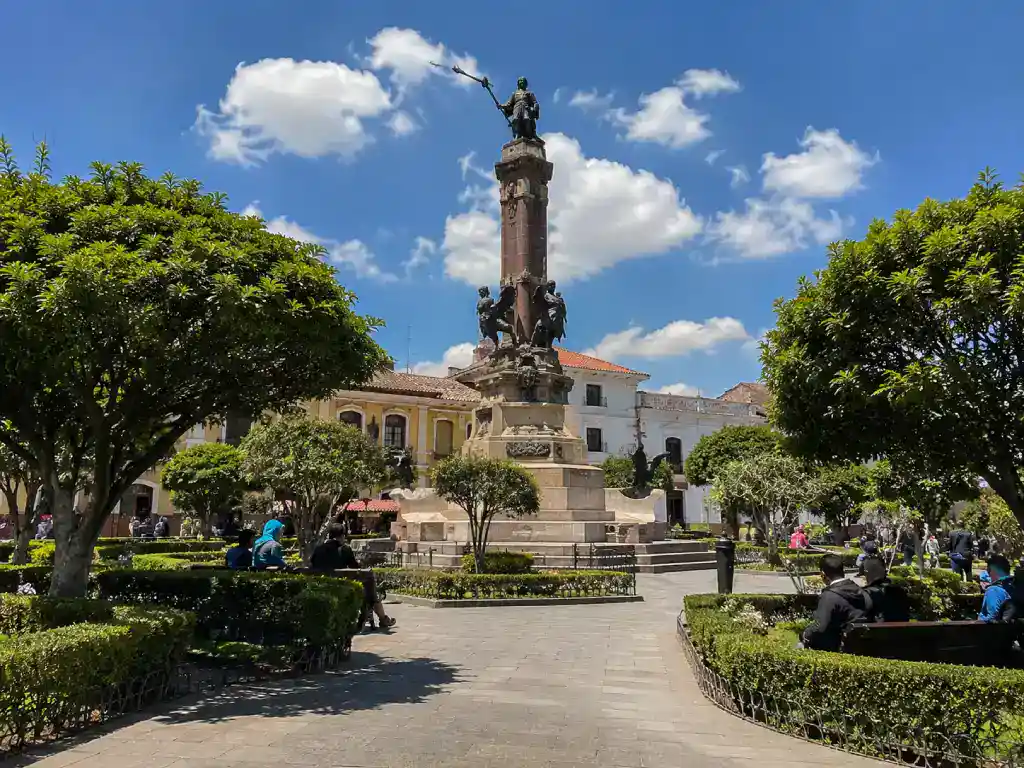
I often stopped for a coffee before carrying on. By then the square felt familiar, with the same cafés filling up, people crossing from one side to the other, and locals sitting on the benches as though nothing much had changed for years.
Join a Walking Tour
I thought we’d mostly be walking between the main landmarks. Instead, we spent just as much time stopping in places I’d never have noticed without someone pointing them out. Looking back, those were the parts I remembered most.
Most of the stops were surprisingly ordinary. One moment it was an old doorway, the next a small courtyard, or a story behind a building I’d barely noticed earlier in the day. Afterwards, I found myself looking around a little more carefully without really meaning to.
Browse the Local Markets
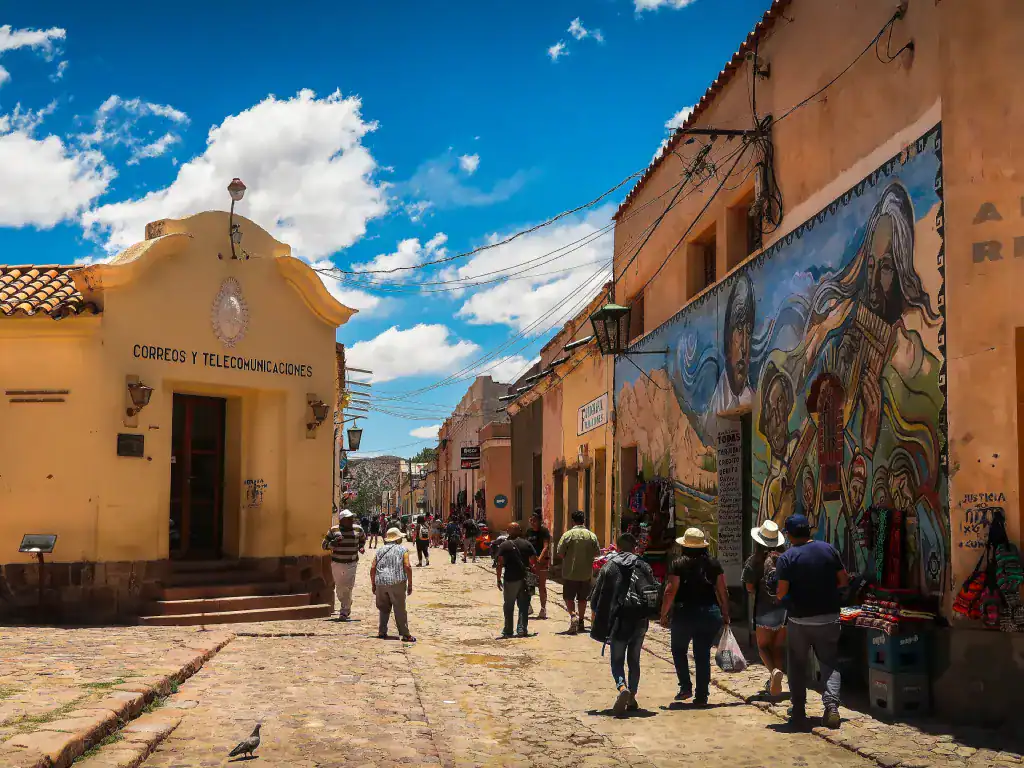
I only stopped because I happened to be walking past. Before long I’d forgotten where I was heading. One stall sold fresh fruit, another local snacks, while nearby families went about their shopping as though nobody else was there.
Looking back, that ordinary slice of everyday life stayed with me just as much as the churches and museums.
Try Traditional Bolivian Food
I found myself choosing cafés the same way I explored the city. Nothing was planned. If somewhere looked welcoming, I went in. Most places served traditional Bolivian dishes alongside hot drinks, and after a long day on foot, that was all I was really looking for.
The evenings felt noticeably cooler than the afternoons, so an api quickly became an easy choice. Sitting indoors for a while before heading back outside seemed to suit the pace of Potosí rather well.
Watch Cerro Rico Throughout the Day
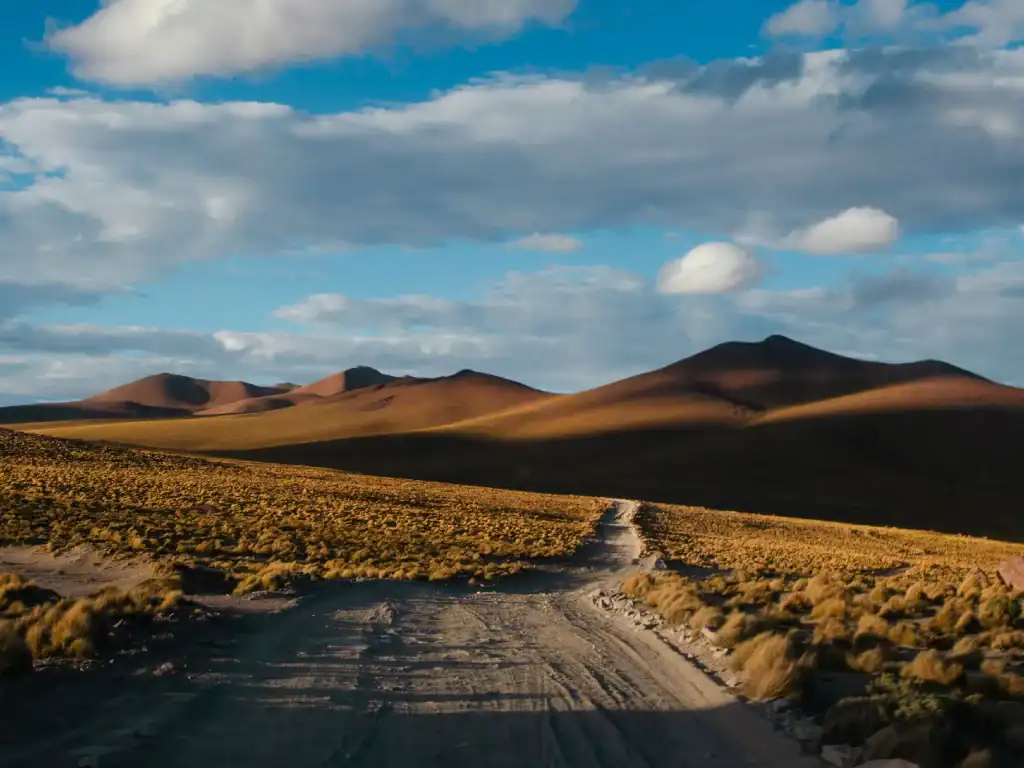
I only noticed it properly after the first day. At first, Cerro Rico was just another landmark on the skyline. Then I realised it kept appearing wherever I happened to be walking. Leaving a museum, crossing a plaza, or turning into another street usually brought another glimpse of the mountain.
Eventually it became something I expected without thinking about. It was simply there, watching over the city while everything else carried on below. Somehow, that felt more memorable than standing at a single viewpoint.
Stay Long Enough to Slow Down
I thought I’d seen most of the city after the first day. Looking back, I’d only just started settling into it. The map came out less often, I stopped checking the time, and the walks became much less about getting somewhere. I’d turn down another street simply because it looked interesting or stop for a coffee without thinking about what came next.
By then I recognised a few familiar corners, knew my way back towards Plaza 10 de Noviembre, and found myself walking past places I’d already visited without feeling the need to go inside again. Staying another day didn’t add many more attractions. It simply made the whole city feel more familiar, and somehow that was even better.
Practical Tips Before Visiting Potosí
I probably overthought it before arriving. In reality, most things worked themselves out once I was there. The altitude slowed me down a little at first, though it wasn’t anything I hadn’t expected. Keeping some water with me simply became part of the day.
Once I’d settled in, the rest was easy enough. Good shoes made wandering through the hills more comfortable, while carrying some cash made small cafés and local shops much simpler to enjoy. Booking a local guide for Cerro Rico also turned out to be worthwhile. It never felt like someone reading from a script. Instead, the stories came naturally while we walked through the mountain, which made the experience far more memorable. Even a few basic Spanish phrases can make conversations with local guides feel much more rewarding.
Conclusion
People arrive in Potosí for different reasons. Some come because they’ve heard about Cerro Rico. Others are curious about the city’s colonial history or simply stop here while travelling between Sucre and Uyuni. For many backpackers, Potosí becomes one of several memorable stops while travelling across southern Bolivia.
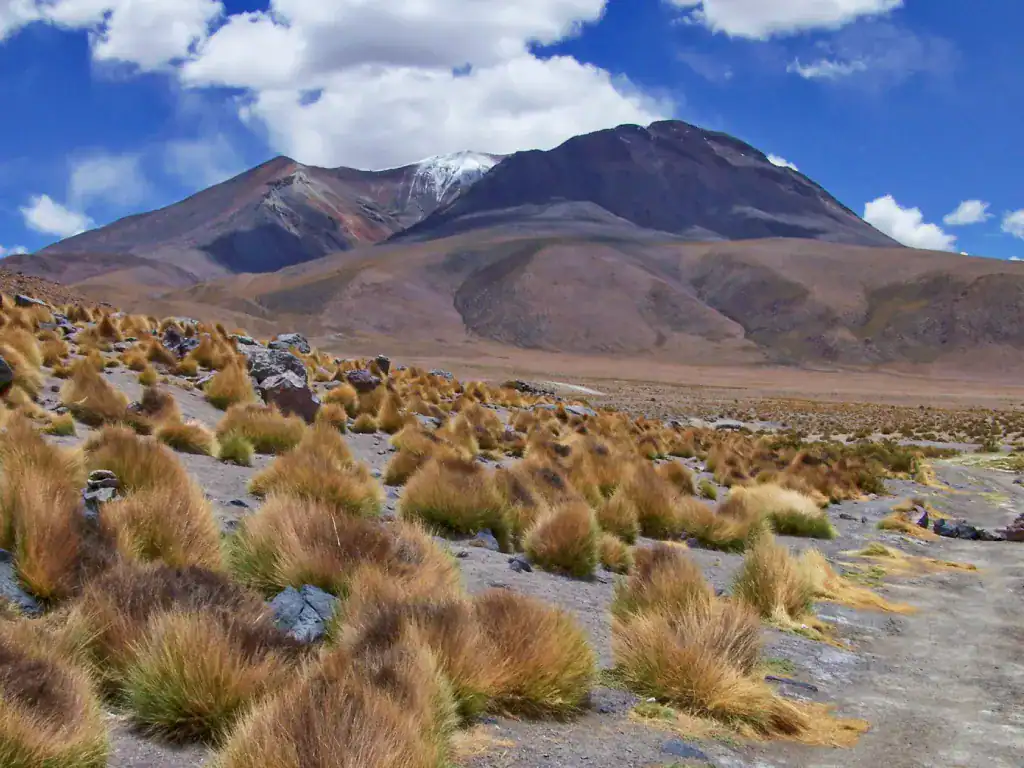
Whatever brings you here, it’s rarely just one experience that stands out afterwards. You remember wandering into another church because the door happened to be open. You remember spending longer than expected in the National Mint Museum. You remember looking up and finding Cerro Rico watching over the city yet again.
The best things to do in Potosí Bolivia aren’t about rushing from one attraction to the next. They’re about giving yourself enough time to enjoy everything in between.
Happy Travels!