Rurrenabaque Bolivia: What Visiting the Amazon Is Really Like
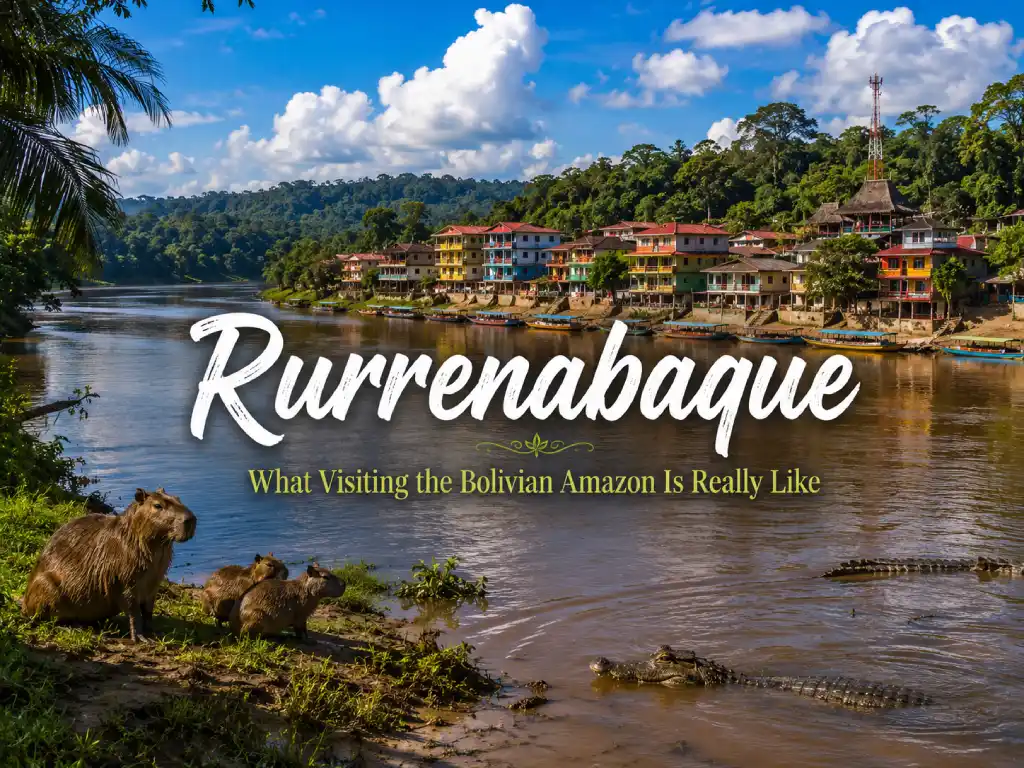
I remember opening the car door more than I remember arriving in Rurrenabaque, Bolivia. The humidity hit me immediately after days spent in Bolivia’s cooler mountain towns. Everything looked greener too, although the heat took longer to stop noticing. I thought the rainforest would be what stayed with me afterwards.
Watching capybaras resting along the riverbank and hearing monkeys somewhere beyond the trees were experiences I won’t forget. But afterwards, it was often the ordinary moments that came back first. Waiting beside the Beni River while boats were loaded. Watching the afternoon unfold in town before a tour departed. Sitting outside after sunset while locals and travellers drifted through the plaza without much urgency. That slower rhythm stayed with me just as much as the wildlife. It became one of those places that reminded me some of Bolivia’s best experiences aren’t always the ones you plan for.
Rurrenabaque in Boliva Is More Than Just a Gateway to the Amazon
I almost treated Rurrenabaque the same way.
Checking in took less than five minutes. After leaving my bag in the room, I wandered down towards the river. Like anywhere new, I kept to the usual travel habits, but the town generally felt relaxed and easy to explore. A couple of guides were talking beside the boats while someone carried bags of supplies down the bank. Madidi National Park and the Pampas are both within easy reach, but the town never felt like it existed only for tourists. For many backpackers, Rurrenabaque becomes a memorable detour from the more familiar mountain route through Bolivia.
It took me a day or two to stop expecting the cooler mountain air. In Rurrenabaque I found myself crossing the street simply to walk in the shade. Walking the same distance suddenly felt different, and the sound of insects replaced the quiet of the mountain towns I’d become used to.
My First Afternoon in Rurrenabaque, Bolivia
After trying, and mostly failing to roll my R’s properly when pronouncing the full name – I was told by locals they affectionately call it “Rurre” for short – which somehow seemed even harder. I quickly figured I better stick to the exploring side of things.
During my first afternoon in Rurrenabaque, Bolivia, most conversations around town seemed to begin with the same question.
“Amazon or Pampas?”
I walked for a while without much of a plan. By the time I noticed the river again, I’d already wandered through several streets.
The streets felt busy without feeling hurried. Small cafés filled with travellers comparing plans, A few people I met had planned to stay only a few days but ended up working remotely from town for much longer. Motorbikes passed every few minutes and local families carried on with their afternoon as though the steady flow of backpackers had become part of everyday life years ago.
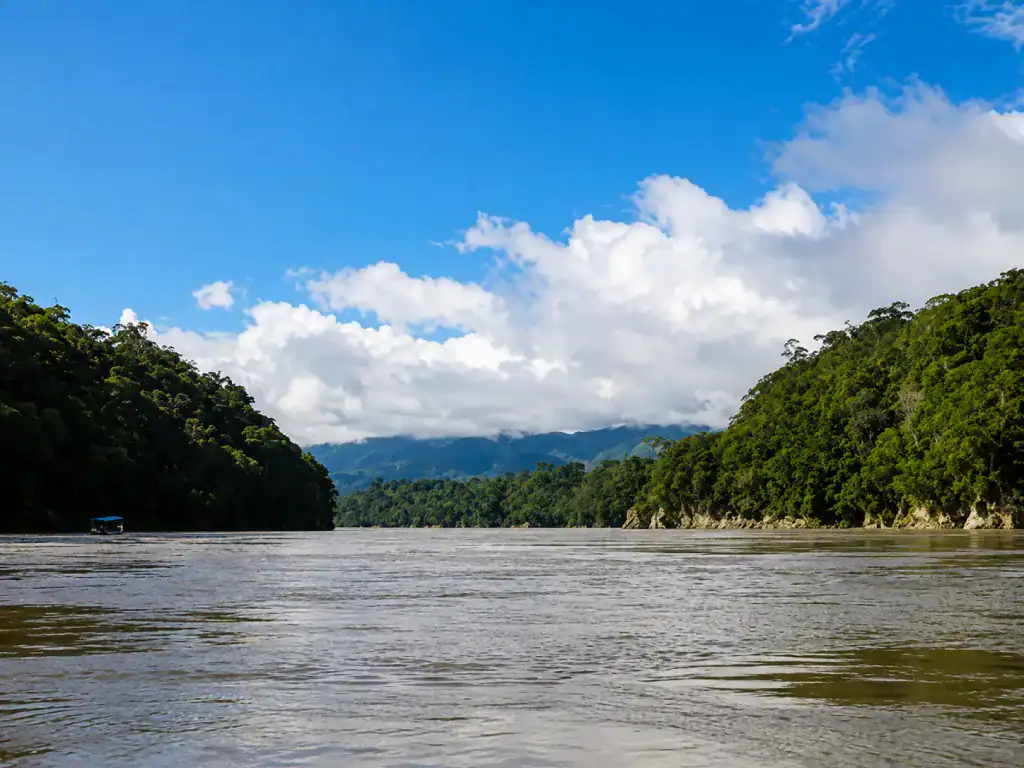
I stopped near the Beni River. Boats were being loaded with food, fuel and supplies while guides chatted with one another before the next departures. I stayed by the river for a while without checking the time. A couple of boats came and went, people wandered past in small groups and another guide appeared carrying a bundle of life jackets over one shoulder. I only headed back when I noticed the light beginning to change.
Amazon Rainforest or Pampas? Choosing Between the Two
Before I arrived, I kept changing my mind. Some people told me the rainforest was the obvious choice. Others said the Pampas offered far better wildlife. Every traveller I spoke to seemed to recommend something different.
After hearing a few stories, I realised the choice came down to what kind of day I wanted rather than which tour was “better.”
Exploring the Amazon Rainforest
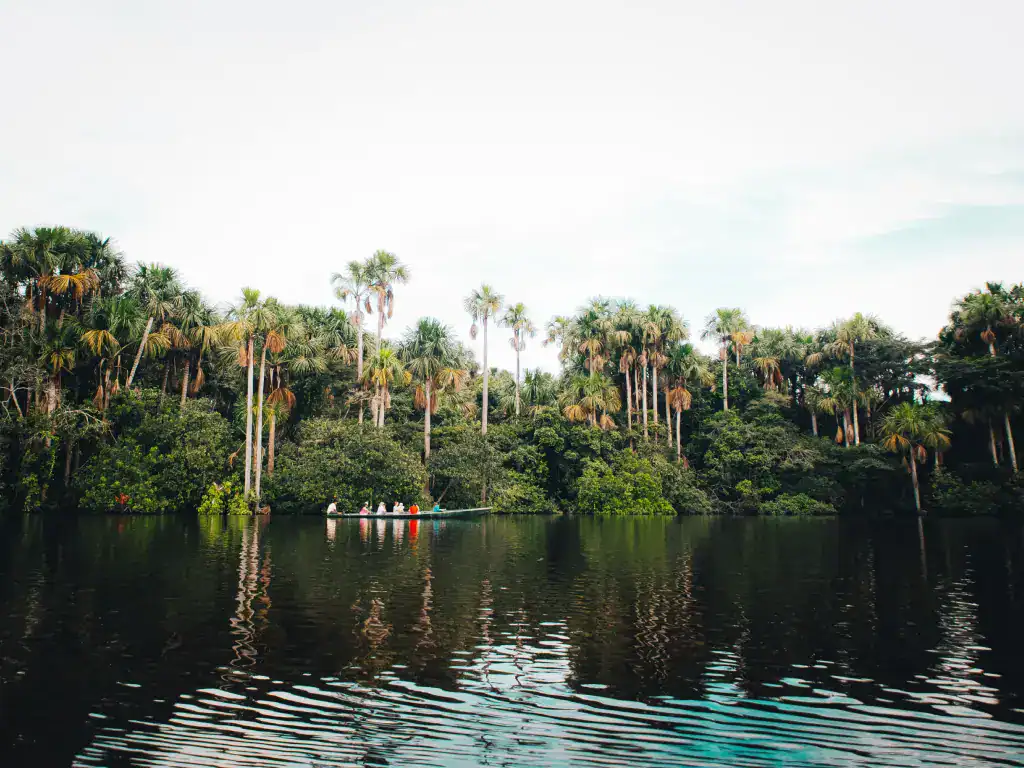
Rivers become narrower, dense vegetation stretches across both banks and the sounds never really stop. Birds call overhead, insects fill the background and every now and then something moves through the trees before disappearing again.
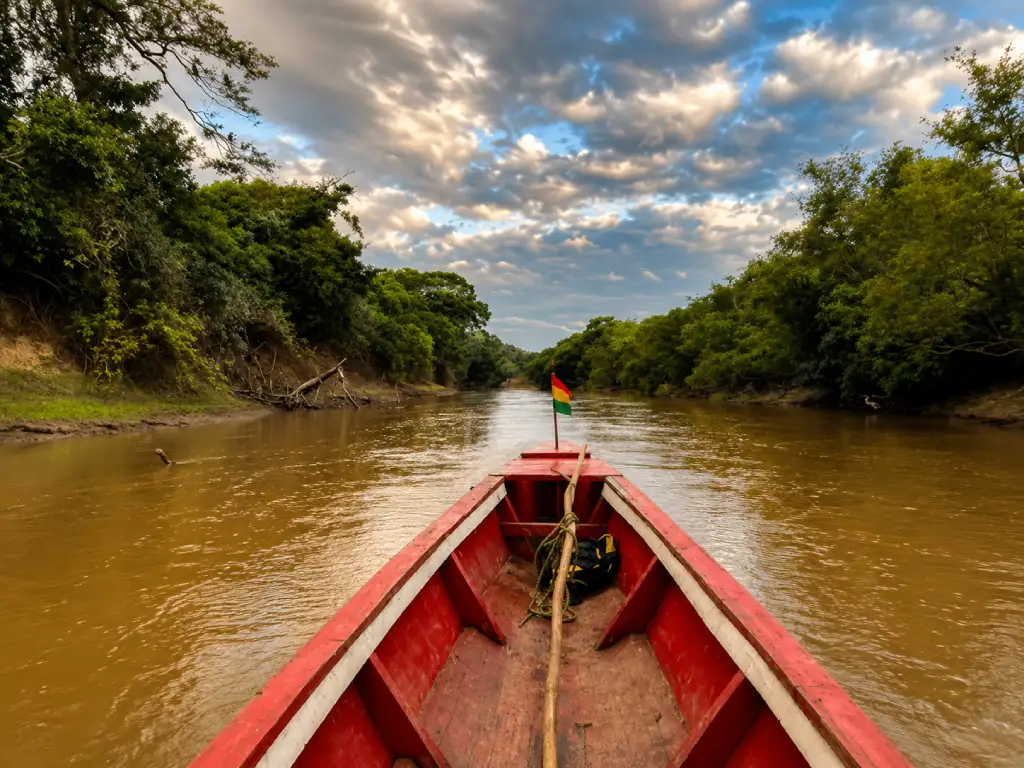
Finding wildlife often takes patience. Our guide stopped several times for things I never would’ve noticed on my own. Even a few basic Spanish phrases made conversations with local guides and boat crews much easier. Once it was a tiny frog sitting on a leaf. Another time he pointed to a monkey high in the trees that I’d walked straight past without seeing.
Before long, I was looking around more carefully myself.
Seeing Wildlife in the Pampas
The Pampas offer something completely different. One of the first photos I took in the Pampas wasn’t particularly impressive. It was just a capybara sitting beside the river.
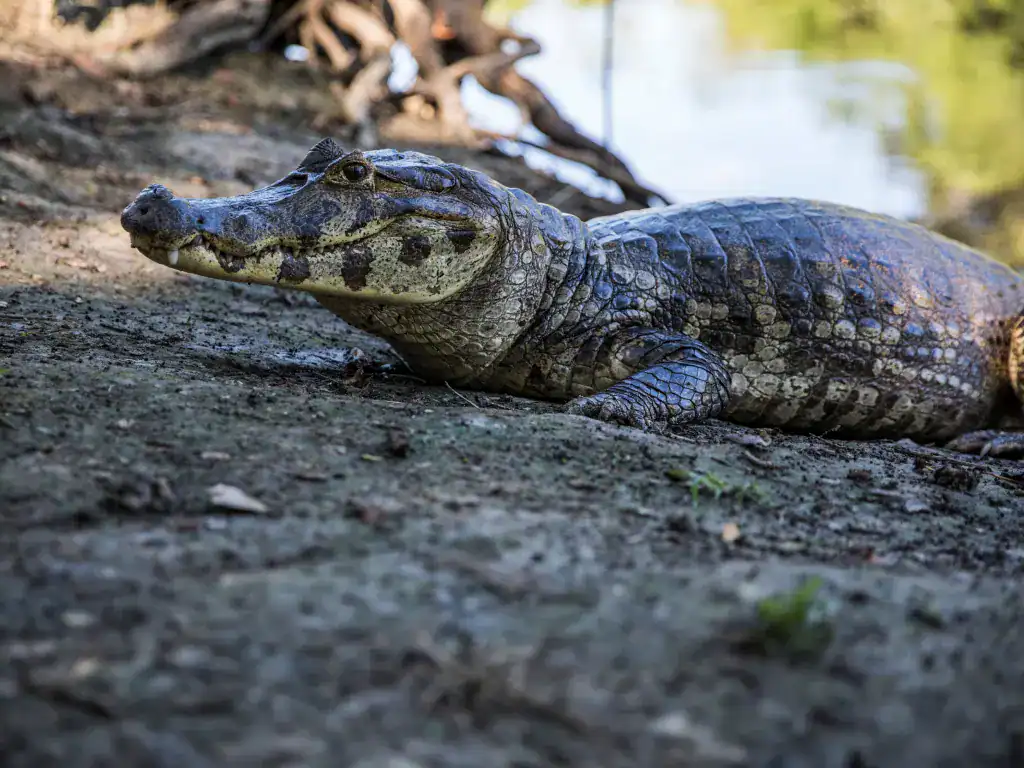
Not long afterwards we came across several caimans lying side by side on the riverbank. I lowered my camera just as the guide quietly pointed further upstream. Nothing appeared that time, but he told us pink river dolphins often surfaced there and that turtles and even anacondas were sometimes seen in the same area.
The Moments I Remember Most Weren’t Always the Wildlife
Like most visitors, I was hoping to see plenty of wildlife and it certainly delivered. At one point, I nearly missed the capybaras.
By the time I looked where the guide was pointing, everyone else had already seen them. They stood on the muddy bank for a few moments before wandering further inland. A little later we passed several caimans stretched out beside the water. Every now and then someone pointed towards the riverbank, but most of us were simply looking around to see what might appear next. What surprised me was how much happened between the wildlife sightings.
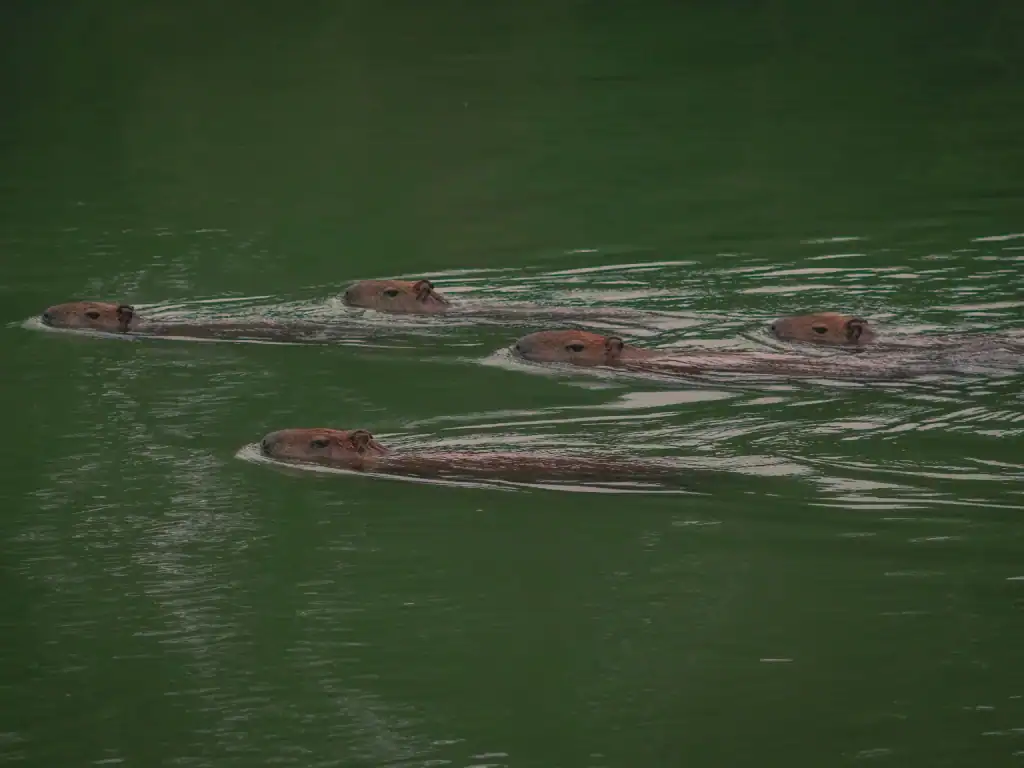
The river itself became part of the experience. Sometimes we drifted quietly with the current while someone pointed towards a distant bird. Other times the boat stopped completely so everyone could listen. If an animal disappeared before we spotted it, the guide simply carried on. Before long there would be something else to notice.
Looking back, I remember the stretches between the wildlife just as clearly. The river carried on around us and every so often something else caught the guide’s attention.
Life Along the Beni River in Rurrenabaque
Boats leave throughout the day carrying travellers, supplies and local families moving between communities. The river never looked quite the same twice. One morning there were only a couple of boats tied to the bank. Later that same day it was much busier, with groups arriving and others setting off.
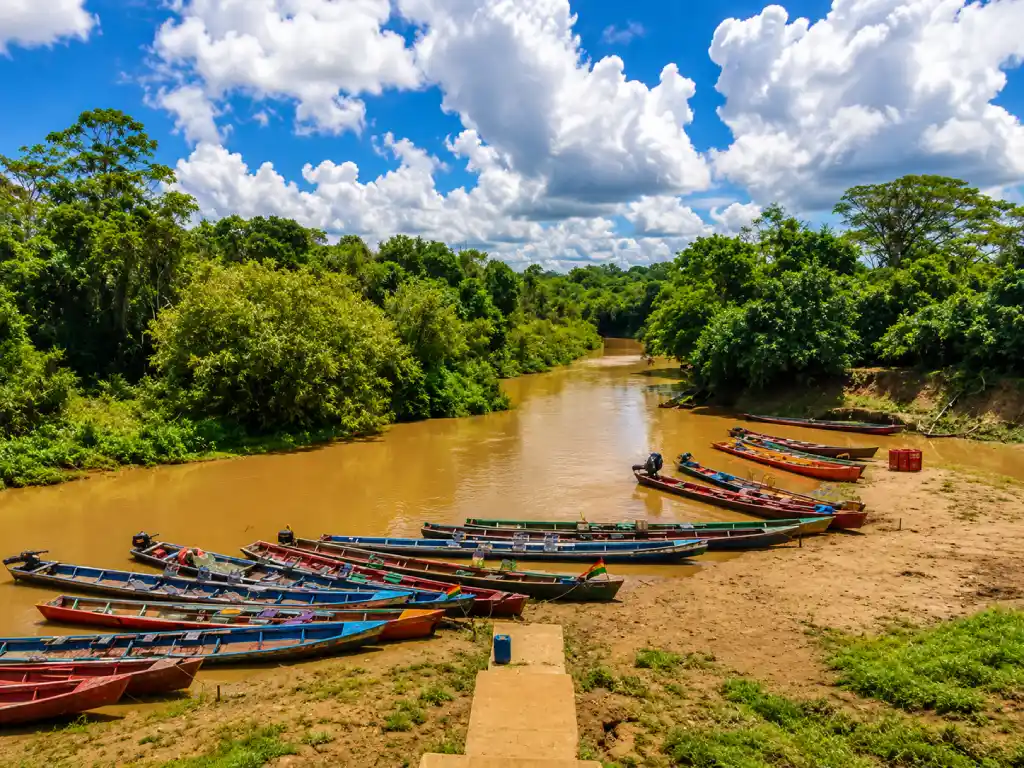
I stopped there again that evening with a bottle of water and watched another tour come back. Backpacks were handed ashore first, then people followed, chatting about what they’d seen while someone counted bags to make sure nothing had been left behind.
The guides took their time packing everything away before heading home. Equipment was stacked neatly on the jetty before everyone gradually disappeared back into town.
Evenings Move at Their Own Pace
As the evening cooled, more people came outside. Families gathered in the plaza, children cycled between benches and restaurants slowly filled with travellers comparing what they’d seen that day. Dinner was also a good chance to try some regional dishes before heading out again the following morning. One table was talking about pink river dolphins while another debated whether the Amazon or the Pampas had been better. A little further from the river, the evening settled in quietly.
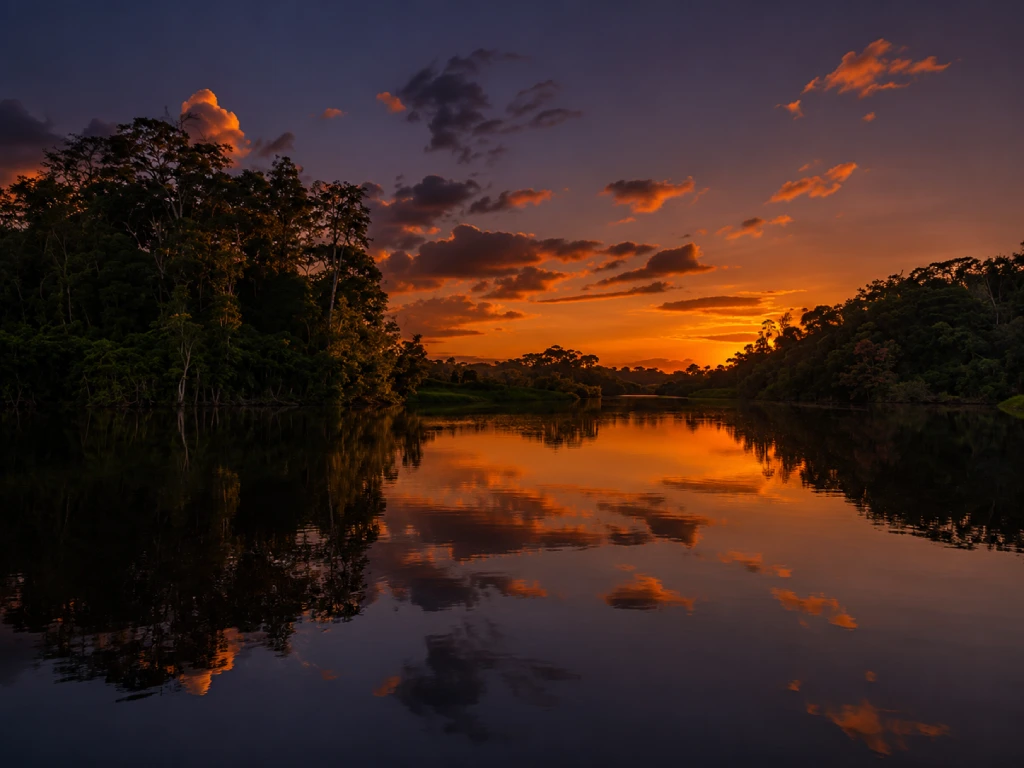
A shopkeeper pulled a display back inside, two neighbours stopped to talk outside a small grocery store and motorbikes still passed every few minutes on their way across town. I only meant to stay for a few minutes, but I didn’t leave until the streetlights came on. I never had the feeling that the town was performing for visitors. It simply happened to be the place where thousands of people begin exploring the Bolivian Amazon.
Practical Things That Made the Trip Easier
I realised quite quickly that I’d packed for the mountains rather than the Amazon. The warmer clothes stayed in my bag. After the first afternoon I started carrying water everywhere because the heat caught up with me faster than I’d expected.
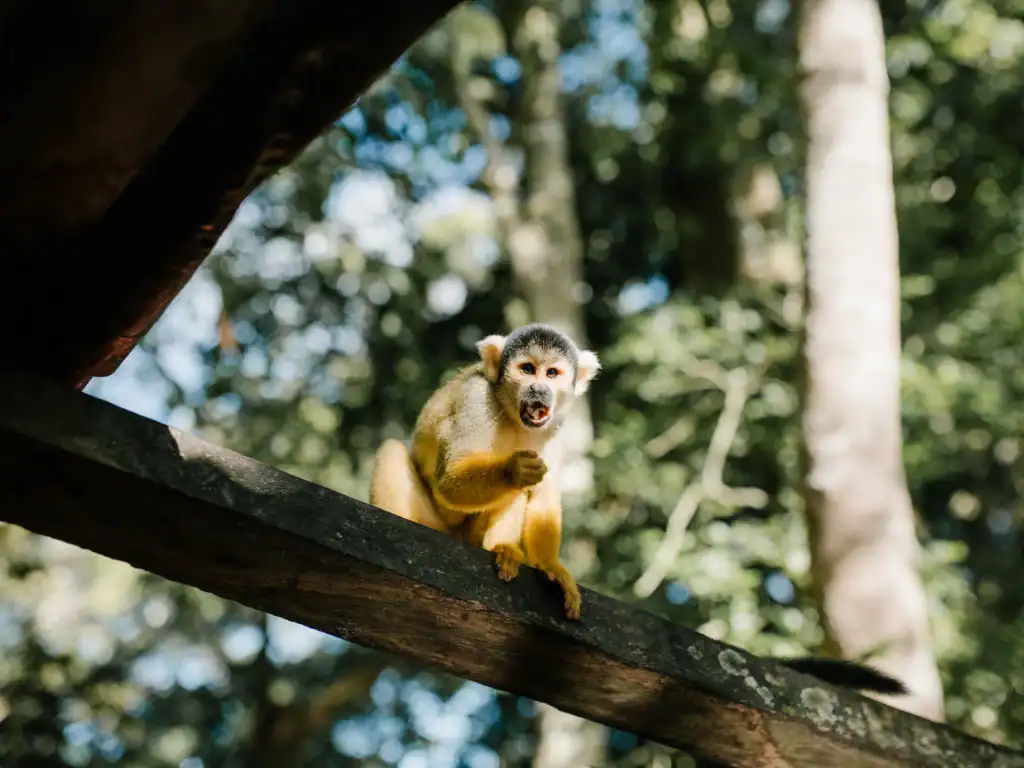
My tour covered transport, meals and accommodation, so apart from carrying enough cash for small purchases around town, there wasn’t much to think about. Getting to Rurrenabaque takes a little more planning than some other destinations in Bolivia, but it’s well worth the journey. I was thankful for the mosquito repellent and waterproof bag after one afternoon shower arrived with almost no warning. I’d happily spend another night in Rurrenabaque, Bolivia, if I went back.
Why I’d Happily Return to Rurrenabaque in Bolivia
I expected the rainforest to be my strongest memory. I still remember the wildlife, especially the hours spent on the river and walking through the forest with our guide. Just as clearly, though, I remember sitting beside the Beni River one evening while another boat was being loaded for the following day.
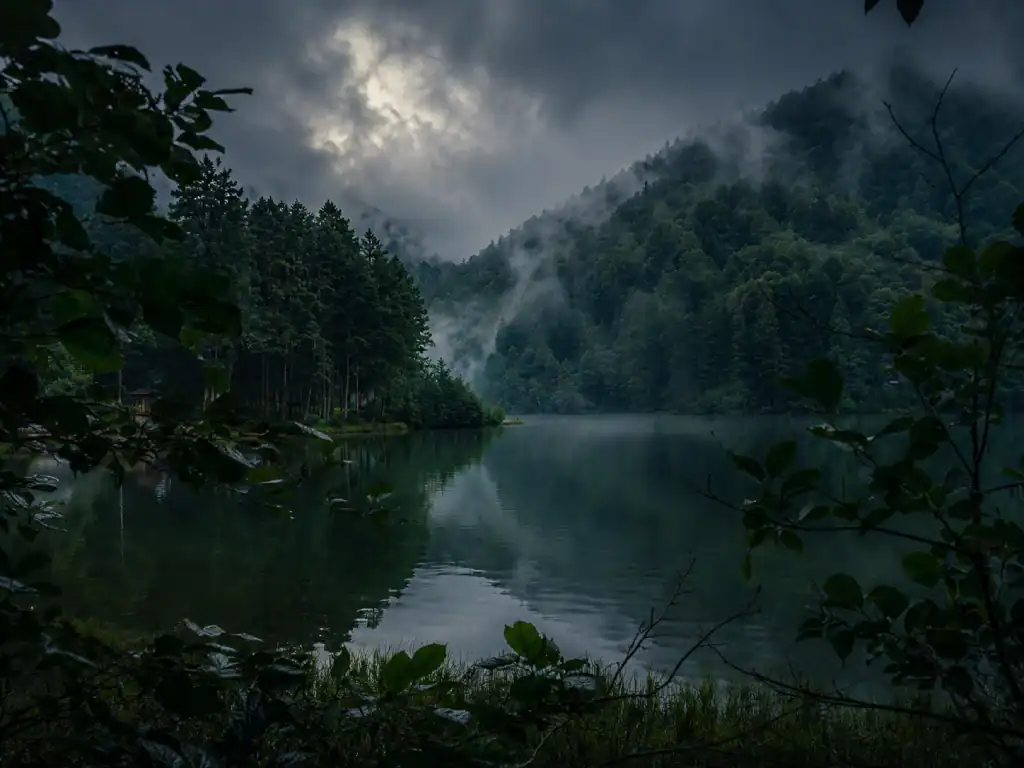
For some reason, that’s one of the first memories that comes back. Those ordinary moments somehow became part of the experience too. That’s probably what I’d tell anyone planning to visit Rurrenabaque Bolivia. Book the tour. The monkeys, capybaras and caimans will probably make it into your photos.
The time around the river might stay with you just as long. Just don’t rush through Rurrenabaque, Bolivia, on your way into the Amazon. It has its own pace, and once you settle into it, you might find yourself remembering that just as much as the Amazon itself.
Happy Travels!