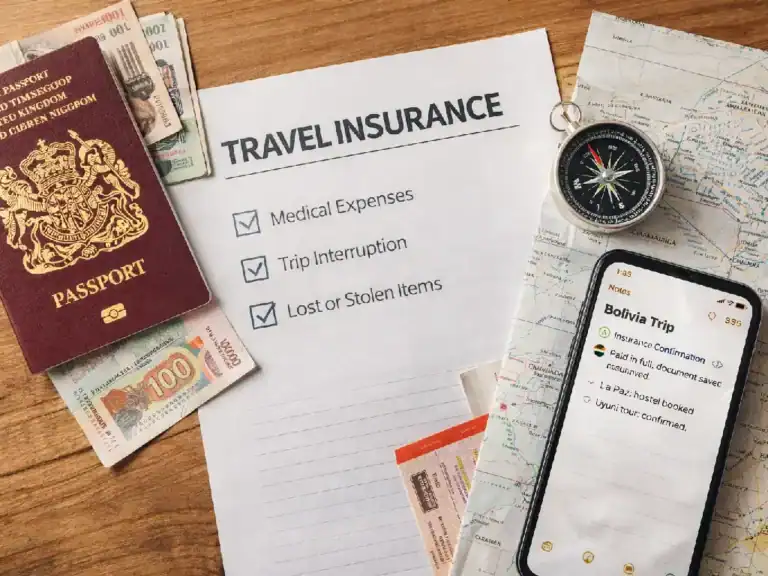
Scams in Bolivia: Common Tourist Mistakes & How to Avoid Them
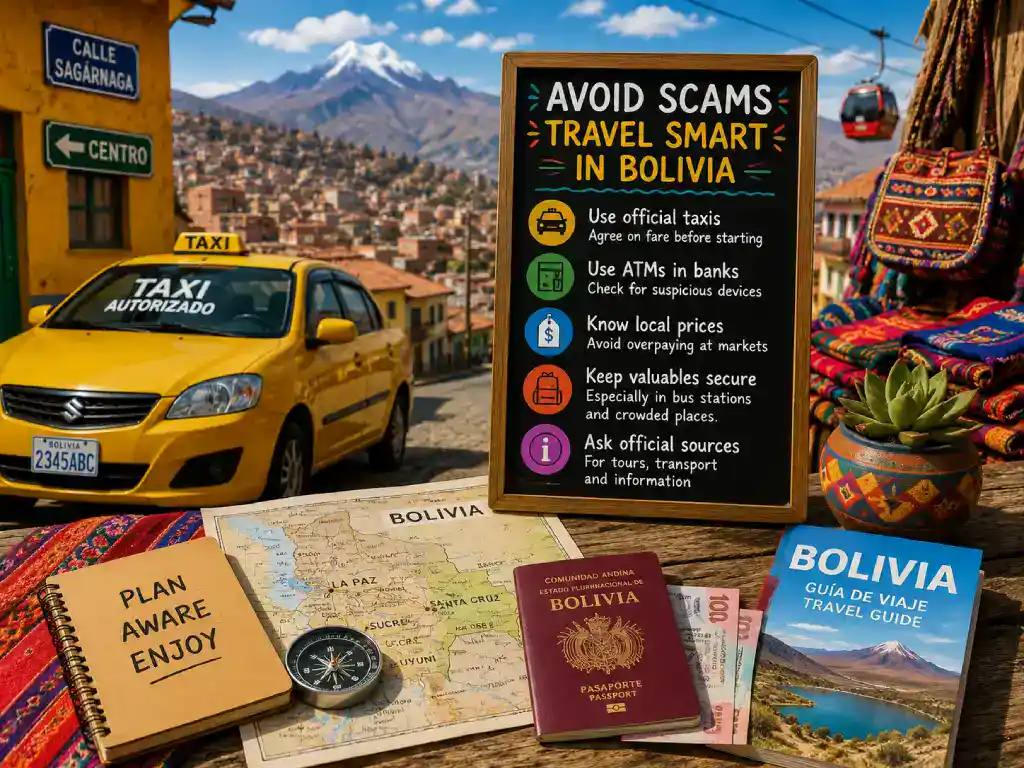
Not every negative travel experience fits the definition of a scam. Quite often, it is simply a visitor paying too much because they do not yet understand local prices or routines.
These situations tend to happen in busy tourist areas rather than ordinary neighbourhoods. Once travellers recognise that, many become much easier to spot.
Bolivia Is Generally Safer Than Some Travellers Expect
Many people researching Bolivia online come away expecting constant danger. The reality usually feels more ordinary once they arrive. Most travellers spend weeks moving around the country without experiencing major problems. If you’re planning an itinerary that includes La Paz and Sucre, it’s worth understanding how the country’s unique capital system works before you arrive. The same is often true for people staying longer in Bolivia, whether they are backpacking for months or working remotely while travelling. That does not mean scams never happen. It simply means everyday awareness matters more than fear.
Petty Theft Causes More Problems Than Serious Crime
Many travel complaints come from surprisingly ordinary situations. A phone is forgotten, a backpack is left unattended, or a wallet becomes easy to spot in a crowd.
In many cases, the issue is not an elaborate scam at all. It is simply someone noticing an opportunity.
Taxi Scams Are Among the Most Common Complaints
Taxi scams appear in many countries and Bolivia is no exception.
Most taxi journeys are completely normal. Problems usually happen when travellers enter unofficial vehicles, fail to agree on prices beforehand, or assume every taxi operates the same way.
Unofficial Taxis Create Most Problems
Taxi problems often happen because travellers have no useful point of comparison. Someone arriving from the airport or stepping out of a bus terminal has no reason to know whether a fare is normal, slightly expensive, or completely unreasonable.
Most drivers are perfectly ordinary, but uncertainty can work against visitors. A price gets quoted confidently, a route feels longer than expected, or the final fare changes after arrival. None of those situations are especially dramatic, yet they remain among the most common complaints tourists share after travelling around Bolivia.
ATM Scams Are Rare but Worth Understanding
ATM scams receive a lot of attention online because they can be expensive when they happen. Fortunately, they are not something most visitors encounter regularly in Bolivia. Even so, travellers should understand how they work.

Skimming Devices Still Exist
Most travellers never encounter card-skimming devices, but the possibility is difficult to ignore because there is usually no obvious warning sign beforehand.
Rather than trying to inspect every machine in detail, many people simply choose ATMs located inside banks or busy commercial areas. The approach is less about fear and more about reducing unnecessary risk where possible.
Watch For Suspicious Equipment
Loose card readers, unusual attachments, hidden cameras, or damaged keypads can all be warning signs. If something looks unusual, using a different ATM is usually the simplest solution.
Overcharging Tourists Happens More Often Than Serious Scams
A lot of what travellers call scams are really overcharging situations. The difference matters because many cases involve someone quoting a higher price rather than committing outright fraud.

Markets And Tourist Areas Sometimes Have Tourist Pricing
Visitors occasionally pay more than locals for souvenirs, transport, or services. That is not unique to Bolivia. It happens across much of the world where tourism exists. Knowing approximate prices beforehand makes these situations easier to spot.
In many cases, the difference is relatively small rather than outrageous. The bigger issue is when travellers have no reference point at all and end up accepting prices that are significantly above normal local rates.
Asking Locals Helps
Accommodation staff, tour operators, restaurant workers, and local friends often provide realistic price expectations. That simple step prevents many overpayment situations before they happen.
Distraction Theft Catches More Travellers Than Expected
A lot of opportunistic theft relies on timing more than anything else. The goal is often not to force a situation but to create a brief moment where someone stops paying attention to their belongings.
A question gets asked, a drink gets knocked over, directions are requested, or something unexpected happens nearby. By the time attention returns to a bag, wallet, or phone, the opportunity has already passed.

Bus Stations Require Extra Awareness
Bus stations have a habit of demanding attention from every direction at once. Schedules change, announcements get missed, luggage needs watching, and people are constantly moving through the same space.
Most travellers navigate it without any issues. The challenge is that keeping track of everything simultaneously is often harder than it sounds.
Keep Important Items Close
Passports, cards, cash, and phones are usually safest when carried securely rather than stored in easily accessible pockets.
Many experienced travellers treat transport days differently from ordinary sightseeing days because of the increased risk.
The goal is not to become overly cautious. It is simply to avoid creating easy opportunities. A phone left on a seat or a backpack placed out of sight for a few minutes can sometimes be all it takes.
Fake Help Can Sometimes Lead to Problems
Most people offering assistance are genuine. Occasionally though, travellers encounter individuals who create a problem and then offer to solve it for money or some form of payment.

Be Careful with Unsolicited Assistance
Few travellers feel completely relaxed while navigating a busy terminal for the first time. Buses are departing, queues are forming, and information can feel unclear.
In those moments, an offer of help can sound appealing simply because it removes uncertainty. The difficulty is that visitors occasionally agree before understanding exactly what is involved, which can create awkward situations later.
Official Sources Are Usually Safer
Tourist offices, accommodation staff, official transport counters, and registered guides generally provide more reliable information. Using official channels removes much of the uncertainty.
Solo Travellers Are Not Automatically Easy Targets
A lot of people worry about travelling alone in Bolivia. In reality, solo travellers often experience the country without major issues. Awareness matters more than group size in most situations.
Confidence Makes a Difference
Travellers tend to attract attention when uncertainty becomes visible. Trying to figure out directions, transport, and travel plans in a busy public space naturally makes someone stand out more than they otherwise would.
A traveller sitting in a café checking directions rarely attracts much attention. The same person standing in the middle of a crowded street looking uncertain is often far more noticeable.
Normal Safety Habits Go a Long Way
Keeping family informed, avoiding isolated areas late at night, and using trusted transport services are all fairly ordinary precautions. None of these habits require dramatic changes to travel plans.
Festivals And Large Crowds Require More Attention
Bolivian festivals can be incredible experiences. They can also create environments where theft becomes easier because crowds are larger, movement is restricted, and attention is focused elsewhere.

Alcohol Changes Risk Levels
Evening environments tend to feel very different from normal sightseeing. People slow down, become more social, and spend less time thinking about practical travel concerns.
That shift is often more important than travellers realise. Many situations later described as scams actually start with attention drifting elsewhere long before anything goes missing.
A few drinks can make that loss of awareness happen faster than people expect, particularly during festivals, nights out, or long evenings with other travellers.
Most Travellers Avoid Problems by Staying Predictable
Experienced travellers rarely rely on complicated anti-scam strategies. Most simply follow routines that reduce opportunities for problems in the first place.
Preparation Prevents Many Issues
Many travel problems begin long before the actual incident itself. They start when somebody is trying to work something out on the spot without enough information to feel confident about the decision.
Transport, prices, payment options, and local routines all become easier once travellers understand how they work. Until then, even fairly ordinary situations can feel unnecessarily stressful.
Awareness Works Better Than Worry
The travellers who enjoy Bolivia most are usually not the ones constantly expecting scams everywhere. They pay attention, use common sense, and understand that most people they meet are simply going about their daily lives.
So, How Do Travellers Actually Avoid Scams in Bolivia?

Before arriving, some travellers spend a surprising amount of time thinking about scams. After arriving, most spend far more time thinking about bus schedules, altitude, food, accommodation, or where they are travelling next.
The situations covered here do happen, but they are rarely the main story. For most visitors, they end up as small moments in a trip filled with far more memorable experiences.
Most travellers end up spending far more time thinking about the places they want to see and experiences they want to have than worrying about scams once they are actually in Bolivia.
Happy Travels!