Bolivia Alcohol Laws and Nightlife Tips for Travellers and Tourists
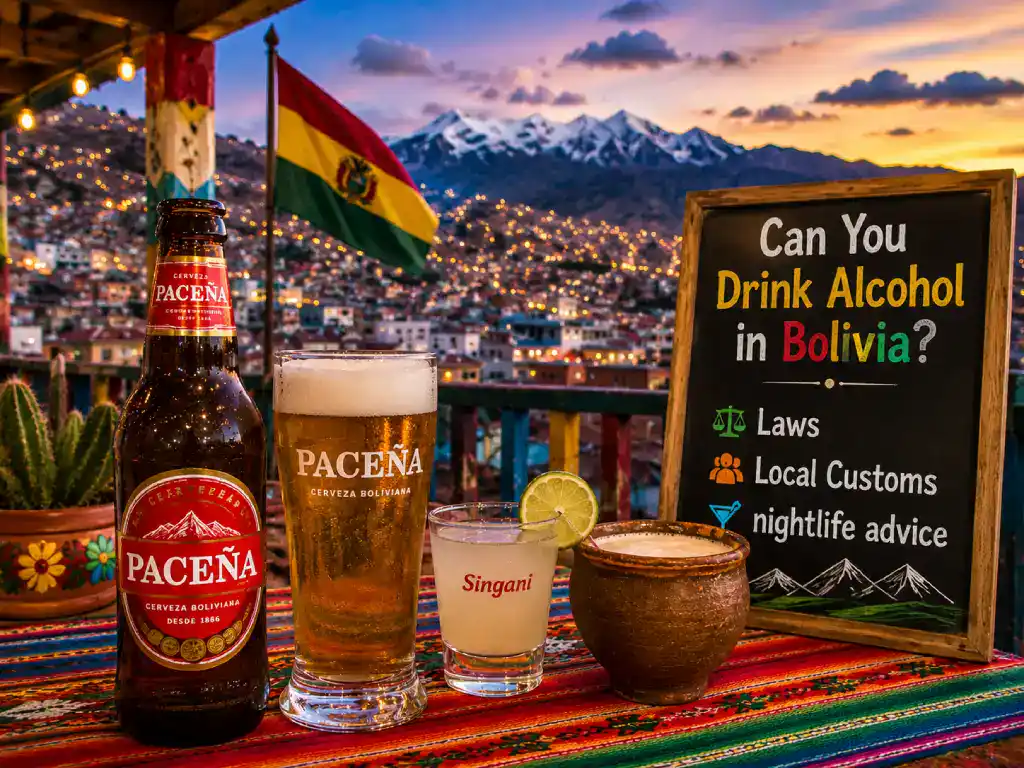
Alcohol is easy enough to find in Bolivia, especially in larger cities and tourist areas. Most travellers drink there without any serious issues. The part people misjudge is usually everything around the drinking itself. High altitude changes how alcohol feels, nightlife areas vary a lot between cities, and exhaustion catches up with travellers surprisingly quickly sometimes.
Drinking Alcohol in Bolivia Is Fairly Normal
In Bolivia, drinking is usually treated as something social rather than unusual. Beer appears at festivals, meals, birthdays, football gatherings, and nights out with friends. Tourists in larger cities normally have no trouble finding bars or nightlife areas either.
What surprises some people is that Bolivia often feels calmer around alcohol than expected.
In many places, people drink socially rather than aggressively. Large public drunken scenes are less common outside festivals.
Beer Is Extremely Common
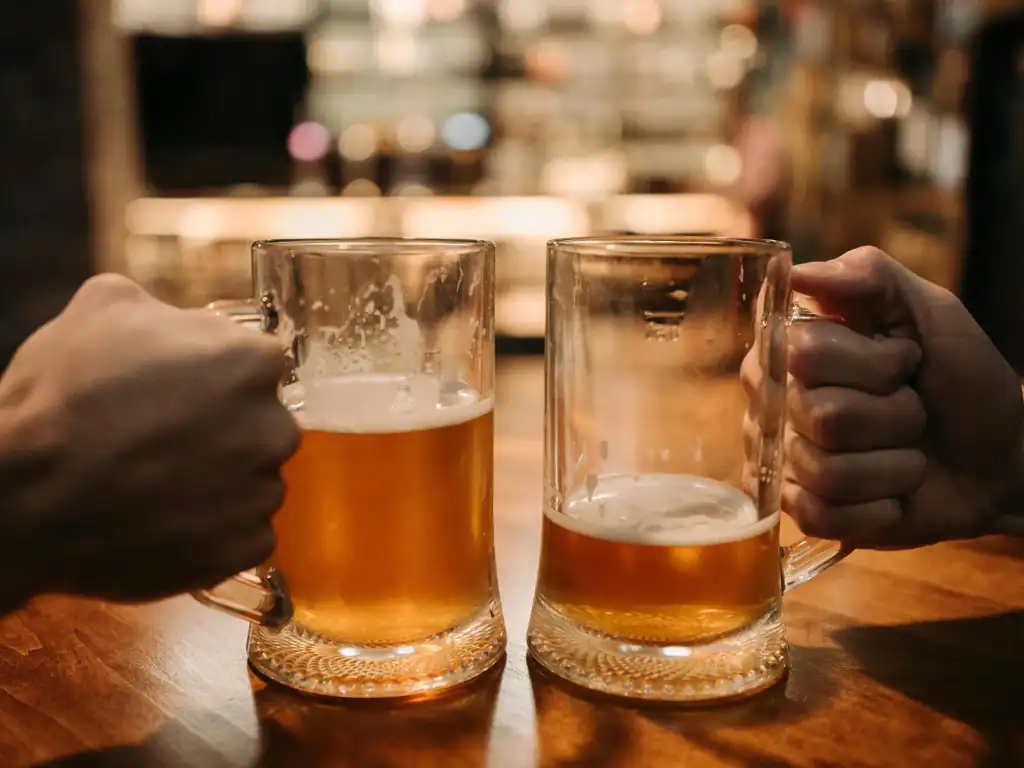
Beer is probably the drink tourists notice most often. Brands like Paceña, Huari, and Taquiña appear in restaurants and small shops across Bolivia. Beer is usually inexpensive compared to Western Europe. Groups often share large bottles around a table instead of everyone ordering separate drinks.
Traditional Drinks Still Matter
Bolivia also has traditional drinks tourists sometimes overlook. Chicha, usually made from fermented corn, appears in certain regions. Singani is another local drink travellers see regularly in bars and restaurants. What feels common in one part of Bolivia may barely appear somewhere else.
Not Every Traditional Drink Contains Alcohol
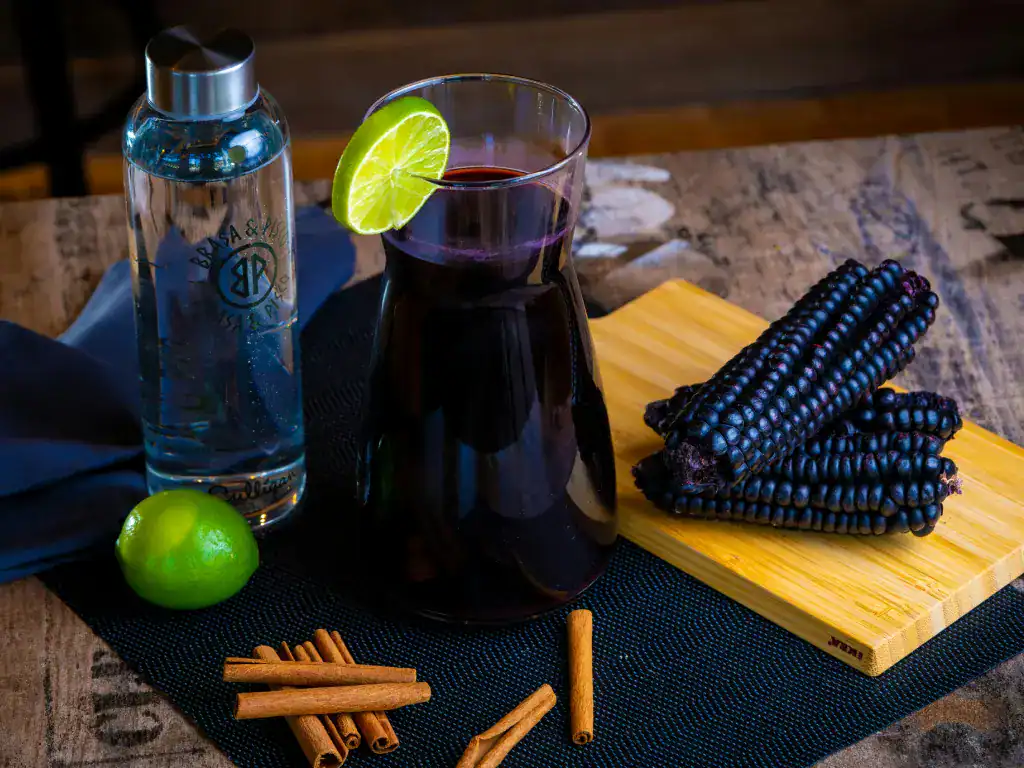
Drinks like api are popular in Bolivia but are not alcoholic. People often drink hot purple or white api in the mornings with pastries or fried snacks. Some travellers assume all traditional drinks contain alcohol. That is not really true.
The Legal Drinking Age in Bolivia
Bolivia’s official drinking age is 18.
In bigger cities, some bars and clubs check identification more carefully, especially around younger nightlife crowds. Smaller shops and quieter areas can feel less formal by comparison.
Most tourists in their twenties or older will probably never get asked for ID.
Public Drinking Depends on the Situation
Public drinking rules in Bolivia can feel inconsistent. You sometimes see alcohol during festivals or football celebrations without much attention from police. In ordinary public spaces though, visibly drunk behaviour can still create problems. Attention usually depends more on behaviour than alcohol itself.
Drinking And Driving Is Taken Seriously
Bolivia has strict drink-driving laws and police checkpoints appear regularly in some cities, especially at night. Getting stopped after drinking is not something tourists should risk. Taxis and rideshare apps are usually cheap enough that driving after drinking makes little sense anyway.
Altitude Changes How Alcohol Feels
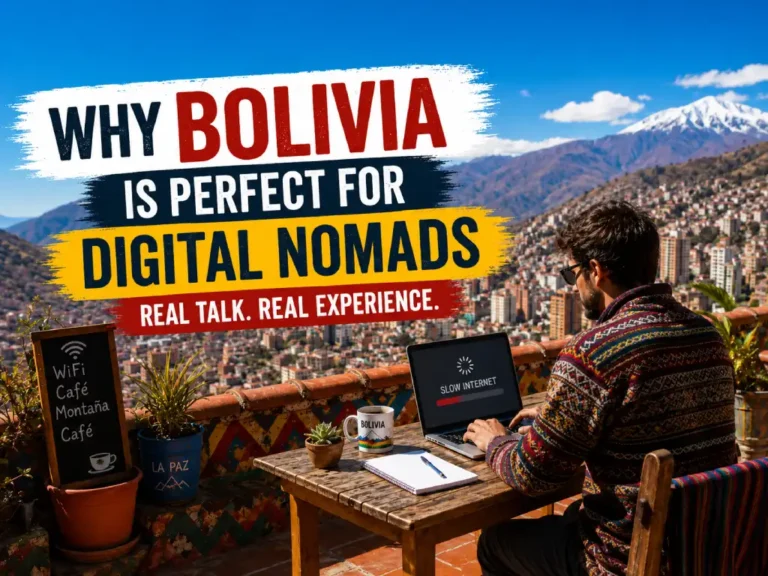
A lot of travellers notice this almost immediately in La Paz. Drinking at high altitude can hit harder than expected, especially during the first few days in Bolivia. People often feel drunk faster, dehydrated faster, and more tired than normal. That combination catches tourists off guard constantly.
The First Night Is Usually the Worst
Travellers sometimes treat their first night in La Paz like any other city. Then the altitude kicks in. A few drinks suddenly feel much stronger than expected, especially after long flights or overnight buses.
Dehydration becomes part of the problem too. Most experienced travellers slow down for the first day or two instead.
Hangovers Feel Different at Altitude
People talk about altitude sickness a lot before Bolivia. Fewer mention the hangovers. People often blame altitude first when they feel terrible the next morning. In reality, dehydration and alcohol are usually part of the problem too. Bolivia’s dry air does not help much either. Staying hydrated matters far more than most travellers expect.
Nightlife In Bolivia Depends Heavily on the City
People sometimes imagine nightlife in Bolivia will feel similar everywhere. It really does not.
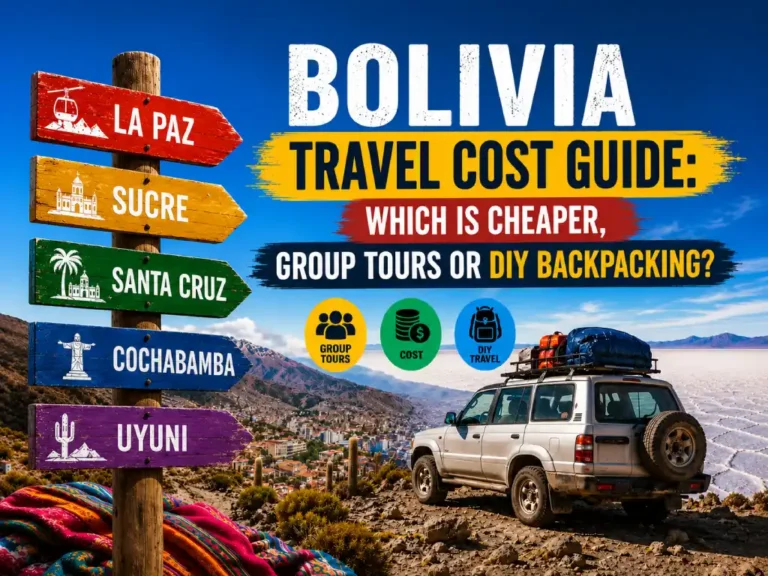
Santa Cruz, La Paz and Sucre all have different rhythms once the evening starts. Some cities stay active late while others slow down much earlier at night. That contrast surprises travellers fairly often.
La Paz Has the Most Well-Known Nightlife
La Paz is where many backpackers and younger travellers go out drinking. Areas like Sopocachi have bars, clubs, restaurants, and live music venues that stay busy late into the night. At the same time, nightlife areas can change quickly street by street. One block feels lively, then suddenly things become quieter.
Santa Cruz Feels More Relaxed and Modern
Santa Cruz feels different from La Paz. The lower altitude changes things immediately. Nights feel warmer and people stay out later. Some travellers prefer going out there because the altitude feels less exhausting.
Smaller Cities Feel More Local
Going out in cities like Sucre or Cochabamba feels slightly different from the bigger nightlife spots. There are still bars, restaurants, and places to drink, though the atmosphere often feels more local overall. Tourists usually notice fewer backpacker crowds there. In some ways, the experience feels more relaxed.
What Tourists Often Miss About Drinking in Bolivia
Most problems tourists run into are not really about Bolivia’s alcohol laws. They usually happen because people misread situations, underestimate how tired they are, or become too relaxed in places they do not know well yet.
Taxis Matter More Than People Expect
A lot of locals use taxis at night, even for short distances. Tourists who try walking everywhere late at night sometimes end up uncomfortable quickly. Registered taxis or rideshare apps are usually safer.
Overconfidence Causes Problems
Bolivia does not feel dangerous all the time, though tourists occasionally get careless after drinking. Most problems come from ordinary situations rather than serious crime. Phones left behind, unfamiliar streets after dark, or getting into the wrong taxi are much more common stories.
Festivals Can Feel Wild
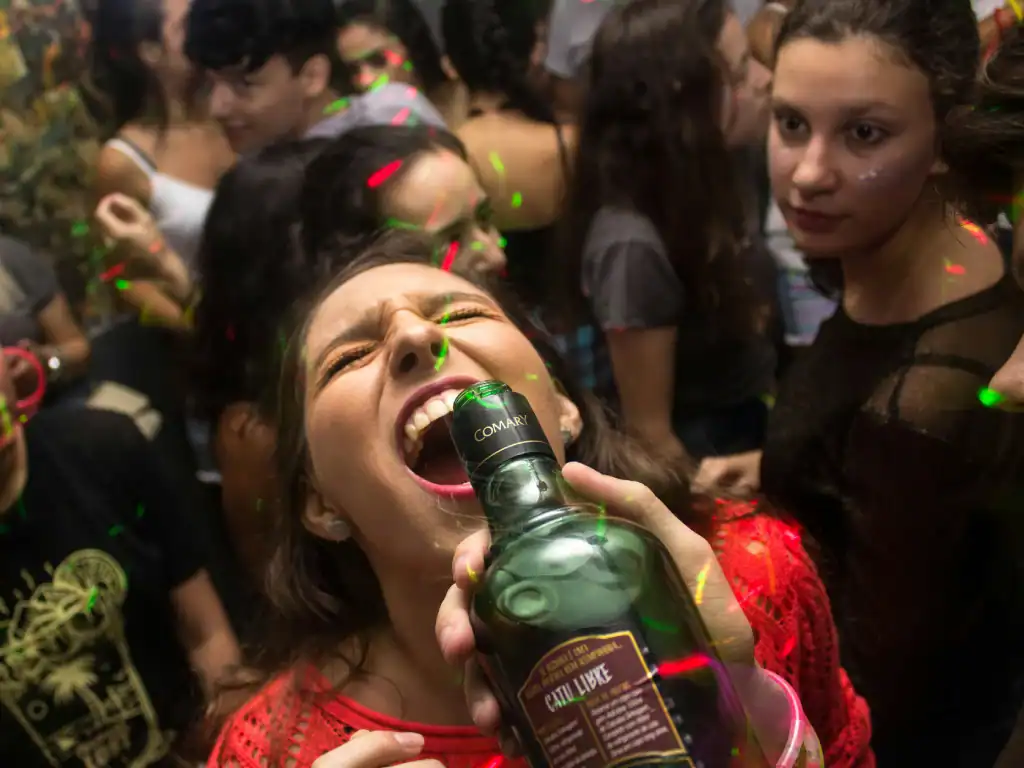
Bolivian festivals are often louder and more chaotic than tourists expect. Alcohol becomes far more visible during Carnival and major celebrations. Music, beer, crowds, and dancing can continue for hours.
Some travellers love the atmosphere. Others find it overwhelming. A lot of Bolivia’s most memorable experiences happen during festivals, local celebrations, and long nights that turn unexpectedly social once you start travelling around the country.
Alcohol Is Usually Affordable for Tourists
Travellers coming from Europe or North America often find alcohol relatively cheap in Bolivia. Beer usually costs less than expected in local bars and restaurants, particularly outside tourist areas. Imported drinks and cocktails become pricier, though still often feel reasonable overall. Local neighbourhood bars also tend to cost much less than tourist nightlife venues.
Imported Alcohol Costs More
Imported alcohol tends to stand out price-wise in Bolivia. Whisky, vodka, and other international spirits often cost noticeably more than local drinks. Many travellers eventually stop bothering and stick with Bolivian beer or singani instead.
Cash Is Still Useful in Smaller Bars
Some bars and local restaurants still prefer cash. Card payments are common in larger cities, though not everywhere. Travellers relying only on cards occasionally run into awkward situations late at night. Keeping smaller cash notes helps.
Can Tourists Drink Safely in Bolivia?
For most travellers, yes.
Millions of people drink socially in Bolivia every year without serious problems. Most nights out are completely uneventful. The main thing is understanding that Bolivia is not identical to home. Altitude changes alcohol tolerance, nightlife areas vary, and local habits around safety sometimes differ from what tourists expect.
Simple Precautions Usually Go a Long Way
Most experienced travellers follow fairly ordinary precautions. They stay aware of surroundings, avoid unofficial taxis, drink more water at altitude, and avoid carrying valuables loosely after dark.
After a while, it simply becomes part of travelling normally.
Final Thoughts
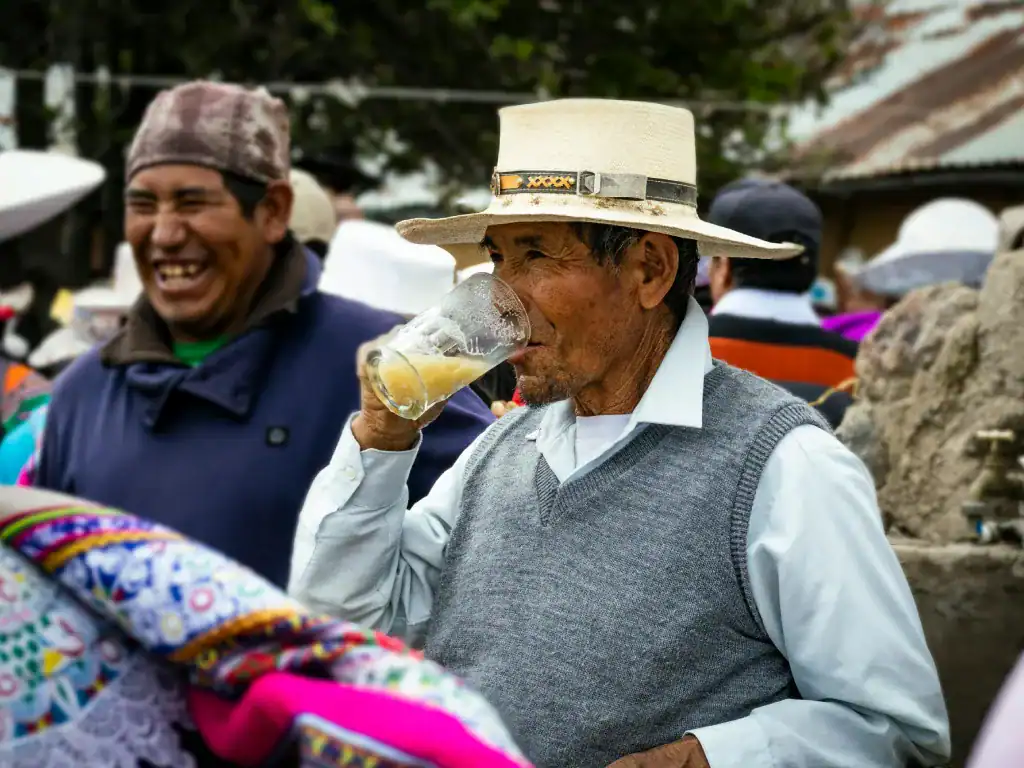
For most travellers, drinking in Bolivia feels fairly straightforward. Some people end up exploring nightlife in La Paz, others try traditional drinks during festivals or weekends away. Alcohol itself is rarely the surprising part.
The bigger adjustment is usually everything surrounding it. It is how different the experience can feel because of altitude, local customs, city culture, and the pace of life around you.
Travellers who stay flexible and pay attention usually enjoy Bolivia’s nightlife and drinking culture without much trouble at all.
Happy Travels!