Crossing Into Bolivia by Land: Border Tips and What to Expect
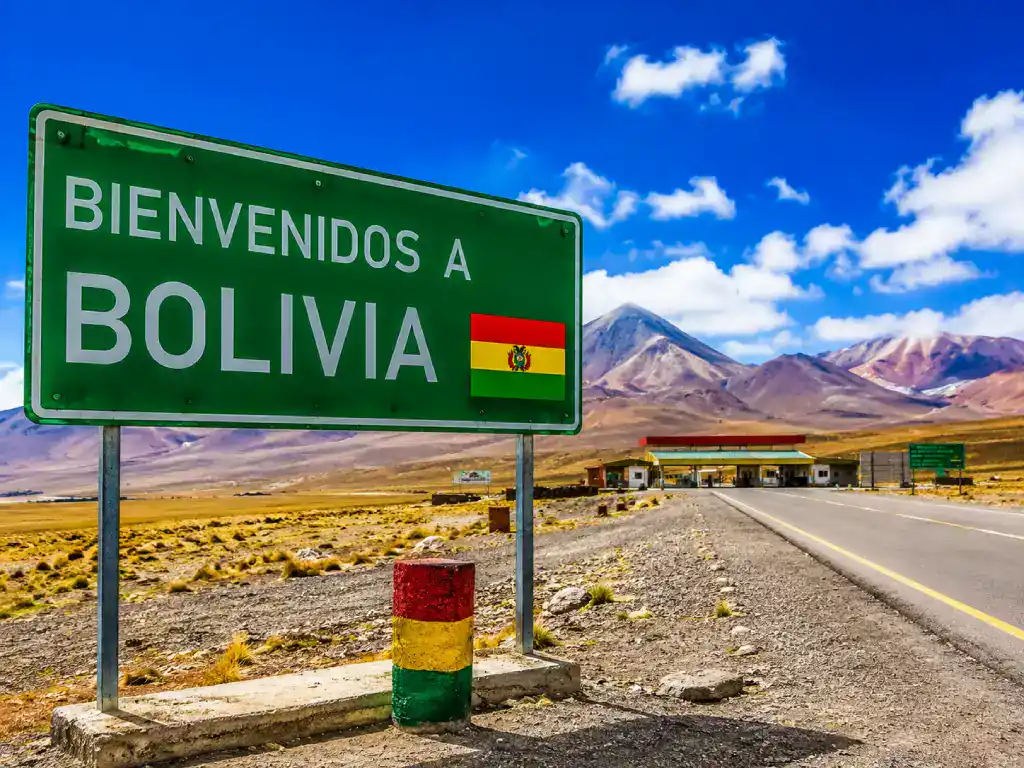
Crossing Bolivia’s land borders is usually less difficult than people expect. At first, the whole process can feel a little confusing. One queue turns into another queue, people move around suddenly, and sometimes nobody explains much at all.
Most travellers still get through perfectly fine in the end. It just takes a bit of patience. Things rarely feel polished, but they generally work out.
A lot depends on which border crossing you use. Some feel busy and straightforward. Others feel remote or slightly chaotic. Long bus queues, handwritten paperwork, unclear directions, and travellers wandering around confused are all fairly common.
That sounds stressful on paper. In reality, things just move at their own pace.
What Border Crossings into Bolivia Are Actually Like
People often expect dramatic South American borders. Bolivia usually feels more relaxed.
At many crossings, buses stop near immigration buildings and everyone gets off carrying passports.
Some borders are surprisingly small. You may just see a few offices, buses, food stalls, and travellers outside. The process is straightforward. Exit one country, then enter Bolivia.
Things Can Feel Disorganised at First
This catches travellers off guard constantly. Signs are not always clear. Staff may point people in different directions. Some border areas feel crowded while others look almost abandoned. It does not necessarily mean something is wrong. Bolivia’s land borders often operate with a slightly improvised feeling compared to airports.
Buses Usually Wait for Passengers
One thing that surprises people positively is that long-distance buses generally wait while passengers handle immigration. Drivers and staff already know the routine. Everyone gets off together, queues for stamps, then returns to the bus afterwards. That said, travellers still need to pay attention. If you wander off too long or stop for food without checking timing first, things can get stressful quickly.
Crossing The Peru–Bolivia Border
Travellers moving around South America overland often reach Bolivia through Peru first. Routes near Lake Titicaca and Puno are especially common with backpackers. A lot of people cross through Desaguadero, even if the atmosphere there feels a bit chaotic at times.
Desaguadero Feels Busy and Slightly Chaotic
The first impression of Desaguadero is often just noise and movement everywhere. People selling snacks, buses pulling in, luggage being dragged across the street, taxi drivers calling out, travellers looking confused. It can feel disorganised at first glance. That said, crossing the border itself is normally straightforward enough once you figure out where to go.
Lake Titicaca Routes Feel More Relaxed
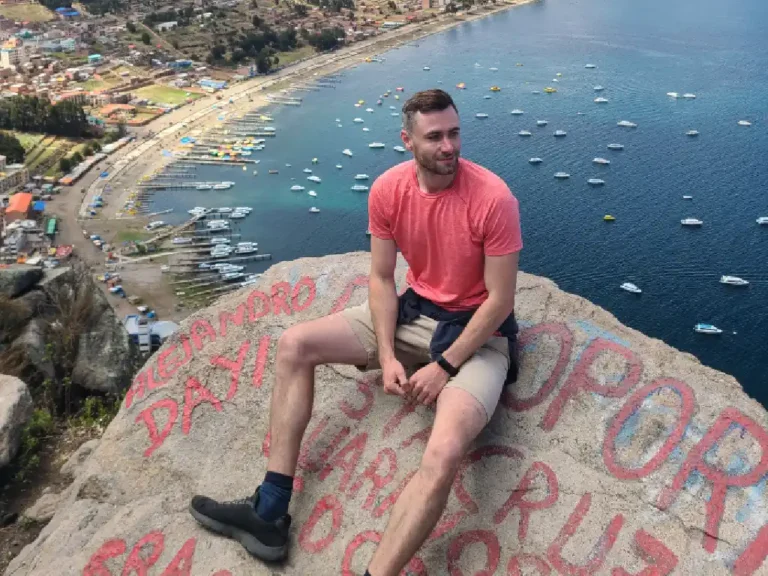
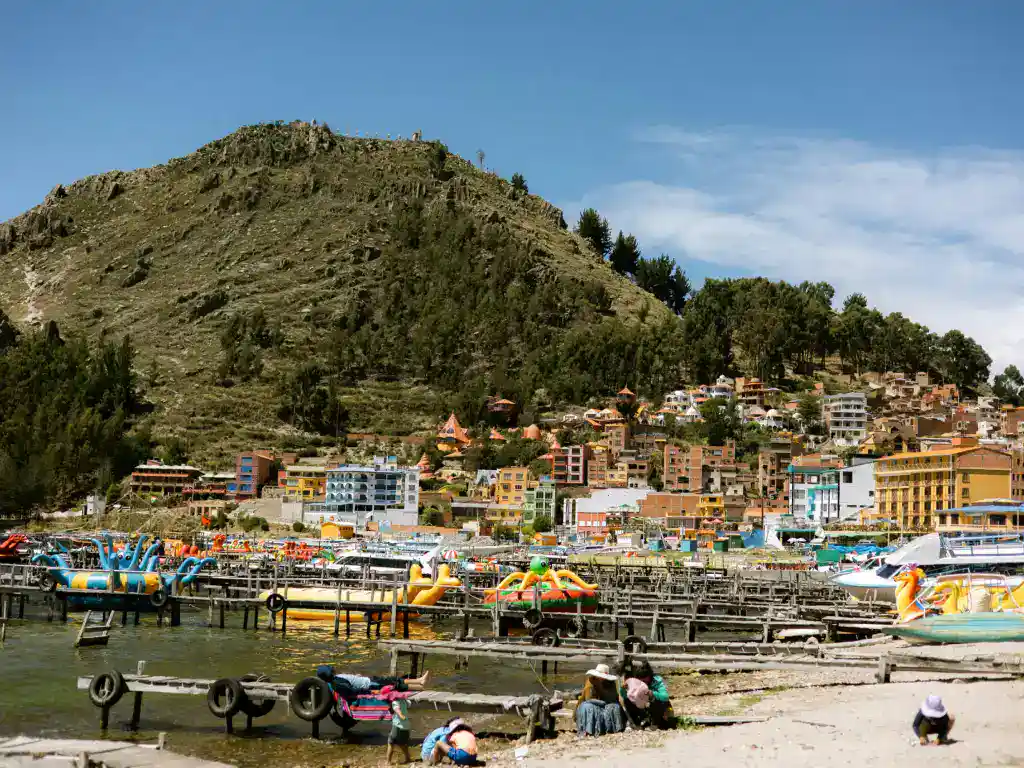
Some travellers cross near Lake Titicaca instead, particularly around Copacabana. These routes usually feel calmer and more scenic than Desaguadero. The atmosphere is slower, there are fewer crowds, and the views alone make the journey feel more enjoyable. Border formalities still take time though. South American land borders rarely move especially quickly.
Crossing Between Chile and Bolivia
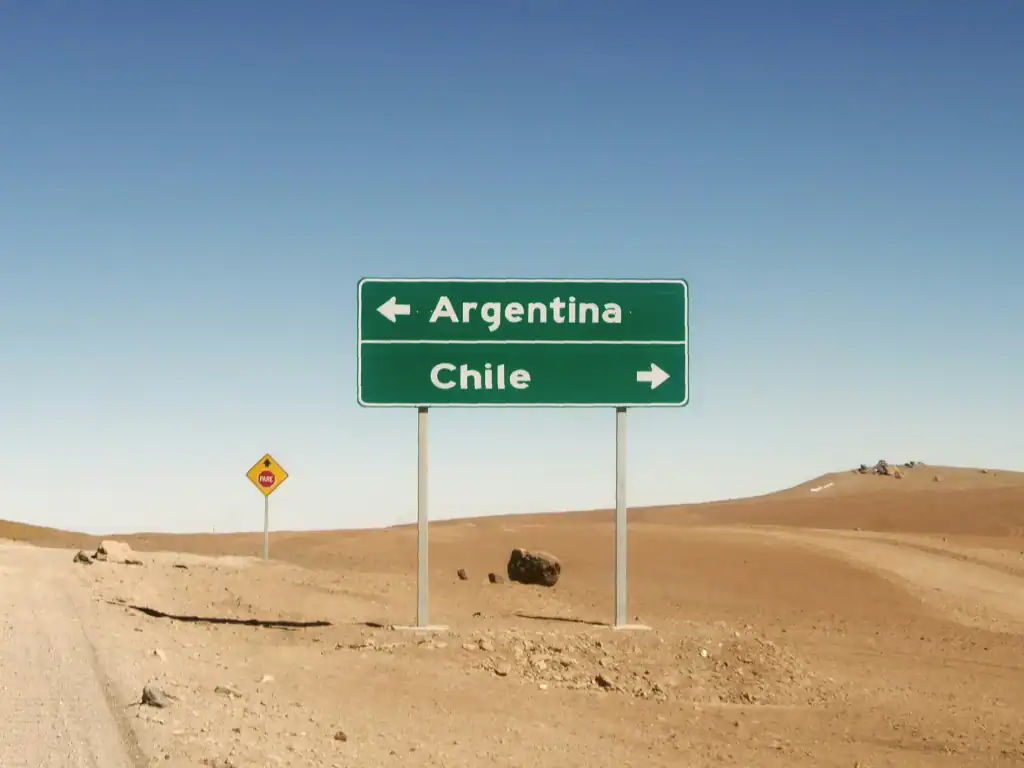
The Chile–Bolivia border often feels more remote than people expect. Travellers crossing near the Atacama Desert or Uyuni routes sometimes spend hours surrounded by mountains, desert landscapes, and almost nothing else.
Weather And Altitude Affect the Experience
Some travellers realise pretty quickly that the difficult part is not actually immigration. It is the altitude, weather, dry air, and standing around outside longer than expected. People arriving from lower elevations sometimes feel drained before the crossing is even finished. Water, snacks, sunscreen, and an extra layer help more than most first-time travellers realise.
Delays Are Fairly Common
Border delays between Chile and Bolivia happen regularly. Road conditions, weather, shift changes, and bus schedules all affect timing. Some travellers cross quickly while others wait around for hours with very little explanation. That unpredictability is honestly part of overland travel in this region.
Bolivia–Brazil Border Crossings Feel Different Again
Crossing between Bolivia and Brazil feels noticeably different from Peru or Chile. The climate changes, the language changes, and the border towns often feel busier commercially.
Language Barriers Become More Noticeable
Spanish suddenly becomes less useful once you start moving into Brazil. A lot of travellers realise quickly that very few people switch comfortably between Spanish, Portuguese, and English at smaller border crossings. Simple things like transport, money exchange, or directions can become harder than expected.
Some Border Towns Feel Rough Around the Edges
Border towns between Bolivia and Brazil can feel slightly unpredictable at times. There is usually a lot happening at once. Trading, transport, people moving around constantly, money changing hands everywhere. Some travellers find the atmosphere uncomfortable, especially at night. Most problems are still fairly minor though. Theft and overcharging are far more common than serious crime.
What Immigration Officers Usually Ask For
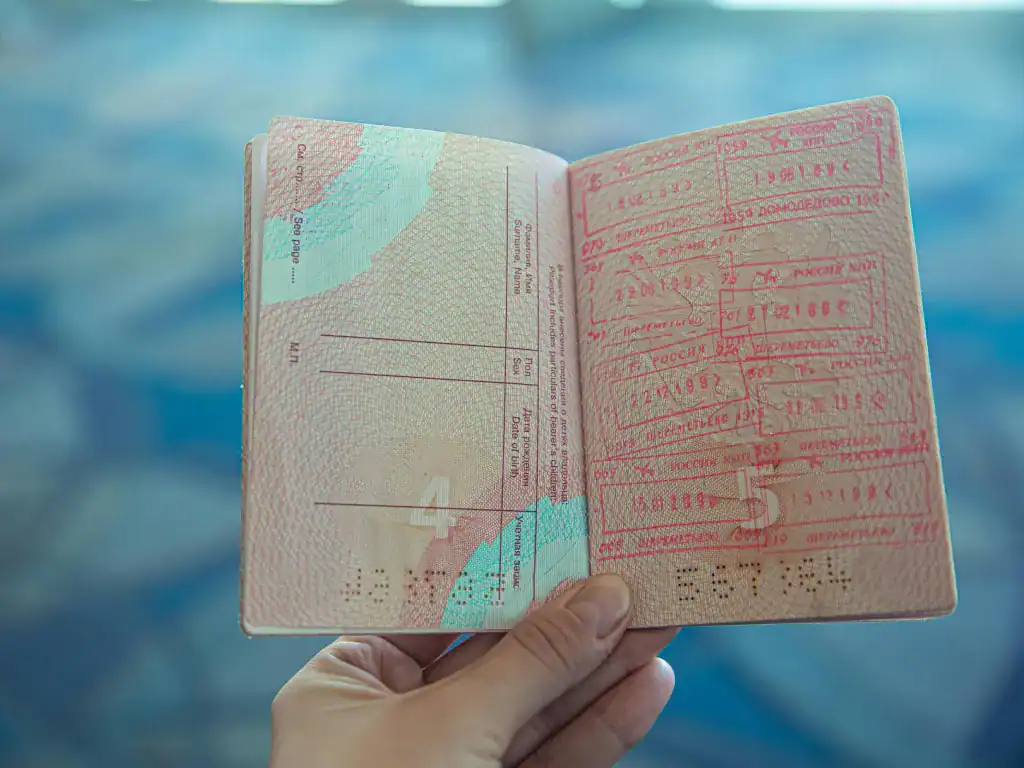
The immigration side of things is usually less dramatic than travellers imagine beforehand. If you’re curious about why Bolivia has two capitals, it’s another example of how the country’s political system can be a little different from what travellers expect. Most officers simply ask for a passport and a few travel details. Occasionally they ask about onward transport or accommodation, though not always. A lot depends on the border crossing, the time of day, and honestly just who is working there.
Visa Rules Depend on Nationality
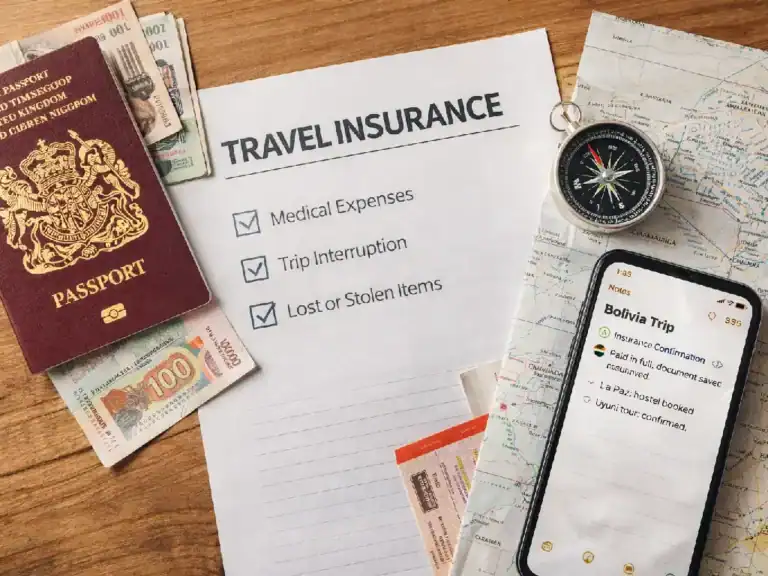
This part matters more than people expect. Some travellers can enter Bolivia without arranging anything beforehand. Others need visas, documents, passport photos, or proof of vaccinations. Rules also change occasionally, which is why checking official entry requirements before travelling matters.
Yellow Fever Certificates Sometimes Come Up
Not every traveller gets asked about yellow fever vaccination certificates, but it does happen. This is more common when arriving from countries or regions considered higher risk. Some border officers barely mention it. Others check carefully. It really depends on the crossing and the day.
Customs Checks Are Usually Simple
Most travellers get through customs without much happening. Normal backpacks rarely attract much attention. Larger suitcases, drones, electronics, or anything that looks commercial usually gets noticed more quickly by customs officers. The process still tends to be fairly casual compared to some airports.
Bags Are Sometimes Checked Randomly
Some travellers walk straight through customs without anyone looking at their luggage. Others get asked to open bags briefly. Usually, the checks are quick and fairly casual. The process often feels inconsistent rather than strict.
Money Exchange Around Borders Can Be Messy
Border towns almost always have people offering currency exchange. Rates are not always great, and travellers sometimes feel pressured into changing money quickly. Using smaller amounts at first is usually safer until you understand the local rates better.
Common Problems Travellers Run Into
Most Bolivia border crossings are more tiring than dangerous. Still, the same complaints appear repeatedly among overland travellers.
Long Waiting Times
This is probably the biggest frustration. Buses arrive together, paperwork slows down, computers stop working, or staff disappear temporarily. Suddenly a quick crossing becomes a two or three-hour wait. Travellers who stay patient usually handle the experience much better.
Confusing Instructions
Different officials sometimes tell people different things. One queue suddenly becomes another queue. Someone stamps one document but ignores another. Travellers occasionally walk into the wrong office without realising. It feels chaotic sometimes, though most people still get through eventually.
Practical Tips Before Crossing into Bolivia by Land
Most border problems become easier when travellers prepare properly beforehand. A few small habits make a surprisingly big difference.
Keep Documents Easy to Reach
A lot of travellers only realise this after standing in a border queue for twenty minutes. Trying to find passports or documents buried under clothes gets frustrating fast once buses start moving again. Keeping important things somewhere accessible makes the whole process feel much easier.
Carry Small Cash and Snacks
A lot of travellers only realise this once they arrive somewhere remote and the bus suddenly stops for an hour longer than expected. Not every border crossing has working ATMs, reliable card payments, or proper food nearby. Water, snacks, tissues, and smaller cash notes end up becoming useful surprisingly quickly.
Is Crossing Borders in Bolivia by Land Worth It?
Yes, for most people.
Crossing borders by land in Bolivia is not really about comfort. Things move slowly sometimes and not everything feels organised. But you see changing landscapes, small towns, local markets, roadside bus stops, all the little things that disappear when people travel entirely by plane.
That is really the trade-off with Bolivia. Things do not always feel polished or efficient. But they usually feel real.
Happy Travels!