Bolivia at Night: Safety Tips, Taxi Advice & Common Tourist Risks
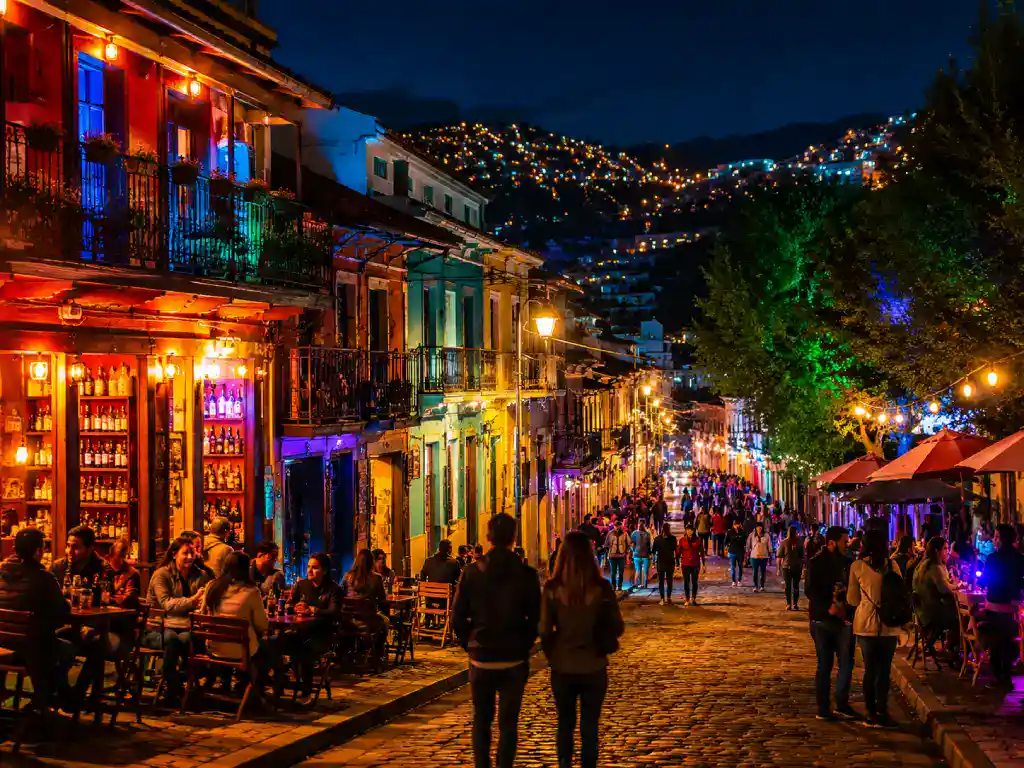
Honestly, most travellers get around Bolivia at night without much trouble. The bigger issue is usually petty theft rather than anything violent. Even so, the mood changes after dark, especially in larger cities.
In places like La Paz, one of Bolivia’s unusual capital arrangements, you notice it quickly. Busy restaurants, traffic, music, people everywhere, then suddenly a quieter street appears and the whole atmosphere feels different. Less movement. Less lighting. Fewer people around.
Local people already know which places feel fine late at night and which ones do not. That is why many of them stop walking longer distances after dark and just grab a taxi instead.
That is probably the best way to approach Bolivia too. Not paranoid. Just switched on a bit more.
Is Bolivia Safe at Night for Tourists?
Generally, tourists are fine in Bolivia at night. Petty theft is the thing people mention most, not violent crime. Phones disappear. Bags get snatched occasionally. Taxi scams happen now and then. It is usually opportunistic stuff rather than organised attacks on tourists.
Most travellers who run into problems were either heavily distracted, drunk, wandering around empty streets late at night, or using unofficial transport.
Some Places Feel Completely Different After Dark
This catches people off guard sometimes. A neighbourhood can feel normal during the afternoon, then much quieter once shops close. Fewer people, less traffic, darker streets. The atmosphere changes quickly.
Tourist Areas Tend to Stay Safer Longer
Areas with restaurants, bars, cafés, and hotels usually stay busy later into the evening. Parts of La Paz and Santa Cruz still have nightlife and people walking around at night. Quiet streets are usually where people start feeling less comfortable.
What Do Locals Actually Think About Night Travel?
Most Bolivians will not tell you to avoid going out at night completely. They go out themselves all the time. What they usually say is something closer to, “be careful where you go”. That sounds obvious, but there is a reason locals repeat it so often.
People Change Their Habits at Night
You notice small things after a while. Locals often put phones away while walking. Many avoid flashy jewellery at night. People also use taxis for short distances they might walk during the daytime. Groups leaving bars usually leave together instead of splitting up alone. It does not feel dramatic when you are there. It is just normal behaviour.
Taxis Matter More Than People Expect
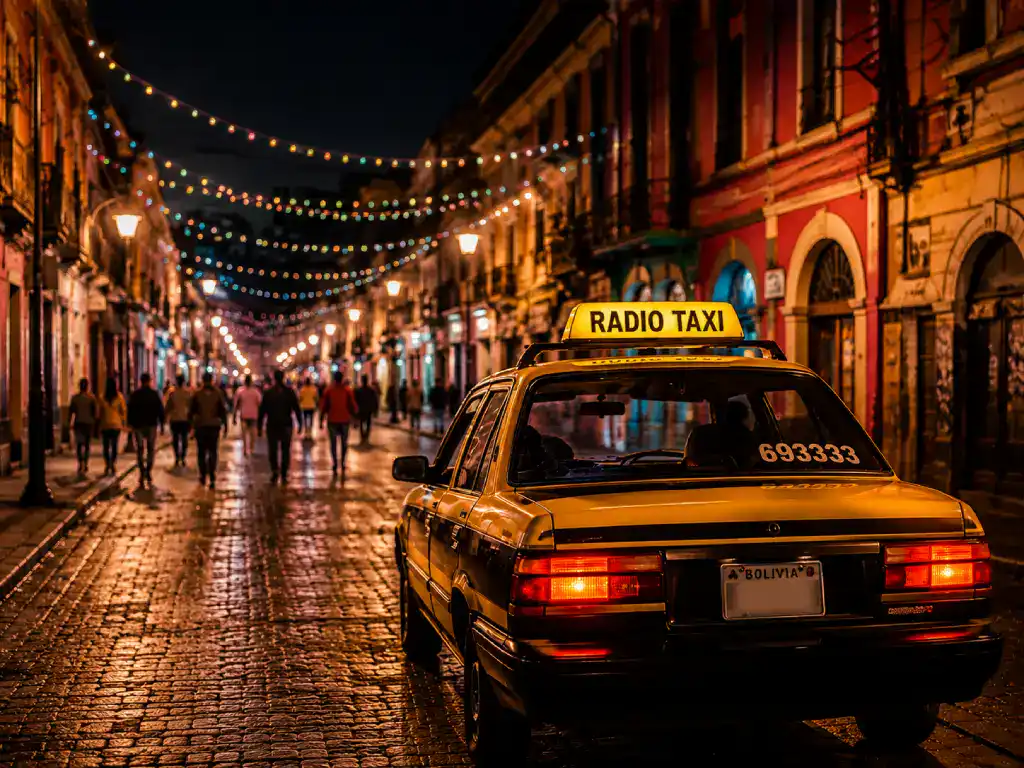
Transport is a big part of staying safe in Bolivia at night. Most locals prefer radio taxis or rideshare apps where available. Random taxis on quiet roads make people uneasy, especially late at night. Taxi rides are usually cheap compared to Europe or North America, which is why many people avoid unnecessary walking after dark. A lot of taxis still prefer cash as well, especially later at night or outside the busiest tourist areas.
Is La Paz Safe at Night?
La Paz worries a lot of first-time visitors. Mostly because it looks chaotic at first. The city is steep, crowded, noisy, and built into the mountains in a way that feels slightly overwhelming when you first arrive. Add the altitude on top of that and people can feel disoriented pretty quickly. Still, many travellers end up liking La Paz more than they expected.
Some Areas Feel Busy and Normal at Night
Sopocachi is usually the area travellers mention most positively. There are bars, cafés, restaurants, tourists, and locals heading home from work. It feels active rather than deserted. Parts of the city centre also stay busy later into the evening. Empty streets are where people become more cautious.
El Alto Has a Different Reputation
El Alto comes up in safety conversations constantly. Even Bolivians from other parts of the country sometimes describe it as somewhere they avoid late at night unless necessary. That does not mean every street is dangerous. Still, most tourists have little reason to wander around there after dark.
Late airport arrivals are the main situation travellers worry about. Pre-arranged transport usually helps.
Are Overnight Buses in Bolivia Safe?
Most backpackers end up taking overnight buses in Bolivia sooner or later. Distances are long and domestic flights are not always cheap. The buses themselves are usually fine. The bigger concerns are theft and road safety.
Keep Valuables Close to You
Leaving phones, passports, or wallets loose while sleeping on buses is not a good idea. Most theft on buses is opportunistic. Someone notices a bag unattended during a stop and that is enough.
Some Roads Are Rough
Bolivia’s geography is beautiful, though long overnight drives can be exhausting. Mountain roads, fog, and bad weather can make certain routes feel more difficult than expected. Paying slightly more for a reputable bus company is usually worth it.
Nightlife In Bolivia Is Usually Fine, With A Few Caveats
Cities like La Paz and Santa Cruz have decent nightlife scenes. Travellers go out all the time without issues. The problems normally start later into the night once people become careless.
Altitude And Alcohol Can Sneak Up on You
This happens to travellers constantly in La Paz. A few drinks at high altitude can hit harder than expected, especially after arriving recently. People get drunk and tired faster, which usually leads to worse decisions at night.
Unofficial Taxis Cause a Lot of Worry
Taxis come up repeatedly when travellers talk about bad experiences in Bolivia at night. Usually, it is overcharging or uncomfortable situations rather than serious crime. Most locals prefer registered taxis for a reason. Hotels and hostels will often call one for you anyway.
Is Bolivia Safe for Solo Travellers at Night?
Bolivia has a huge backpacking scene, so solo travellers are everywhere. Most have good experiences overall. But travelling alone at night obviously requires more awareness than moving around with a group.
Solo Female Travellers Tend to Be More Careful
Many women travelling alone in Bolivia say they became more cautious after dark. Catcalling happens sometimes in nightlife areas, and empty streets can feel uncomfortable late at night. That does not stop people from going out. It mostly changes how they plan transport and evenings.
Men Still Get Targeted Too
Some male travellers assume they do not need to worry as much. But theft in Bolivia is usually about opportunity more than gender. Someone drunk or distracted attracts attention quickly. Long-term travellers also tend to become more relaxed over time.
Common Problems Travellers Mention at Night
Most nighttime problems in Bolivia are more annoying than dangerous. Still, they are worth knowing about before you arrive.
Fake Taxis and Overcharging
This is probably the most repeated complaint. Sometimes drivers suddenly change prices halfway through the journey. Other times travellers simply feel uncomfortable because the route seems strange or communication becomes confusing. Using registered taxis cuts down the risk quite a bit.
Distraction Theft Happens Fast
Crowded places create opportunities for quick theft. Someone bumps into you. Someone starts talking. Somebody asks for help. Meanwhile another person targets a pocket, phone, or bag. It happens quickly. Usually faster than people expect.
Practical Tips for Staying Safe at Night in Bolivia
Most of the advice is honestly pretty simple. People who stay aware and make sensible decisions usually have a good time in Bolivia.
Avoid Looking Lost
Standing in the middle of the pavement staring at Google Maps is not ideal late at night. If you need directions, step into a café, hotel, or shop for a minute instead. Tiny decisions like that make a difference.
Listen To Local Advice
This matters more than internet advice sometimes. Hostel staff, guides, taxi drivers, and restaurant workers usually know exactly which areas become sketchy after dark and which ones stay fine. If locals repeatedly tell you not to walk somewhere late at night, there is usually a reason.
So, Is Bolivia Safe to Travel at Night?
For most travellers, yes. Bolivia is manageable at night if you stay aware and avoid unnecessary risks.
The country is not as dangerous as some people expect before visiting. At the same time, it is probably not somewhere to wander around carelessly at 2 AM pretending nothing can go wrong either.
That middle ground is really the key to understanding Bolivia. Most locals already travel that way themselves.
Happy Travels!