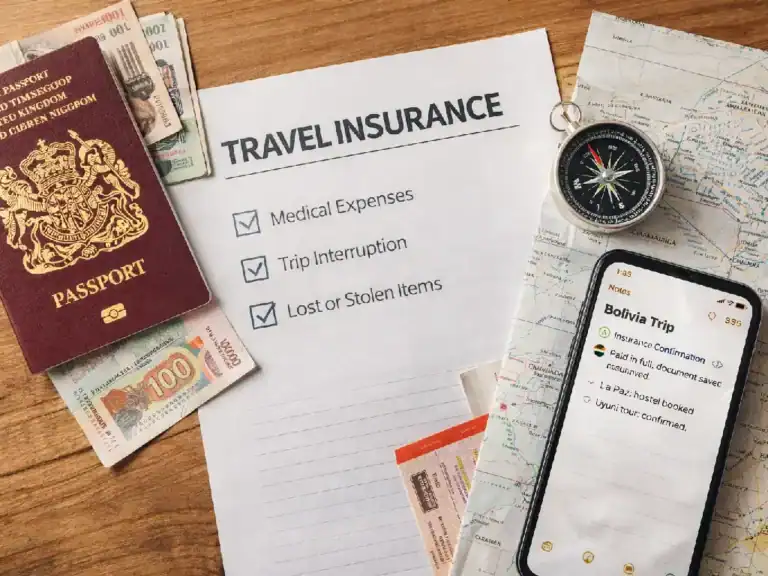
What Payment Methods Work Best in Bolivia? Cash, Cards & What I Actually Used
If you’re heading to Bolivia, one of the first slightly boring but very real questions you’ll ask yourself is: how do I actually pay for stuff once I’m there? Cash? Cards? A hopeful tap of the phone that definitely won’t work?
Short answer: Bolivia isn’t difficult, but it does play by its own rules. Some places will happily take a card. Others will look at it like you’ve just tried to pay with Monopoly money. And yes, there will be moments where cash quietly saves the day.
This guide breaks down which Bolivia payment methods work best, where cards are useful, where they’re pointless & what I actually relied on day to day so you don’t have to learn it the slow way. I’ve travelled around Bolivia using a mix of cash, debit cards & the occasional optimistic card swipe – sometimes with success, sometimes with a mild sigh from the person behind the counter.
Let’s get into it – before you’re stood at an ATM in the Altiplano at 2am trying to get everything figured out.
The Short Answer: How You’ll Actually Pay in Bolivia
If you want the no-nonsense version, here it is.
Bolivia is still very much a cash-first country. Cards do work, but not in the carefree, tap-and-go way you might be used to elsewhere. You’ll use cash most days, especially for everyday stuff like food, buses, markets, small hotels & basically anything that doesn’t look even vaguely corporate.
Cards come into play in more predictable places – larger hotels, some tour agencies, nicer restaurants in cities like La Paz or Santa Cruz. Even then, it’s not guaranteed. Sometimes the machine’s down. Sometimes the internet’s having a moment. Sometimes the person behind the counter just shrugs and points at the nearest ATM.
ATMs, for better or worse, are the real backbone of paying in Bolivia. That’s how most travellers end up getting cash once they’re in the country. They’re common in cities, thinner on the ground in smaller towns & occasionally temperamental enough to test your patience.
So the setup that actually works looks something like this:
- Cash for daily life
- A debit card for ATMs
- A card backup in case something stops cooperating
Nothing clever. Nothing fancy. Just enough flexibility so you’re not stuck explaining to a taxi driver why Apple Pay should work like legal tender.
If you go in expecting Bolivia to work like Europe, you’ll be mildly annoyed. If you expect cash to quietly save the day most of the time, you’ll be absolutely fine!
Cash in Bolivia – Still King, Like It or Not
For all the talk of cards and apps, cash is still the main payment method in Bolivia. You’ll use it most days, especially for normal travel stuff – meals, buses, markets, taxis, small hotels, entry tickets. Once you accept that early on, everything gets easier.
Cards are handy sometimes. Cash is what actually keeps things moving.
Should You Bring Cash to Bolivia or Withdraw It There?
Most travellers rely on ATMs once they’re in the country, especially in cities like La Paz or Santa Cruz where machines are easy enough to find. That works fine – until you head somewhere smaller.
In smaller towns or more remote places, ATMs can be limited, out of order, or missing entirely. That’s when people run into trouble. The simple rule is this:
Take cash out before you leave bigger cities, not after you arrive somewhere quiet.
Bringing a small amount of cash with you as a backup isn’t a bad idea, but you don’t need to arrive loaded. Just don’t let your balance hit zero at the wrong moment.
What Currency Is Best to Take to Bolivia?
Inside Bolivia, everything runs on bolivianos. That’s the currency you’ll use day to day.
US dollars can be exchanged at banks or casas de cambio, but they’re not something you’ll be spending casually. You won’t be paying for lunch or a bus ticket in dollars & damaged notes can be refused outright.
Once you’ve got bolivianos, make sure you’ve got small notes. They’re far more useful than large bills for everyday payments.
Do You Tip in Bolivia?
Tipping isn’t mandatory in Bolivia, which is refreshing, but it is appreciated in certain situations – restaurants, tours, guides & drivers who’ve been genuinely helpful.
Rounding up the bill or leaving a small amount is more than enough. Having cash on hand makes this feel natural rather than awkward.
Using Cards in Bolivia – When They Work & When They Don’t
Cards do work in Bolivia. Just not everywhere & not always when you expect them to.
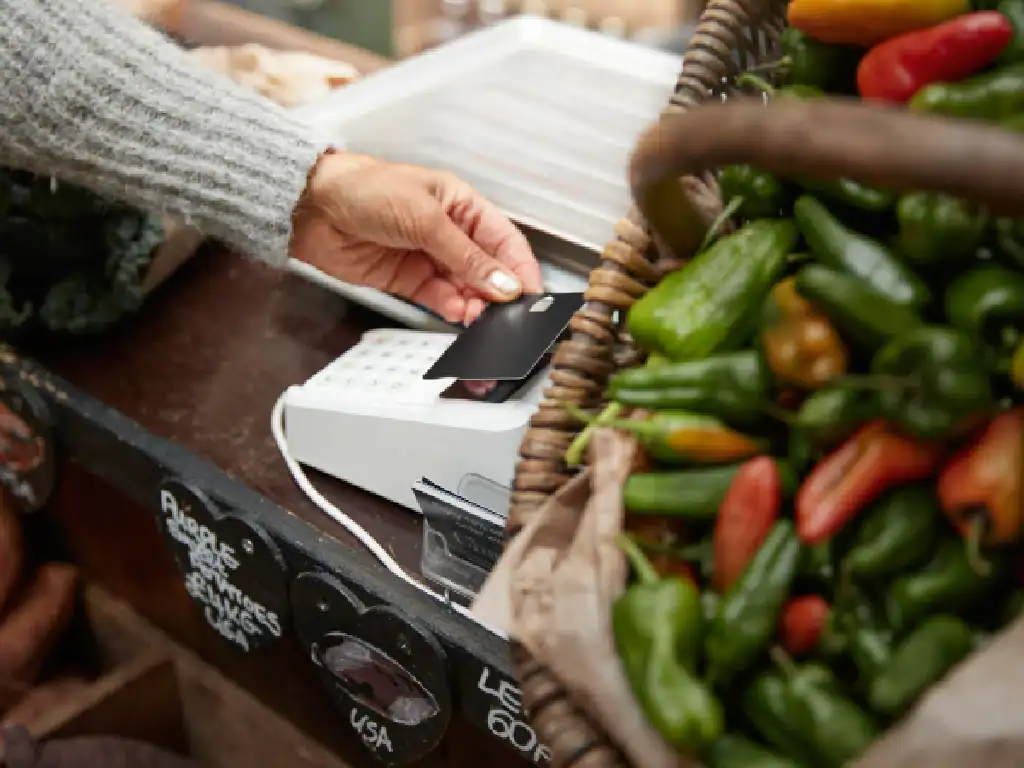
In general, card payments are limited to places that already feel a bit more set up for tourists or business travellers – larger hotels, tour agencies, supermarkets & nicer restaurants in bigger cities. Outside of that bubble, cash quickly takes over again.
Even in places that accept cards, it’s not unusual for the machine to be “not working today”, the internet to be down, or for staff to quietly steer you towards the nearest ATM instead. None of this is unusual – it’s just part of how things operate.
Are Credit Cards Widely Accepted in Bolivia?
Not really, at least not in the way most people mean when they ask that.
Credit cards are accepted in some places, mostly in cities like La Paz or Santa Cruz, but they’re far from universal. Smaller towns, family-run places, markets & everyday services almost always deal in cash only.
When cards are accepted, Visa and Mastercard are far more common than anything else. American Express, in particular, is hit or miss at best.
Debit Cards vs Credit Cards – Which Is Better?
For most travellers, debit cards are more useful than credit cards in Bolivia.
That’s mainly because ATMs matter more than card machines. A debit card that works reliably at ATMs is far more valuable than a credit card that only works occasionally at a restaurant. As an Englishman I’m loaded up with Revolut, Monzo & even Starling to see me through comfortably, you never know when one could get lost or the little man who lives in the ATM is feeling particularly selective.
Credit cards still have their place – hotels, tours, the odd larger (not lager for any alcoholics reading) expense – but they’re better seen as a backup rather than your main payment method.
Is Contactless Payment Common in Bolivia?
Contactless exists, but it’s patchy.
You might see it in newer cafés or supermarkets in bigger cities, but it’s not something you should rely on. Mobile payments and phone-based tapping aren’t part of everyday life here yet.
If your plan depends on tapping your phone, you’ll probably end up frustrated fairly quickly.

ATMs in Bolivia – Fees, Reliability & What to Expect
If cash is king in Bolivia, then ATMs are the slightly temperamental gatekeepers.
Most travellers end up relying on ATMs to access money, especially if you’re moving around rather than sitting in one city. They’re generally easy enough to find in bigger places, but they’re not something you want to take for granted everywhere.
Are ATMs Easy to Find in Bolivia?
In major cities like La Paz, Santa Cruz & Cochabamba, ATMs are everywhere. You’ll usually find them outside banks, in shopping centres & dotted around central areas. I always bang on about Maps.me on this blog, but this is great for just putting in ATM and finding the nearest one (has made me go to some pretty creative places too for the extra special hidden ones), Google/ Apple Maps also work ok for this too.
Once you move into smaller towns or more tourist-heavy but less developed places, things change. You might find:
- One ATM serving the entire town
- An ATM that’s out of cash
- An ATM that exists purely for decoration
Places like Copacabana are a good example. There are ATMs, but if they’re not working when you arrive, you don’t have many backup options. That’s why it pays to withdraw cash before heading anywhere quieter.
ATM Fees in Bolivia (And Why They Add Up Fast)
ATM fees in Bolivia can catch people out.
Most Bolivian banks charge a local withdrawal fee & your own bank may add a foreign transaction fee on top. Withdraw small amounts repeatedly and it starts to sting.
The easiest way to soften the blow is:
- Withdraw larger amounts less often
- Know your bank’s overseas fees before you arrive
- Don’t panic if the first machine says no – try another
Fees vary by bank and machine, so there’s no single “correct” amount. It’s annoying, but manageable once you expect it.
Which ATMs Tend to Work Best for Foreign Cards?
There’s no guaranteed winner here & anyone who claims otherwise is lying slightly.
Some ATMs work better with foreign cards than others, but it can change. What works one day might refuse your card the next. The safest approach is:
- Try more than one machine
- Stick to ATMs attached to actual banks where possible
- Avoid relying on a single card
This is another reason a backup card is worth carrying, even if you rarely use it.
Mobile Payments, Apps & Online Options
Mobile payment apps exist in theory, but for travellers they’re mostly irrelevant day to day. Cash and cards still do the heavy lifting.
Can You Use Revolut in Bolivia?
Yes – mainly for ATMs.
Revolut works much like any other debit card in Bolivia. If the ATM accepts foreign cards, Revolut usually works fine. It doesn’t unlock any special payment options though & it won’t replace cash.
Think of it as a solid ATM card, not a magic travel solution.
Does Bolivia Use PayPal or Cash Apps?
Not in any practical way for travellers.
Apps like PayPal, Cash App, Venmo, or Zelle aren’t used for everyday payments in Bolivia. You won’t be paying for food, transport, or accommodation with them & most places won’t even recognise the names.
If your plan relies on app-based payments, it’s best adjusted early.
Cash vs Card in Bolivia – What I’d Recommend
After a bit of trial, error & the occasional declined transaction, this is the setup that worked best for me in Bolivia.
Cash did most of the heavy lifting. Cards helped occasionally. ATMs were the real middleman holding it all together.
If you want the low-stress version, aim for this:
- Carry cash for daily spending – food, transport, markets, small hotels
- Use a debit card you trust for ATMs, not tiny withdrawals every day
- Keep a second card as backup, even if it lives in your bag most of the time
That combination covers almost every situation without overthinking it.
Cards are useful in Bolivia, just not dependable enough to be your only plan. Mobile payments and apps sound modern, but they don’t solve real problems on the ground. Cash still wins quietly, especially once you leave the bigger cities.
If your card is declined, don’t panic. Try another ATM, switch cards, or fall back on cash. It’s rarely a disaster – just a reminder to stay flexible.
Bolivia isn’t awkward to pay in. It just rewards a bit of preparation (like seeing if you can drink the tap water instead of turning up and risking it for the biscuit). Go in with a lot less optimism about contactless and you’ll be on your merry way!
Get that balance right & money becomes one of the least stressful parts of travelling here.
Happy travels!