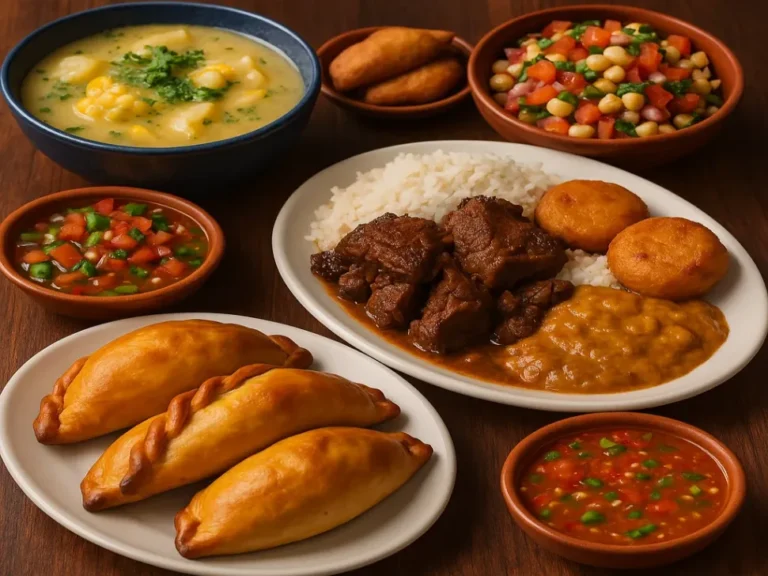
Can You Get By Without Spanish in Bolivia? Here’s the Truth
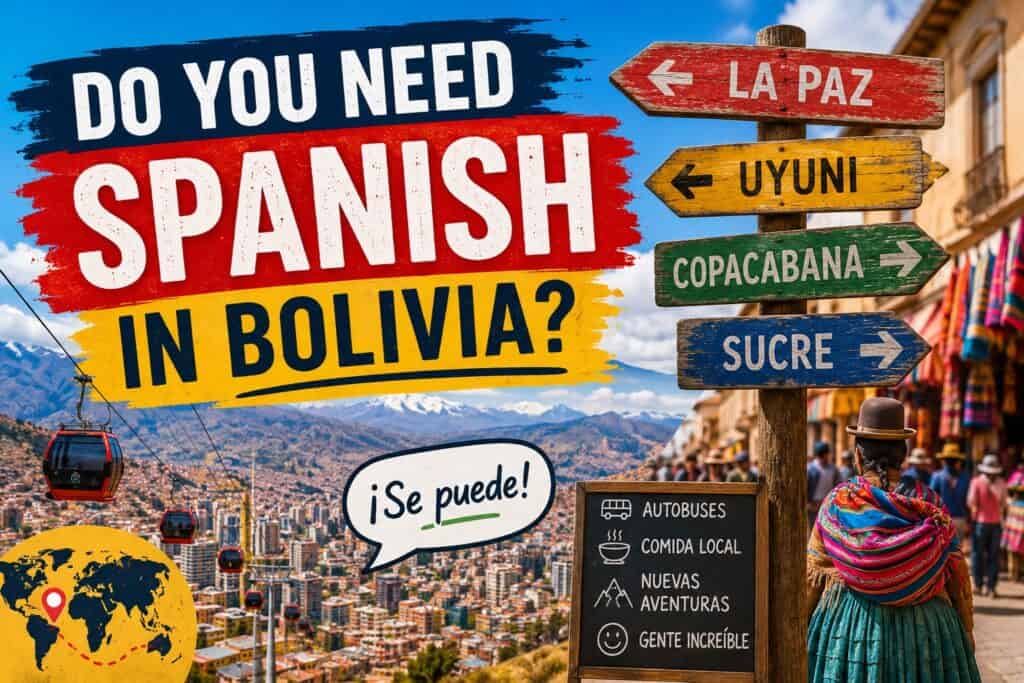
You don’t really need Spanish to travel around Bolivia. Plenty of people arrive with almost none and still get through it fine. Some people pick up a few words along the way. Nothing major, just bits here and there. Even that tends to help more than you’d think.
You can still get around without much Spanish, especially if you stick to the usual routes or join a tour now and then. That part is usually fine. It’s more the in-between moments. Conversations don’t always land properly, or not straight away. You miss small details. Sometimes you’re guessing a bit and hoping it lines up.
How easy it feels changes a bit depending on how you travel. If you’re doing everything yourself, especially in smaller places, the language gap shows up more. Keep things simple though, and it generally works out ok. Language as a topic also comes up a fair amount in the full guide to exploring Bolivia!
What Language Do People Speak in Bolivia?
Spanish is what you’ll hear most of the time. Cities, transport, shops, that’s what things run on in most day-to-day situations. But it’s not completely straightforward either. Bolivia is more mixed than it first looks when it comes to language.
There are quite a few indigenous languages still used daily. In some areas, they’re just as present as Spanish. So depending on where you are, communication can feel slightly different.
Is Spanish The Main Language In Bolivia?
Yes, Spanish is the main one. It covers most things you’ll need, shops, buses, hotels, basic interactions.
But it’s not identical everywhere. In smaller towns or more rural areas, Spanish isn’t always the first language people grow up with.
A lot of people speak something else first, then Spanish after. Because of that, conversations don’t always feel clear straight away, or not fully at least. Even if you know some Spanish yourself, it can take a second to click.
Are There Other Languages Spoken in Bolivia?
Yes, more than most people expect. Quechua and Aymara come up the most, especially once you’re outside the bigger cities. You won’t need to speak to them as a traveller. But they’re still part of daily life in many places.
In some areas, Spanish isn’t the only language being used. That’s why conversations can feel a bit slower, or not quite as direct.
Is English Spoken in Bolivia?
English isn’t that common in Bolivia. You’ll hear it now and then, but not often enough to depend on. Most day-to-day interactions still happen in Spanish, and that tends to stay the same wherever you go.
Where You Might Find English Speakers
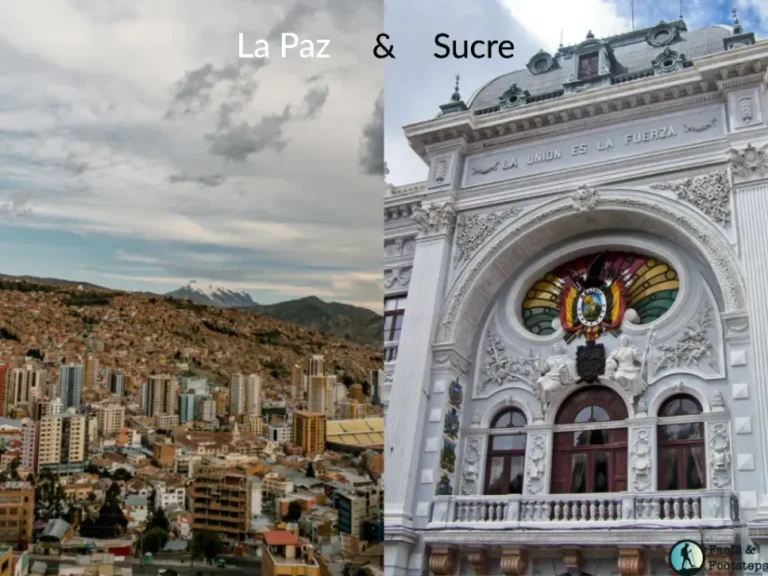
In cities like La Paz or Sucre, you’ll usually find some English in hotels, hostels, and tour offices. People working there are used to travelers, so things tend to be manageable. Tours are another place where English shows up more. Especially in popular areas.
Where English is Very Limited
Outside of that, it drops off pretty quickly. Bus stations, smaller restaurants, markets, English isn’t common there. Even when someone speaks a bit, it’s often quite basic. You understand the general idea, but not always everything.
How Easy Is It to Get Around Bolivia Without Spanish?
Getting around without Spanish is possible. It just takes a bit more effort than you might expect. Things aren’t always clearly organised. Information isn’t always easy to find either. You can still move between places, just not always smoothly.
Public Transport and Buses
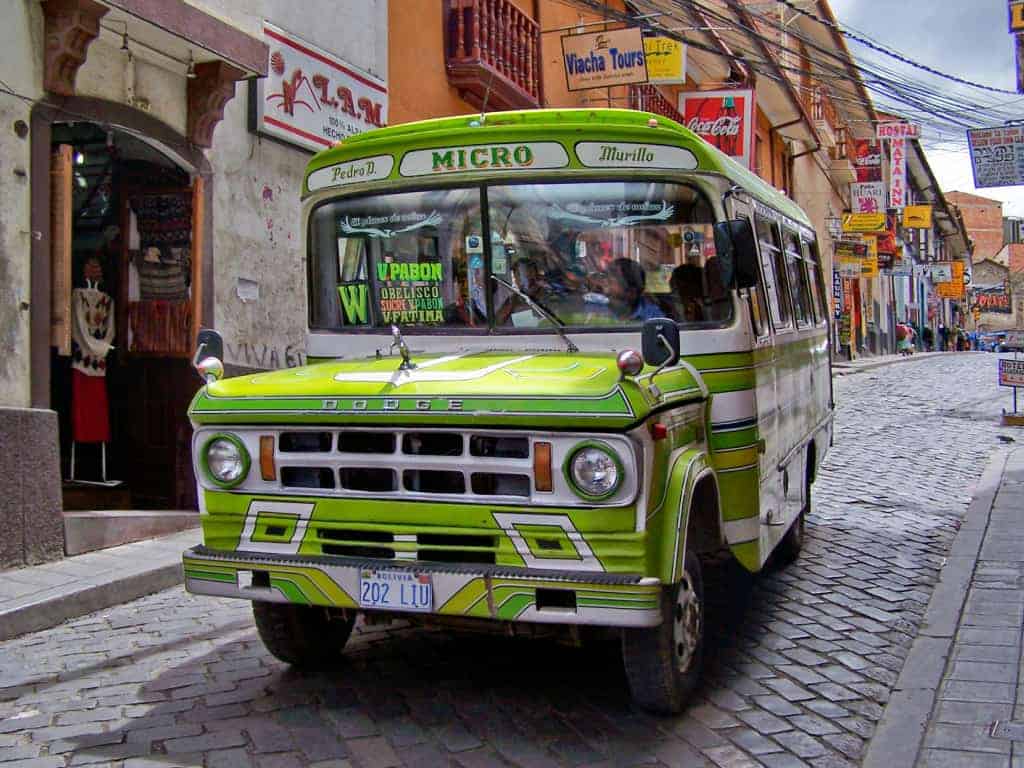
Buses are the main way to travel longer distances. You can usually book tickets in person, though without Spanish it can take a bit of trial and error.
Schedules aren’t always clear. Things change, sometimes without much notice. You end up watching what others are doing, then following along.
It works. Just not in a clean or predictable way, not always anyway. Long-distance travel can feel a bit chaotic at first, especially if you’re relying mostly on buses and shared transport between cities.
Taxis and Local Transport
Taxis are easy enough to find, but communication can be uneven. Explaining where you’re going might take a moment. I like to get where I’m going on a map and just point like a 4 year old – has a surprisingly high success rate!
Using a map or saved location helps. Once you’re on the way, it’s usually fine. Agreeing on a price beforehand can feel slightly awkward though, and bartering is very common practice.
Tours vs Independent Travel
This is where things shift a bit. On tours, the language barrier mostly disappears. Everything gets explained, & logistics are handled.
Travelling independently feels looser. There’s more uncertainty, more small things to figure out. Still doable, just not as straightforward. That style of travel is usually cheaper too, although costs can still vary more than people expect across different parts of Bolivia.
Common Situations Where Language Becomes an Issue
There are a few everyday situations where not speaking Spanish stands out more. Nothing major, but you notice it.
Ordering Food and Restaurants
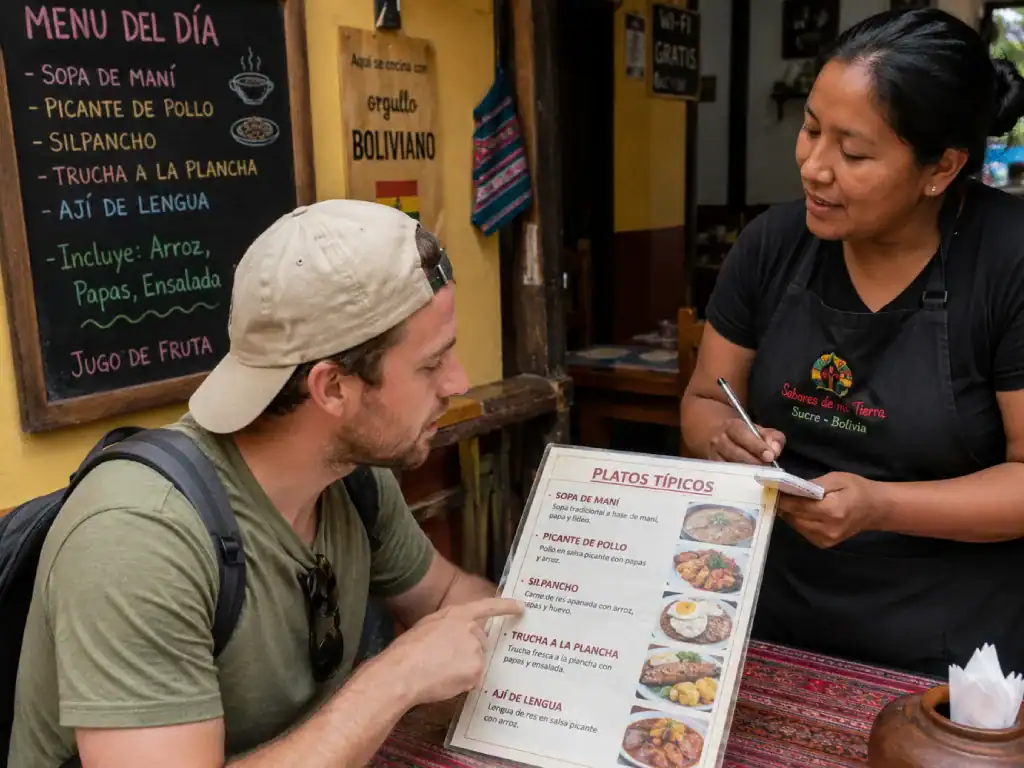
Menus are often only in Spanish. Sometimes there isn’t a written menu at all. You can usually work things out, but asking about ingredients or specifics is harder. Most people just keep it simple. I travelled with a German guy with a gluten intolerance – & that was interesting to watch, he handled it awesomely every time though!
Accommodation and Check-ins
Basic communication in hotels or hostels is usually fine. Staff are used to travellers, so simple exchanges work. More detailed questions can take a bit longer to get across.
Emergencies Or Unexpected Situations
This is where language matters more. It also helps to know the kinds of situations travellers commonly run into before moving around the country independently. If something goes wrong, not speaking Spanish can make things feel more stressful. You’ll still get help, just not always quickly or clearly at first.
Tips for Travelling Bolivia Without Speaking Spanish
You don’t need to be fluent. A few small things make a noticeable difference.
Learn A Few Key Spanish Phrases
Basic phrases help more than you’d expect. Asking about prices, directions, or times becomes easier straight away. You don’t need perfect pronunciation. Just trying usually helps.
- ¿Cuánto cuesta? (kwan-toh KWEHS-tah) – How much does it cost?
- ¿Dónde está…? (don-DAY sta) – Where is…?
- ¿A qué hora sale? (ah-keh OR-ah SAH-leh) – What time does it leave?
- Uno / Dos / Tres – One / Two / Three (go up to 10 for this one as an absolute minimum, & remember the legendary bird pokemon to start with)
- Gracias / Por favor – Thank you / Please
Most of the time, a few words plus gestures are enough.
Use Offline Translation Apps
Having mobile data makes a big difference, especially when you need maps, translations, or last-minute transport information on the move.
Translation apps can help with simple conversations, especially if you download them offline. They’re useful for menus or written information, even if they’re not perfect. Google translate offline is a lifesaver as even with simcards there will be areas without satellite signal.
Keep Things Simple
Short, clear communication works best. Pointing, using numbers, keeping things basic, that usually gets the message across. It’s not perfect, but it works.
Book Tours When Needed
For more complex trips or remote areas, tours remove a lot of the language stress. You still get the experience, just with fewer things to figure out.
Do You Need Spanish in Bolivia as a First-Time Visitor?
For a first trip, travelling without Spanish can feel a bit uncertain at the start. Not difficult exactly, just less clear than you might expect. You might find yourself checking things more often. Bus times, directions, small details can take a moment. A rough route plan helps more than people realise, especially when transport and timings don’t always run exactly as expected.
After a few days though, it settles. You start to get used to how things work, even without understanding everything. It helps to stay flexible. Plans shift, timings aren’t exact, communication can feel loose. Still, things usually fall into place.
After a while, it doesn’t feel as complicated as it did at the beginning.
Is Bolivia Hard to Travel Without Spanish Compared to Other Countries?
Compared to places like Peru or Mexico, Bolivia can feel a bit less accessible. A lot of travellers notice the difference almost immediately once they cross over from Peru, particularly when it comes to transport and tourism infrastructure.
Tourism infrastructure is lighter, and English isn’t as common. That doesn’t make it difficult. Just different.
Compared To More Tourist-Heavy Countries
In more developed destinations, English is easier to rely on. Bolivia doesn’t work quite the same way. You need to be a bit more independent, and flexible with how things go.
Why Bolivia Feels Less “English-Friendly”
Bolivia sees fewer international visitors, so there’s less focus on English overall. Things feel more local. Less adapted, less simplified for tourists.
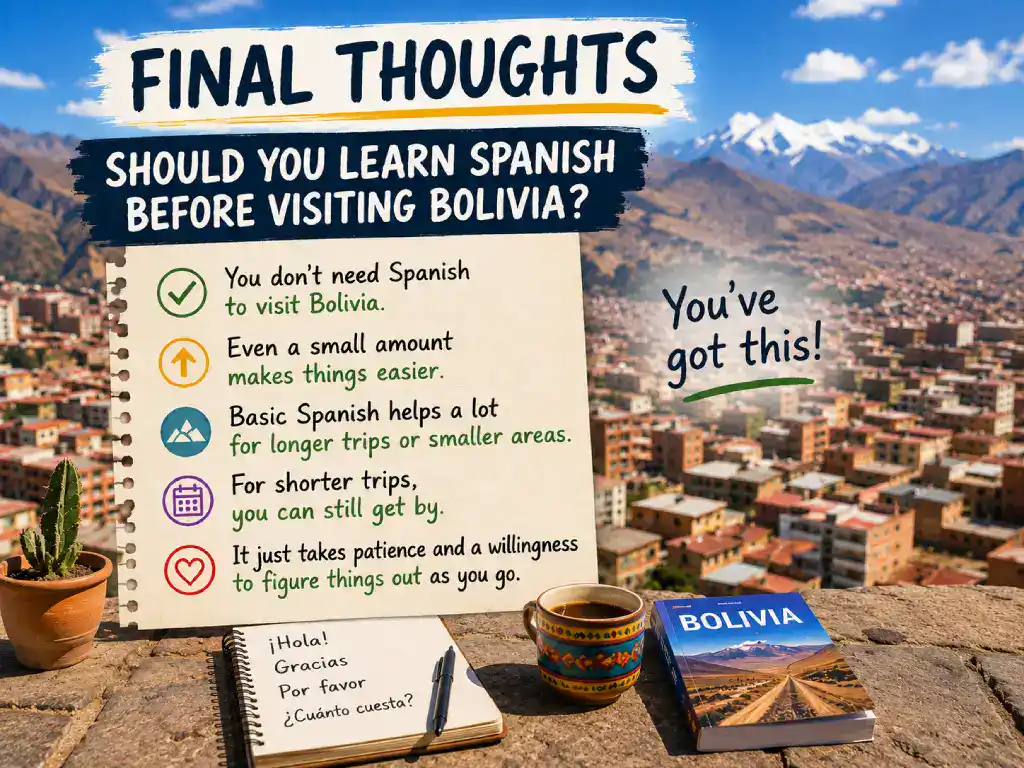
Final Thoughts: Should You Learn Spanish Before Visiting Bolivia?
Sorting out the practical side of the trip beforehand usually removes far more stress than the language barrier itself. You don’t need Spanish to visit Bolivia. But even a small amount makes things easier, more than you might expect. If you’re travelling longer or heading into smaller areas, basic Spanish helps a lot. For shorter trips, you can still get by without it, even if things feel slightly awkward at times.
Bolivia is still very travellable either way. It just takes some patience, and a bit of willingness to figure things out as you go.
Happy Travels!