Is Altitude Sickness Common in Bolivia? What It Actually Feels Like
If you’re planning a trip to Bolivia, altitude sickness is one of those things that tends to loom large before you arrive, then behave very differently once you’re actually there. People warn you about it. Forums make it sound dramatic. Someone inevitably tells you they “felt fine” like that’s meant to be reassuring, especially when for a second you forget your friends double as the world’s maddest lads.
The truth sits somewhere in the middle.
Bolivia is a high-altitude country and yes, altitude sickness in Bolivia is common. That doesn’t mean it’s guaranteed. It doesn’t mean it’ll ruin your trip. And it definitely doesn’t mean you’ll be flat on your back clutching an oxygen can the moment you step off the plane.
I spent time moving around Bolivia at altitude – including places like La Paz & the Altiplano – feeling some effects, adapting to others, & occasionally being reminded that oxygen is quite useful actually. This isn’t a medical breakdown. It’s what altitude sickness really feels like for most travellers, when it shows up, & when it’s more of a background annoyance than a real problem. If you’re still in the planning phase, this fits neatly alongside a broader guide to exploring Bolivia, especially when deciding how fast to move between places.
Let’s start with the bit everyone actually wants answered.
The Short Answer: Yes, It’s Common – But Not Always a Big Deal
Yes, altitude sickness is common in Bolivia, especially if you arrive straight into high places like La Paz, one of Bolivia’s two capitals. Most travellers feel something. Fewer feel anything serious.
For many people, it’s subtle. A light headache. Feeling more out of breath than expected (my main one). Sleeping badly the first night. Walking up a hill & wondering why it suddenly feels like a beastly leg day. Annoying, but manageable.
What catches people out is the speed. You don’t gradually work your way up – you often land at altitude. La Paz’s airport sits higher than most people have ever been in their lives, & your body doesn’t get much warning. That’s why La Paz altitude sickness gets searched so much specifically.
The good news is that for most travellers, these symptoms ease within a day or two. Your body adjusts. You slow down without really thinking about it. The headache fades. Breathing stops feeling like a conscious task. This adjustment period is also why the best time of year to visit Bolivia can make a difference, colder months can make symptoms feel slightly more pronounced.
So yes, altitude sickness in Bolivia is common. Serious altitude sickness is not. Knowing the difference – & knowing what’s normal – makes the whole experience far less stressful.
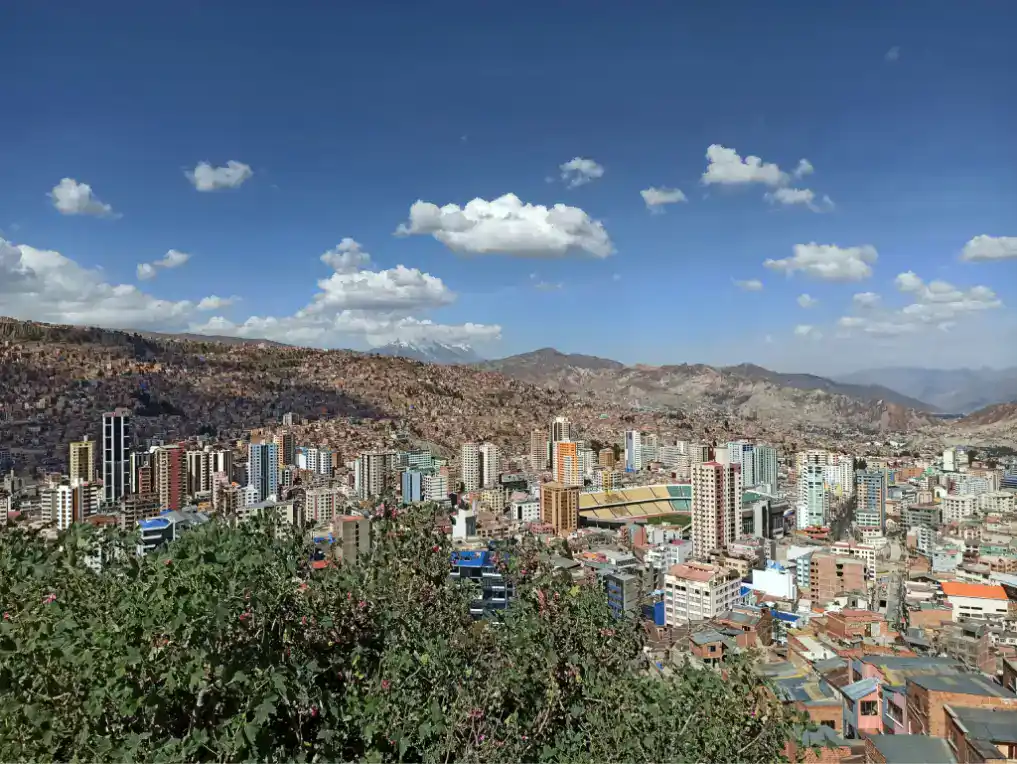
Why Altitude Hits So Hard in Bolivia
Bolivia doesn’t just sit high on a map – it commits to the altitude in a way few other countries do. A lot of the places travellers actually go are already well above 3,000 metres, which is where the body starts to notice the lack of oxygen properly.
What makes Bolivia different is how quickly you’re exposed to it. There’s very little easing in.
Bolivia’s Altitude in Plain English
Bolivia is one of the highest countries in the world on average. Much of the western half of the country sits on the Altiplano, a vast high plateau where towns, cities & everyday life happen at altitudes that would be considered “extreme” elsewhere.
To put it simply, even when you’re not hiking or doing anything adventurous, you’re still living high. That’s why altitude sickness in Bolivia crops up so often – it’s baked into the geography, not just tied to mountains or treks. If you want more context on what life is actually like up there, understanding the Bolivian Altiplano helps explain why altitude affects travellers so consistently.
This catches people out, especially if they’ve travelled elsewhere in South America & felt fine. Bolivia’s altitude is more constant, not something you dip in & out of.
La Paz, El Alto & That First-Day Shock
La Paz deserves its own mention here. Not just because it’s famous for altitude, but because of how people usually arrive.
Most travellers fly into El Alto International Airport, which sits even higher than the city itself. That means you step off the plane at altitude, often after a long journey, slightly dehydrated, sleep-deprived & then expected to function normally. It’s no wonder La Paz altitude sickness gets spammed in Google.
That first day can feel strange. Breathing feels heavier. Simple movements take more effort. Your heart rate spikes doing things that normally wouldn’t register. It doesn’t mean anything’s wrong – that cheat day hasn’t suddenly caught up with you all at once – it’s just your body realising it’s got less oxygen to work with than usual.
This is also why advice to “take it easy on day one” exists. Not because Bolivia is fragile, but because your body needs a bit of time to catch up with where you’ve landed.
What Altitude Sickness Actually Feels Like
This is the bit people struggle to picture before they arrive. Altitude sickness in Bolivia rarely announces itself dramatically. It tends to creep in quietly, then hang around until your body decides it’s had enough of a sulk.
For most travellers, it’s more uncomfortable than alarming.
Common Symptoms Most Travellers Feel
The most common feeling is that everything suddenly takes more effort than it should. Walking uphill feels unfair. Carrying a bag leaves you slightly breathless. Your heart feels like it’s working overtime for reasons you don’t fully understand.
Headaches are common, especially in the first day or two. Not usually blinding, just persistent enough to be annoying. Sleep can be patchy as well – you might wake up more than usual, or feel like you haven’t really slept even when you have.
Some people notice a drop in appetite. Others feel slightly lightheaded if they stand up too quickly. None of this is unusual and none of it means your trip’s about to derail. It’s also worth factoring this in when planning activities like the Death Road bike tour in Bolivia, which can feel significantly harder at altitude.
The key thing is that these symptoms tend to level off, not escalate. That’s how you know your body’s adapting.
What Caught Me Off Guard
What surprised me most wasn’t feeling ill – it was how quickly I got tired doing very normal things. A short walk that would usually barely register suddenly felt like exercise. Climbing stairs became something you consciously prepared for.
There’s also a strange mental side to it. You don’t feel unwell exactly, just a bit slower. Slightly foggy. Like your body’s running on a lower setting for a day or two. Once you expect that and have it frame your thinking somewhat, it’s much easier to roll with.
This is why altitude sickness in Bolivia often feels worse on paper than it does in reality. It’s rarely dramatic. It’s just… noticeable.
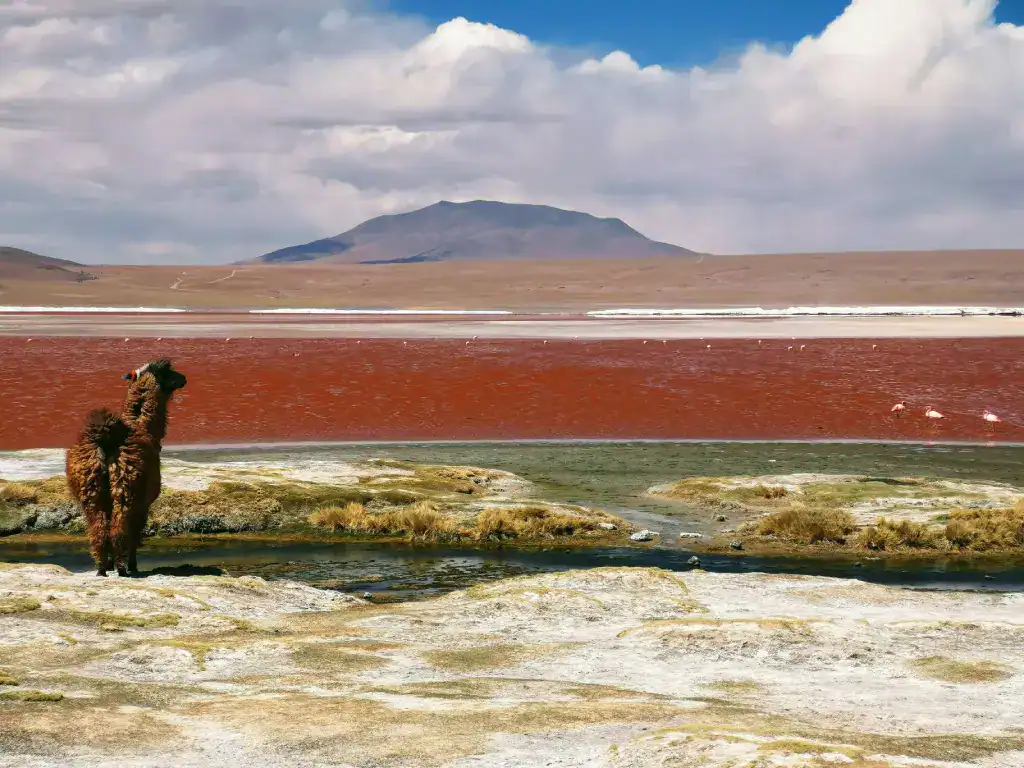
Where Altitude Sickness Is Most Noticeable in Bolivia
One thing that took me a bit by surprise is that altitude sickness in Bolivia doesn’t really care about logic. It’s not just about how high a place is on paper – it’s about how you get there, how fast, & what state you’re in when you arrive.
Some places hit harder simply because they catch you cold.
La Paz & El Alto
This is where most people notice altitude straight away, myself included.
Flying into La Paz usually means landing at El Alto, which is already very high before you’ve even thought about dropping down into the city. You step off the plane, grab your bag, walk ten metres… and suddenly you’re breathing a bit heavier than expected. Not dramatic, just noticeable.
The reassuring part is that this tends to pass. For me, La Paz felt hardest at the start, then gradually faded into the background once I slowed down & gave it a bit of time.
The Altiplano, Uyuni & Other High Places
The Altiplano feels different. It’s just as high – sometimes higher – but it doesn’t hit in the same abrupt way.
Places like Uyuni sit up there quietly, without the shock factor of flying straight in. By the time most people reach them, they’ve already spent a few days adjusting, so altitude sickness is more of a background hum than a punch to the face. Planning your visit to the Bolivia salt flats, and knowing the best time to go can also help reduce physical stress during long days at altitude.
That said, it can creep back in. Long days on salt flats tours, cold mornings, not drinking enough water, early starts – all of that can bring back a mild headache or that slightly drained feeling, even if you thought you were past it.
That’s been my experience at least. Altitude sickness in Bolivia isn’t always a straight line. It fades, flares, then settles again depending on how you’re travelling.
What Helps With Altitude Sickness (And What Doesn’t)
Once altitude sickness in Bolivia makes itself known, the instinct is to fix it. Pills, gadgets, dramatic solutions. In reality, the things that help most are boring, slow & a bit unglamorous.
Annoyingly, they also work.
Things That Genuinely Help
The biggest one is simply going slower than you think you need to. That applies to walking, sightseeing, even how much you try to cram into day one. Bolivia rewards patience more than enthusiasm.
Staying hydrated helps more than people expect. Altitude dries you out quietly, especially if you’re moving around a lot or forgetting to drink because it’s cold. Eating lightly at first also makes a difference – heavy meals can feel like a chore when your body’s already adjusting.
Coca tea is everywhere and while it’s not magic, it does seem to take the edge off for a lot of travellers. At the very least, it encourages you to sit down, slow things up & drink something warm, which probably helps more than we give it credit for.
Most importantly, time does its thing. For many people, that’s the real solution.
Things People Swear By (Results Vary…)
You’ll hear all sorts of suggestions – altitude pills, oxygen cans, pushing through it “to acclimatise faster”. Some people swear by them. Others notice very little difference.
Personally, the biggest improvements I felt came from resting, drinking water & not pretending I was invincible. Oxygen cans might give a short-term lift, but they don’t replace acclimatisation. And forcing yourself to power through symptoms often just makes things drag on longer.
Altitude sickness in Bolivia isn’t something you conquer with willpower. It’s something you adapt to, usually by doing less than you planned for a day or two.
When Altitude Sickness Is Worth Taking Seriously (And When It Isn’t)
Most of the time, altitude sickness in Bolivia is uncomfortable rather than dangerous. Headaches, breathlessness, feeling wiped out – all normal, especially in the first couple of days. The key difference is whether things improve or quietly get worse.
If symptoms ease with rest, hydration & a slower pace, that’s your body doing what it’s meant to do. If they don’t – or if they escalate – that’s when altitude stops being a background nuisance & deserves attention.
Things worth taking seriously include persistent headaches that won’t shift, nausea that doesn’t settle, dizziness that makes it hard to stand or walk properly, or symptoms that feel worse after a day or two rather than better. That’s not the moment to push on or “see how it goes”. Resting, descending slightly, or getting medical advice is the sensible move. Having Bolivia travel insurance in place also gives peace of mind if you need to change plans or seek medical help.
For planning purposes, altitude sickness isn’t a reason to avoid Bolivia. It is a reason to pace yourself. Build in lighter days at the start, don’t stack long travel days back to back, & give your body a chance to catch up with where you’ve taken it.
You’ll feel the altitude in Bolivia – almost everyone does. Most people adapt, carry on, & forget about it entirely a few days later. Respect it, don’t fight it, & it becomes just another part of the experience rather than the thing that defines it.
Happy Travels!